 (EN)
(EN)
 (ES)
(ES)
 (IT)
(IT)

Two Tough Guys Who Found God: Tattoos, the Gym, and the Courageousest Rebellion
Javier Portela and Bruno Toral, former church-burners and bodybuilders, share on the Rebeldes Podcast how their encounter with Christ transformed their violence, existential emptiness, and body worship into a life of praise, discipline, and radical surrender
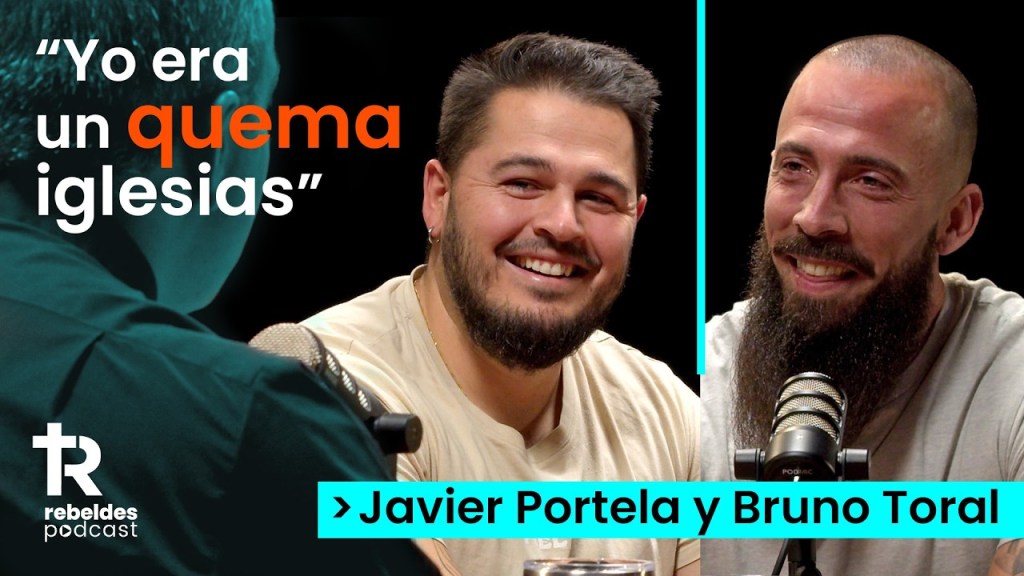

In a world that rewards instant comfort, instant gratification, and the cult of image, there are those who choose the opposite path: to be authentically rebellious. Not against society for the sake of appearances, but against inner laziness, unchecked ego, and the sin that enslaves. That is precisely what Javier Portela and Bruno Toral, two imposing men—tattoos, beards, earrings, gym-honed physiques—defend. They were recently guests on a Catholic priest’s podcast, Rebeldes .
Many might have thought the encounter would be a clash of titans: “two tough guys against a priest.” However, the conversation revolved around the most sought-after and most important topic of human existence: God .
Authentic rebellion: welcoming Jesus into a world of photocopies
For Javier, being rebellious today means precisely the opposite of what the dominant culture promotes: embracing Jesus and living radically in accordance with what God wants to do in oneself. “We are all born originals and die as photocopies,” he reminds us, quoting Carlo Acutis. Therefore, allowing oneself to be molded by the Gospel, which touches every dimension of life (what you see, read, and hear), is the greatest possible act of rebellion.
Bruno sums it up with a powerful statement: “Being Christian, Catholic, and true to yourself is the bravest thing you can do today.” In a society of peer pressure and fear of deviating from the script, Christian authenticity becomes the true challenge.
Tattoos: sin or discernment?
One of the most frequently asked questions on social media to the priest was: Is getting a tattoo a sin? Javier and Bruno’s answer is clear: not in itself. The Church has not explicitly prohibited it, and the famous verse from Leviticus 19:28 must be read in its historical context (idolatrous practices of the people of Israel). The important thing is discernment .
- What should I get tattooed? (Is it edifying or demonic/irreverent?)
- Where? (privacy vs. visibility)
- With what intention?
- How many? (moderation vs. excess)
They both agree: tattoos can be a means of evangelization and a permanent reminder of the faith (Javier’s Lion of Judah with a resurrected cross, the hands of their children, or the entire back covered with scenes of Christ and Mary that Bruno is getting). But they also acknowledge past mistakes: “stupid” teenage tattoos that some regret and plan to remove.
The gym as a means, not as an end
Another key theme: body care. Both go to the gym daily (Javier combines weight training with Muay Thai; Bruno owns a gym and is a former bodybuilder). However, they insist that sport should be a means , not an end.
- To have more energy and overcome laziness (“my ass is heavy”)
- To better serve God and others
- To be healthy and able to enjoy children and (hopefully) grandchildren
- To train strength and the fight against oneself
The red line is drawn when the gym becomes a cult of the body, driven by vanity or unhealthy self-imposed pressure. Bruno lived through that extreme phase (everything revolved around training and aesthetics) and acknowledges that it was psychologically unhealthy. Today, he seeks health and longevity, not breaking personal records at the expense of his joints.
From emptiness to encounter: the conversions
Javier came from a Catholic family, but he carried a great deal of inner turmoil (his knuckles were constantly bleeding). A gesture from his then-girlfriend (now wife)—kissing each of his wounded knuckles—caused a profound healing. Years later, a conversation that restored his hope in the new evangelization triggered a radical encounter with Christ: tremors, an inner fervor, a physical need to compose for God. He quit his job and in a week composed an entire album of praise songs that is now sung in several countries.
Bruno, for his part, grew up in an atheist environment and even forbade his children from speaking about God. He had “everything”: thriving businesses, an exceptional wife, wonderful children… and yet he wasn’t happy. The question “Why not me?” led him to baptize his children and, little by little, to open himself to faith. Worship in community was the turning point: seeing people happy despite overwhelming hardships made him long for the same.
Praise: the most powerful weapon
Both agree that prayer of praise is transformative. It’s not just singing: it’s a Christ-centered prayer that puts God at the center, denies self, and generates peace, joy, and hope even in suffering. Javier discovered it as a liberation; Bruno, being very dynamic and not one for stillness, found his “perfect Sunday” in Sunday praise.
Final message
Today, Javier and Bruno are rebels with a cause: rebels against spiritual laziness, against self-worship, against conformity. They live with discipline (gym, prayer, sacraments), but knowing that it is God’s grace that truly transforms. As the host priest summarizes: “God loves you and wants you to be happy.” Not a superficial happiness, but that deep joy that springs from knowing oneself to be loved and from surrendering oneself out of love.
Because, in the end, the bravest rebellion is not having tattoos or lifting weights: it is daring to be an authentic Catholic in the 21st century.

Se Buscan Rebeldes
“Se Buscan Rebeldes” es un canal de evangelización católico que busca saciar la sed que tienes de felicidad y responder a tus preguntas con el poder transformador del amor de Dios revelado en Jesucristo.
Related
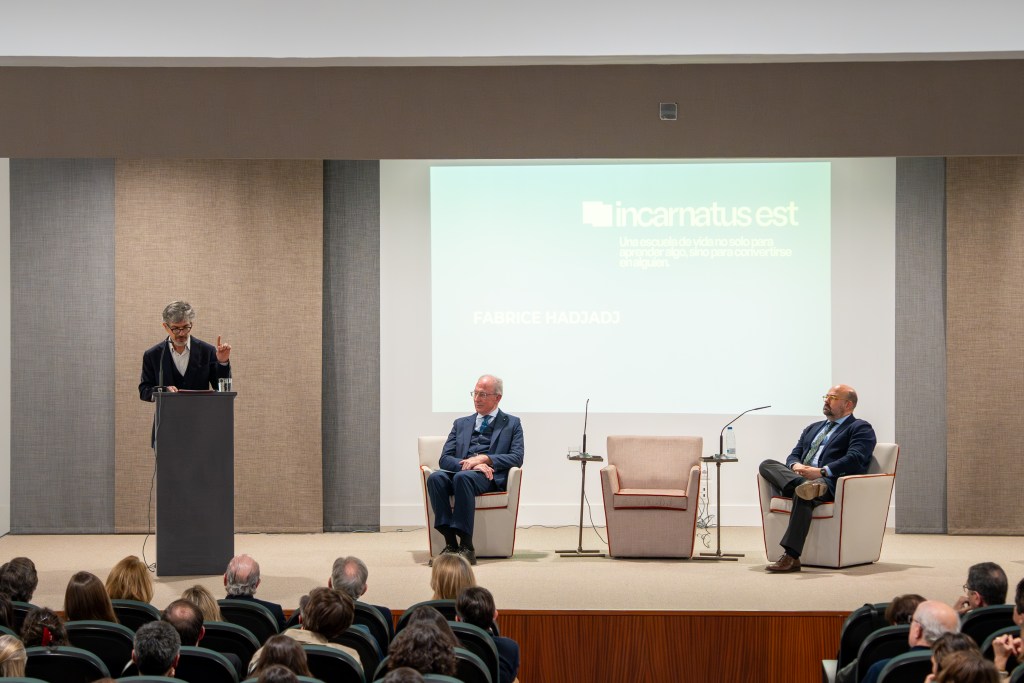
Incarnatus Est: A New Horizon for the Holistic Formation of Young People
Exaudi Staff
19 February, 2026
3 min
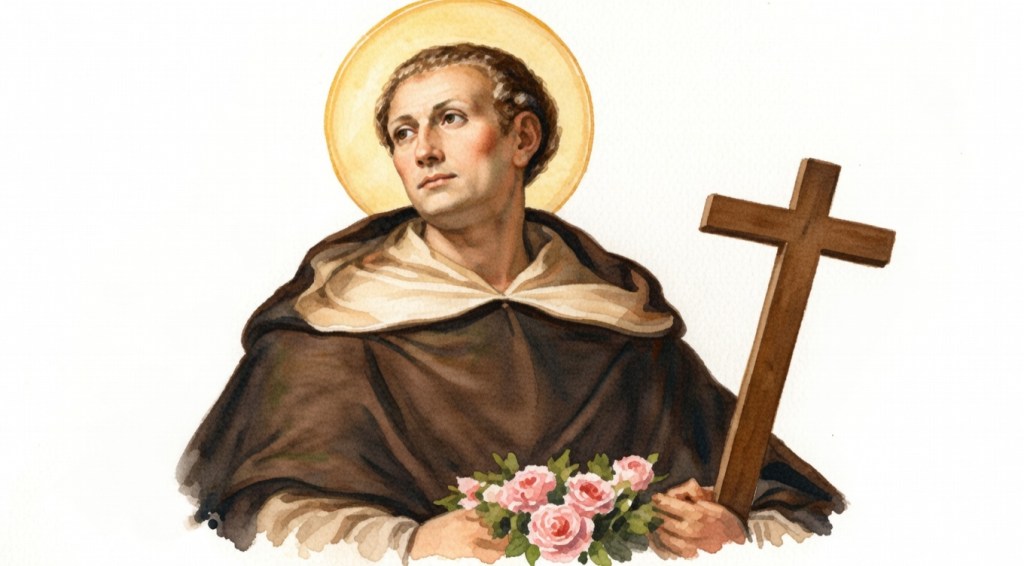
Blessed Álvaro of Córdoba, February 19
Exaudi Staff
19 February, 2026
2 min

The Sacred Rite of Confirmation
Miguel Morales Gabriel
19 February, 2026
1 min
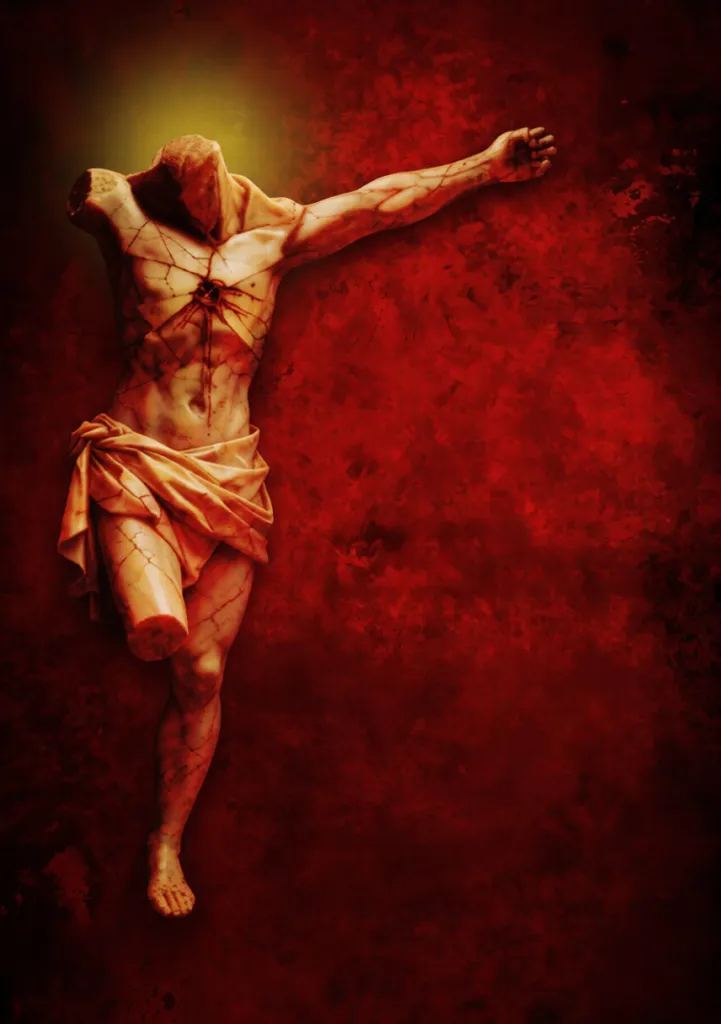
The Christ who doesn’t take away the pain… but accompanies it and transforms you forever
Exaudi Staff
18 February, 2026
3 min