(EN)
(EN)
 (ES)
(ES)
 (IT)
(IT)

A Paused Gaze
May we be able to see and be seen as God sees us!


Do you remember the last time someone looked you in the eyes without their gaze sliding down your face?
We are so closed off from ourselves that even that gaze can feel like an invasion of personal space. However, it is the only dignified way to be seen as a person: without awkward questions, without intrusion, with modesty and respect. With approval and acceptance.
When we focus on what matters, clarity—transparency—helps us find our bearings. The superfluous and extraneous disappear, and the individual, in their uniqueness, looms large, allowing us to connect with what is truly vital. It is a moment to pause, to stop, to reconnect with the essence that unites us and allows us to understand one another. We must rediscover our capacity to “pause” the speed that blurs our own and others’ contours.
To direct our activity from the sublime, so that it does not turn bridges into walls, those walls that the imagination raises in the midst of digital “voracity”.
Attention is a language we all understand. It’s a free act that connects us to others and defines us. When someone is in a hospital bed, they discover that the world keeps turning without them, and any visit is appreciated and, in that context, never forgotten. Everything has its gradations: a text message, a WhatsApp, an audio message, a call, a visit, an afternoon, an evening… remembering a date, sending a message, being there requires affection—which can be directed—to focus attention on the one who needs it.
Attention is detachment, it is a decision that emerges in silence, which is not loneliness, but the result of an inner “Zoom”.
What does it mean to pause and look in an era full of multiple distractions?
Attention is a form of presence, a form of recognition towards that or whom we look at.
We must overcome the digital “grasshopper” reflex: that constant, relentless flurry that pulls us in and doesn’t allow us to stop. We fear losing something if we don’t keep scrolling, but what we truly lose is the ability to “be present.” Thus, we scroll rapidly, fragmenting our attention, becoming dizzy in a sea of misinformation that scatters and distracts us. There, attention dies. And, without the attention of God, made present to us in others, we die of starvation.
The saturation of stimuli pushes us outward, and inner silence loses its clarity, obscuring our purpose and plunging us into a torrent of sounds and colors, movements and sensations that engulf us and only satiate the voracious appetite of consumption. It’s a relentless cycle that demands more each day and empties us, until we forget the way back. The protagonist of “The Never-ending Story” discovers this in time.
What can we do?
These are our times. And they are the best for us because we have no others. Therefore, we must dance to the music that is playing, but that requires knowing how to keep the rhythm, and knowing why, what for, and with whom we can dance…
In the dynamics that life presents us, it’s important to “take a step back” to focus, neither so far away that the object becomes blurred and confusing, nor so close that we lose the necessary objectivity. The same applies to people: attention is about dignity, appreciation, and value, not an emotional outburst born of unmet needs. It requires maturity to avoid making demands or creating dependencies, the kind that only a specialist can address.
Addictions are voracious. They consume and are consumed by others. They are fragile to stimulation and create addiction.
Reality, which requires careful attention to uncover the truth it holds, is replaced by an imagination that conjures up consumable phantoms. Addiction doesn’t need attention! It behaves like a virus within us, multiplying and distancing us from truth and happiness.
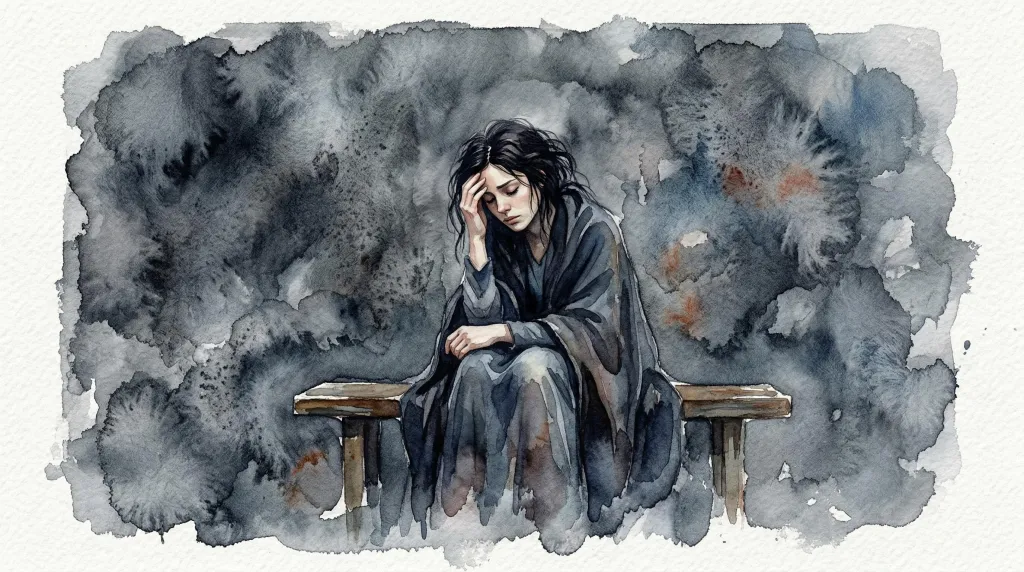
Lack of attention breeds violence
Empathy, like respect, is based on caring for others; when this disappears, violence increases. Examples that spread virally include bullying, mobbing, and burnout.
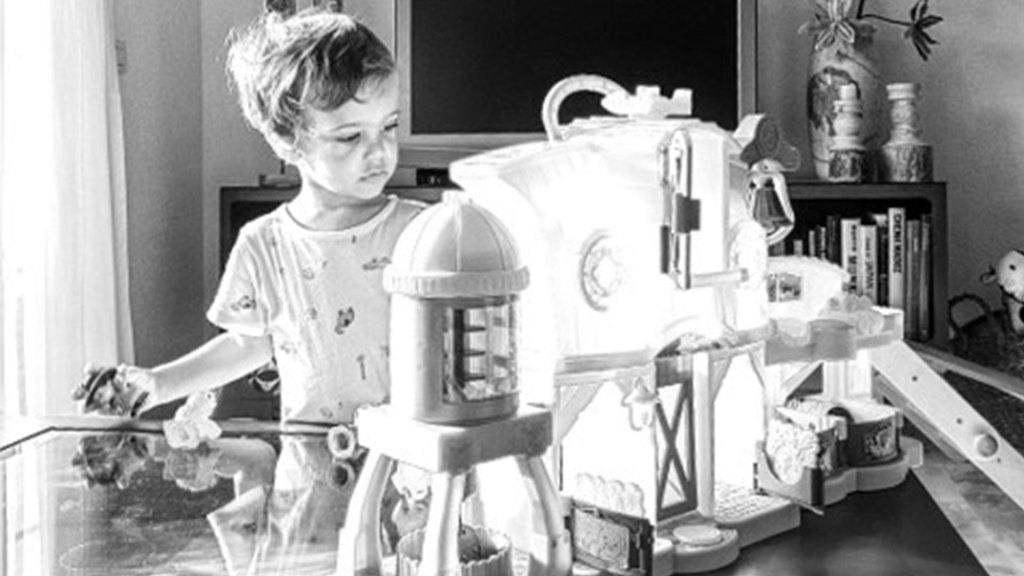
Lack of attention in childhood can escalate into abuse, a subtle yet damaging form of violence that undermines a child’s sense of self-worth. In children, it can lead to low self-esteem, insecurity, and aggressive behavior. In the early years, neglect deprives a person of being seen, heard, and valued, making it difficult for them to reciprocate what they haven’t received. They will need to heal their wounds, and this is a difficult process without the nurturing and strengthening love they need.
Family to the rescue
It is urgent to look attentively again at the person next to us, with a gaze that expresses openness, welcome, and love.
A loving gaze saves: it neither judges nor condemns.
Pause and attentiveness are ethical acts. They are not cracks in our routines or escapes from action, but rather an enactment “of being ‘doing'”—that doing is not doing, stopping to care and understand. This way of sustaining pause affirms human dignity in the face of the voracious consumerism of sensations and perceptions…
Focusing attention with the right distance is synonymous with presence and discernment.
Rediscovering the pause is the great challenge in the culture of haste.
Focusing attention, silence, and calm transforms each personal encounter into the “doing” being a work of art that rises to the sky.
A literary license without prior agreement…
To look and to see. Looking is a physical act, seeing is an intentional act. Some look and see nothing; but those who see have focused their gaze.
Christ explains it to us in his life:
NEW TESTAMENT
1. Gospel of John 1:43-49
2. Gospel of Saint Luke 22:61-62
May we be able to see and look at ourselves as God sees us !

Rosa Montenegro
Pedagoga, orientadora familiar (UNAV) y autora del libro “El yo y sus metáforas” libro de antropología para gente sencilla. Con una extensa experiencia internacional en asesoramiento, formación y coaching, acompaña procesos de reconstrucción personal y promueve el fortalecimiento de la identidad desde un enfoque humanista y transformador.