(EN)
(EN)
 (ES)
(ES)
 (IT)
(IT)

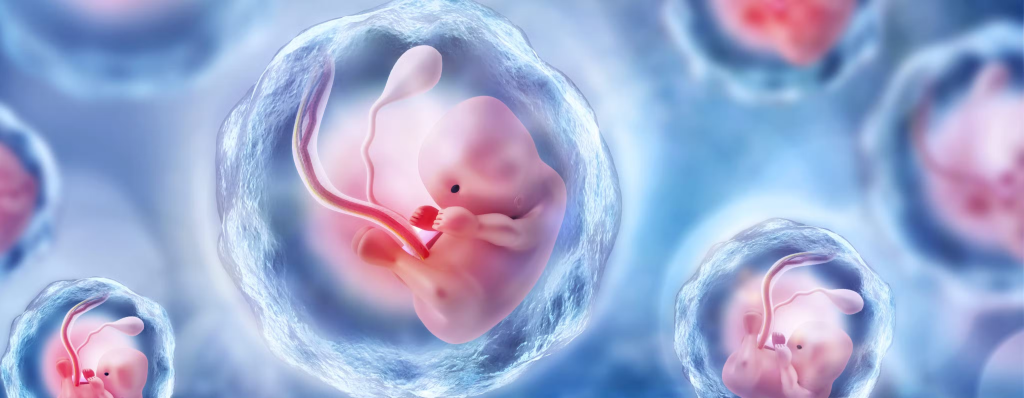

1. Introduction
The number of frozen human embryos worldwide is estimated to be in the millions. The commercialization associated with in vitro fertilization (IVF) techniques means that this number continues to rise. What will become of these embryos? Finding a definitive answer is not easy, as numerous scientific, legal, and ethical issues must be considered. Indeed, if the answer to the question, “What is a human embryo ?”, is simply that it is a cluster of cells, most of the ethical objections would disappear, and only a careful reading of the legislation in each country’s positive law would remain to determine what can and cannot be done with the preserved embryos. However, if, from a biological perspective, it is concluded that the human embryo is an organism of the species Homo sapiens , the ethical implications will be very significant. In fact, the Final Declaration of the XII General Assembly of the Pontifical Academy for Life stated: “It is unavoidable to address a fundamental question: ‘Who or what is the human embryo?’, in order to derive from a well-founded and coherent answer to this question criteria for action that fully respect the integral truth of the embryo itself” [1] .
This article provides data to inform our understanding of the nature of the human embryo and then examines how the current surplus of frozen embryos is occurring. The various possible fates of cryopreserved embryos and the proposals that have been made to manage this alarming excess constitute the next section of this study, which will conclude by addressing the difficulty of providing a completely convincing solution to such a complex problem. Throughout the article, references will be made to the teachings of the Magisterium of the Catholic Church and the scientific data on which they are based.

2. Nature of the human embryo
2.1. The biological and ontological status of the human embryo
Embryonic and fetal development is a complex process [2] ; it begins after fertilization, in which a zygote is formed by the penetration of a sperm into the ovum. On the second day after fertilization, the human zygote develops into a two-cell embryo, called a blastomeres, which divide rapidly, so that by the end of the second day the embryo already has four cells. After natural fertilization, these cell divisions of the embryo occur in parallel with its local movement through the fallopian tube, the duct that connects the ovary to the uterus, so that by the end of the second day the embryo is already halfway to the uterus. By the third day, at least two more divisions have occurred, and on the fourth day the embryo, which is then called a blastocyst, is already in the uterus. Of course, before each cell division each DNA molecule gives rise to two identical molecules, so that the genetic information of the cells of the embryo is identical to that of the zygote.
Although blastomeres initially appear similar, differentiation is already evident in the blastocyst. A central cavity (blastocoel) and a large group of cells called the inner cell mass are distinguishable. Finally, between days 6 and 7 after fertilization, the blastocyst begins implantation in the uterus. Morphological differentiation is then more pronounced. The inner cell mass differentiates into the epiblast and hypoblast, which separates the epiblast from the blastocoel. Surrounding everything is a layer of cells called the trophoblast or trophectoderm. The cells of the inner cell mass can give rise to all the cells of the adult organism, and are therefore called pluripotent. The trophoblast and epiblast are actually extraembryonic tissues that will give rise to auxiliary elements in the formation of the fetus. For example, the placenta originates mainly from the trophoblast. Once implantation is complete, the embryo continues its development continuously and, after going through the fetal development period, the end of gestation is reached.
What is the nature of the human embryo? In 1990, Gareth Williams wrote: “The idea that human life begins at fertilization is found in virtually every embryology textbook… Secular medical ethics has traditionally adopted this view” (Williams, 1990). This idea, peacefully accepted until the end of the last century, began to be questioned when it became possible to obtain human embryos in vitro . The desire to have access to novel research material led to a search for arguments to justify its use and, in parallel, to a deeper investigation into the nature of the human embryo.
Genetic continuity throughout the differentiation process from zygote to embryo to fetus to neonate to adult is a definitive argument for assigning the embryo to the human species, but not for determining its individuality. Biology provides other data regarding the identity of the human embryo. These data primarily relate to the expression program of the embryo’s own genes; the presence of structures characteristic of multicellular organisms; and the biochemical communication between the embryo and the maternal organism, which demonstrate the existence of an interrelationship between different organisms. Furthermore, embryology has established that the site of sperm penetration into the ovum determines the location of the blastocyst’s bilateral symmetry axis, an axis that is maintained throughout development. These initial findings have been discussed elsewhere (Franco, 2012) and need not be reiterated here. But since then, research has delved deeper into the bidirectional dialogue between the maternal organism and the embryo, which, even during its journey through the fallopian tube, facilitates implantation. This dialogue occurs through the exchange of molecular signals, which affect, for example, the regulation of transcription of the embryonic genome (Moreno et al., 2023), distinct from that of the mother. This data points to the idea that the embryo is an organism with an individuality different from that of the mother.
Advances in mammalian embryology in recent years, thanks to the emergence of new technologies, provide more compelling arguments for considering the human embryo an individual. For example, it is possible to label each cell of an early embryo with a different fluorescent protein without compromising the embryo’s viability (Tabansky et al., 2013). This technique is known as “rainbow,” alluding to the multiplicity of colors. Recently, a new non-invasive method for studying early embryo development has been introduced using microcinematography aided by deep learning techniques ( Shen et al., 2022). This set of experimental methods, combined with other classic molecular biology techniques, has allowed for a deeper understanding of the development of mouse embryos and, more recently, human embryos. Given the parallels between mouse and human embryology, it is accepted that findings from this animal model can be extrapolated to the human embryo. The use of the rainbow technique with four-cell embryos allowed us to observe that the inner cell mass derives mainly from one of the blastomeres, while the trophectoderm comes mainly from another, so it can be concluded that “it is unlikely that the trend observed in these results can be explained by chance” (Tabansky et al., 2013).
The results described are consistent with the fact that human body cells exhibit clonal imbalance; that is, different cells do not derive from the early embryo through symmetrical divisions. This conclusion was reached by retrospectively reconstructing the lineage of human cells using genomic sequencing and single nucleotide polymorphism analysis (Coorens et al., 2021). A combination of invasive and non-invasive techniques has recently made it possible to reconstruct the lineage of human embryos from the two-cell stage to the blastocyst and to determine the contribution of each blastomere in the two-cell embryo to the formation of the epiblast, hypoblast, and placenta. Most epiblast cells—which will give rise to the fetal and adult body—derive from a single blastomere (Junyent et al., 2024).
If the results described so far are considered as a whole, it must be concluded that, despite morphological appearances, the embryo is much more than a mass of cells. Biological data strongly point to the identification of the zygote itself as an individual organism and would necessitate establishing the biological status of the human embryo as that of a living organism of the species Homo sapiens . This was the conclusion reached in 2006 by the aforementioned Declaration of the Pontifical Academy for Life, although at that time the subsequent compelling data mentioned above were still lacking. The Declaration added that the pre-implantation human embryo is “a being that possesses within itself the purpose of developing as a human person and, at the same time, the intrinsic capacity to carry out that development.”
This opens the door to debate on the ontological status of the human embryo. For Spaemann, for example:
Those who seek to separate the concepts of “man” and “person” have not thoroughly considered the consequences that follow from this. According to the traditional, philosophically sound conception, a person is any individual of a species whose normal members have the capacity to acquire self-awareness and rationality. (…) Reducing the person to certain actual states—self-awareness and rationality—ultimately dissolves it completely: the person no longer exists, but only “personal states of organisms” (Spaemann, 1992).
Others, like Hyun, argue that the Western philosophical tradition limits the concept of personhood only to those individuals who actually possess the capacity to make rational decisions and whose actions demonstrate a high level of cognitive ability and self-awareness (Hyun, 2024). The author likely assumes that the “Western philosophical tradition” begins with John Locke, who defined a person as “a thinking, intelligent being, endowed with reason and reflection” (Locke, 1999). The aforementioned Declaration of the Pontifical Academy for Life begins by stating that “since this is a philosophical interpretation, the answer [to the question of the embryo’s personhood] is not a matter of ‘definite faith’ and remains open, in any case, to further consideration.” However, the Academy’s opinion is clear: “Based on the available biological data, we consider that there is no significant reason to deny that the embryo is a person even at this [pre-implantation] stage.” But even if one might have doubts about the interpretation of the data presented, considering it in good faith must at least leave a reasonable suspicion that the embryos possess the identity of human organisms. In any case, the most basic ethical norms should suffice to respect embryonic life, that is, to reject the destruction of human embryos. This is why the Pontifical Academy for Life, in the aforementioned declaration, reaffirmed the grave moral obligation to respect human embryos:
Furthermore, from a moral point of view, above any consideration of the personality of the human embryo, the mere fact of being in the presence of a human being (and even the doubt of being in its presence would be sufficient) demands in relation to it full respect for its integrity and dignity: any behavior that in any way may constitute a threat or an offense to its fundamental rights, the first of which is the right to life, must be considered gravely immoral.
This statement is in clear continuity with the Magisterium of the Church, which, in turn, is based on scientific data such as those gathered in the preceding lines. The highest-ranking document that addresses the status of the human embryo is the Encyclical Evangelium vitae [3] .
2.2. The debate on the status of the human embryo
Because the topic under discussion has profound ethical repercussions, it is very difficult for science to provide an answer that is absolutely acceptable to all scientists, who, like anyone else, are not immune to ideologies. There are still scientists who accept that the embryo is merely a mass of cells or a structure with the potential to become a human being, but not a human person. There is no serious argument in favor of these alternative positions, and opinions with little or no rational basis are frequently put forward; thus, to defend the use of human embryos for research, appeals to ridicule are often employed. For example: “If a fire breaks out in a laboratory containing thousands of frozen embryos, and a firefighter has to choose between saving a worker in that laboratory or the thousands of embryos, they would surely choose to save the worker.” From this, the conclusion is drawn that embryos are not persons, since if they were, it would be necessary to save thousands of human beings rather than just one (Douglas & Savulescu, 2009) [4] . But the dignity of a human embryo, a fetus, or an adult does not depend on whether it is valued more or less. The value of a person in and of themselves does not depend on the value that person has for me . Affectivity and sensitivity operate in the sphere of having , not in that of being , and should not be considered ethical benchmarks (Franco, 2001).
At other times, no arguments are even given. Renato Dulbecco [5] wrote:
It is clear that there is a continuity between the moment of conception and adulthood, so—in the abstract—killing the fertilized ovum is equivalent to killing the individual 30 or 60 years later. But our perception of the human person is also important: a fertilized ovum and the embryo in which it develops cannot be recognized as persons from any point of view for a certain period. At what point can we begin to consider it “human”? And at what point does it cease to be an embryo and become a child? It is a discussion that has no end. In the absence of objective parameters and scientifically irrefutable evidence, the definition of these boundaries is left to individual beliefs, superstitions, the prevailing morality of a given historical period, religious dogmas, or even the discretion of the legislature in each country (Dulbecco, 1988).
The beginning of the quoted paragraph seems to acknowledge the embryo’s identity as a human being. However, to justify the manipulation of embryos, it adds reasons that include no scientific basis: they are simply based on “our perception of the human person,” something entirely subjective, supported by the observer’s sensitivity.
It is worth emphasizing that the arguments in favor of the nature of the embryo as a human being are based on scientific data and not on confessional reasons. The Magisterium of the Church bases itself precisely on this scientific data, although, logically, it analyzes it “by virtue of its own evangelical mission and apostolic duty” [6] . The aforementioned article by Gareth Williams was published after a debate in the UK Parliament on the use of embryos for research. Those in favor of this use frequently resorted to the “Church versus Galileo” argument, in an attempt to demonstrate that those who opposed experimentation with embryos did so for religious reasons and were hindering the progress of science. Williams began his article by saying that “as an atheist, an experienced scientist, and a follower of a pro-life movement, I had to reject such an interpretation” and then criticized the reasons being put forward against the idea that human life begins with fertilization, ending by saying, “It seems that some want to have their cake and eat it too, accusing their opponents of religious fundamentalism, while they themselves rely on confused metaphysical arguments with little rational basis” (Williams, 1990).

3. In Vitro Fertilization and Embryo Freezing
During 2021, 38,431 women in Spain underwent IVF techniques, initiating 46,224 cycles [7] . Embryo transfer was performed in 18,454 cases (39.9% of cycles initiated), and in 6,353 cases the transfer resulted in pregnancy, although 1,519 of these were ectopic, heterotopic, or ended in miscarriage (23.9% of pregnancies). Ultimately, 4,656 pregnancies reached term, representing a success rate of 10.1% of cycles initiated or 25.2% of embryo transfers performed. Data on the outcome of the remaining 178 pregnancies are unavailable.
In principle, embryo cryopreservation is performed once cell division has begun [8] , in anticipation of a subsequent transfer if the first one is unsuccessful or if a new pregnancy is desired. It is carried out by vitrification (Sciorio et al., 2024) to prevent the destructive effect of ice crystal formation. Vitrification requires the partial replacement of water with a cryoprotective agent, such as dimethyl sulfoxide, so that by lowering the temperature to that of liquid nitrogen (-196°C), the crystallization of residual water is prevented. Many variables must be controlled during both freezing and thawing to prevent irreversible damage to the embryo. Dehydration leads the embryo to an unnatural state in which not only are vital functions suspended, but the interaction between the various structures of the embryo is also disrupted by water loss.
The aforementioned report shows that the success rate of IVF is much lower than promised by clinics, but it also adds that 777,679 cryopreserved embryos remained at the end of 2021. Spanish legislation does not limit the number of embryos that can be produced in each ART cycle, leading to an accumulation that will clearly continue to grow unless their production is curtailed. Given the nature of the embryo, the freezing of embryos already violates its dignity, as the Magisterium of the Church reminds us [9] .
It is worth asking whether embryos obtained through IVF and maintained in a culture medium differ from embryos resulting from natural fertilization and developed within the maternal organism [10] . Regarding their identity, biological nature, and ontological status, there is no difference between embryos obtained and cultured in vitro and those resulting from natural fertilization (Franco, 2012), so the dignity of these embryos must be respected, regardless of how they were conceived. However, at the molecular level, subtle differences can be found. It has long been known that, in embryo culture, changes in the components of the medium, temperature, oxygen levels, and the mechanical stress of manipulation can produce epigenetic changes (Lane et al., 2014).
Possibly for this reason, the incidence of some diseases with an epigenetic component is higher in children born after IVF than in those born after natural conception. In 2002, a connection was suggested between intracytoplasmic sperm injection (ICSI) techniques and a syndrome caused by defects in genomic imprinting, specifically Angelman syndrome [11] (Cox et al., 2002). A year later, the same suggestion was made in relation to Beckwith-Wiedemann syndrome, a rare disease also caused by errors in the methylation of a specific chromosomal locus (Gicquel et al., 2003). This is a matter of profound scientific and social interest, since approximately 3% of births in developed countries currently occur after the use of assisted reproductive technologies (ART); therefore, it has been extensively researched in the years since. Numerous reviews on the subject have been published, the first of which have been mentioned elsewhere (Franco, 2010). Without going into detail, the first case-control study compared 14,894 children born via assisted reproductive technology (ART) with 1,316,500 born naturally. The frequency of Beckwith-Wiedemann syndrome among the latter group was 0.00281%, while in the former it rose to 0.0269%, a proportion nine times higher than that of the general population (Halliday et al., 2004). Subsequent studies have confirmed these results (Mussa et al., 2017), which are too often overlooked when discussing ART.

4. Proposals on the fate of frozen embryos: Ethical assessment
4.1. Use of surplus embryos for research
It is often argued that abandoned embryos constitute valuable research material. It has been repeatedly argued that such research could lead to the development of therapies that prolong life and alleviate suffering. It has even been said that forgoing embryo research would result in thousands, perhaps millions, of preventable deaths, and that such a renunciation would be morally equivalent to killing those people. For example, Douglas and Savulescu conclude an article by saying:
Even if it were not morally equivalent to killing, those who distinguish between killing and letting die by denying assistance will admit that there are strong reasons to avoid foreseeable deaths. Therefore, there are powerful reasons to conduct research by destroying embryos (Douglas & Savulescu, 2009 ) .
It is clear that such arguments are aimed at capturing public attention, using sentimentality to garner the social support necessary for the complete liberalization of embryo use in research. The aforementioned article was published 15 years ago, yet arguments of this kind continue to proliferate. In December 2023, in an article in the British newspaper The Guardian , the author lamented that the number of embryos donated to science [12] had fallen in the United Kingdom from 17,925 in 2004 to 675 in 2019 (Devlin, 2023), and subsequently, voices were raised calling for greater legal flexibility in embryo research. The discussion centers on the potential to improve our understanding of human development, screen for new drugs, and investigate genetic diseases. However, as Cook pointed out, it is crucial to remember that the pursuit of reputation is often the driving force behind research (Cook, 2023). The use of human embryos adds prestige to a study, even if the same conclusions could have been reached using animal embryos. This added value allows the work to be published in a journal with a higher impact factor.
4.2. Use of human embryos for obtaining biological materials
At the end of the last century, it was repeatedly suggested that human embryos would be an excellent source of stem cells, pluripotent cells that could be differentiated in the laboratory to become any type of cell. A public opinion campaign was orchestrated, even promoting a petition for the unrestricted use of embryonic stem cells, proposing that they could cure diabetes and other diseases. Many scientists became spokespeople for these petitions, but these expectations were not met, and it soon became clear that stem cells obtained from adult tissues far surpassed embryonic stem cells in regenerative medicine applications (Franco, 2012). Moreover, with the discovery that it is possible to dedifferentiate adult cells into induced pluripotent cells (iPSCs), with a potential similar to that of embryonic stem cells (Takahashi et al., 2007; Takahashi & Yamanaka, 2006), the use of these cells in regenerative medicine is gaining significant interest. Currently, of the clinical trials using stem cells in regenerative medicine conducted worldwide, over 70% employ stem cells derived from adult tissues, approximately 20% use iPSCs, and less than 10% use embryonic stem cells [13] . Perhaps due to this perceived lack of utility of embryonic stem cells, some authors, while acknowledging other aspects of embryo manipulation, believe that their use for stem cell research should be strictly prohibited (Ahmed, 2018).
The arguments in favor of using cryopreserved embryos for research or to obtain biological materials are far from sufficient to give a positive ethical assessment to such use. Even if the researcher’s intention were entirely devoid of any desire for success or profit, the potential benefits to human health that could be obtained from such research do not justify the destruction of the embryos. The Magisterium of the Church, in view of the dignity of the human embryo—which, in turn, is based on the scientific data discussed above—is unequivocal on this point. For example, the Instruction Dignitas personae (n. 19) clearly states:
Proposals to use such embryos for research or therapeutic purposes are clearly unacceptable because they involve treating them as mere “biological material” and entail their destruction. Equally unacceptable is the proposal to thaw these embryos and, without reactivating them, use them for research as if they were simply cadavers.
And Benedict XVI went so far as to link the lack of respect for the right to life implied by the destruction of human embryos with the loss of ecological sense [14] .
4.3. Donation and adoption of embryos
In the last decade of the 20th century, before the problem caused by the accumulation of abandoned embryos arose, the donation of surplus embryos was already being considered as a way to help infertile couples have children. In a pioneering study published in 1995, the author considered the donation of embryos to infertile couples to be acceptable from both an ethical and legal point of view (Robertson, 1995).
From a technical standpoint, since embryo adoption would be applicable in the case of abandoned embryos, it is worth asking whether prolonged cryopreservation leads to problems in pregnancy, childbirth, or the health of the newborn. The most recent studies conclude that there are only slight differences between the use of fresh or cryopreserved embryos, with a slight advantage for the former (Gullo et al., 2023; Li et al., 2023). The cohorts were large enough to ensure the statistical validity of the results and were conducted using embryos from the biological mother herself. In one of the studies (Li et al., 2023), a group (N = 76) of women received embryos preserved for 37 to 84 months. There are no statistically significant data on the consequences of implanting heterologous embryos after longer periods of freezing. The case of a normal pregnancy and delivery following the implantation of an embryo preserved for almost 20 years (19 years and 7 months) is cited (Dowling-Lacey et al., 2011). The embryo was one of five surplus embryos donated by its biological parents after they had successfully achieved a pregnancy. Of the five embryos, only two survived the thawing process and were transferred to a 42-year-old infertile woman. Only one of these two embryos carried to term and resulted in a normal delivery (Dowling-Lacey et al., 2011). Clearly, one cannot generalize from isolated data, but it is evident that the success rate of adoption was low in this case.
As we have just seen, not all embryos survive after thawing. In fact, there is no way to know beforehand whether a cryopreserved embryo is viable. When the embryo has been frozen—as is usual—before reaching the blastocyst stage, its viability can be checked by its ability to continue dividing in vitro once thawed, although, obviously, this does not guarantee that the resulting blastocyst will be able to implant [15] .
What can be said about the morality of embryo adoption? As discussed, Robertson accepted the donation of embryos to infertile couples, since this act does not involve more manipulation of the embryo than that required for its production and only included the need to adopt some ethical and legal precautions, such as, for example, the financial compensation of the donors’ expenses, the verification of the suitability of the recipients, etc. (Robertson, 1995).
Since then, the morality of donation and adoption has been widely debated. Clearly, those who deny the dignity of the human embryo do not raise any additional ethical issues beyond those raised by Robertson. In some cases, embryo adoption has even been used as part of an argument to conclude that the life of a human embryo does not have absolute value. To this end, Lovering uses an argument consisting of three premises, from which he draws a conclusion that, by reduction to absurdity, leads him to dismiss the value of human embryos. The reasoning can be summarized as follows:
P1: The death of a frozen embryo is very unfair.
P2: Some people can avoid the death of at least one frozen embryo by adopting it, if doing so does not require sacrificing anything of comparable moral value.
P3: If it is within someone’s power to prevent something very unjust from happening without sacrificing anything of comparable moral importance, that person, morally speaking, should do so.
C: Therefore, those who accept the first premise should try to avoid the death of at least one frozen embryo through adoption (Loving, 2020).
A counterexample has been presented to this argument. Adopting an embryo involves a financial outlay, which, according to Lovering himself, can be around $8,000. But the curative treatment for a malaria patient is, on average, $3,162, so it is concluded that if those who accept premise 1, instead of adopting an embryo, make a donation for malaria treatment, they could save the lives of up to 15 people (Blackshaw & Colgrove, 2020).
Among those who accept that the embryo is a human being, positions on adoption encompass a wide range of opinions. These range from those, like Clark, who believe that embryo adoption is the only viable option compatible with preserving its life (Clark, 2014), to those who, like Tonti-Filippini, argue that the gestation of a heterologous embryo is, in a sense, adultery, though not with all its serious implications (Tonti-Filippini, 2003). Given this panorama, the question arises: What is the Magisterium of the Church’s position on this matter?
The Instruction Donum Vitae did not explicitly address the adoption of embryos. This prompted numerous Catholic bioethicists to engage in a broad debate, attempting to find arguments for or against adoption within the Instruction. In Berkman’s view, the paragraph in the Instruction that states that the embryo “must be defended in its integrity, cared for, and healed, as far as possible, like any other human being” (I, 1) can be interpreted at first glance as “a basis for giving these cryopreserved embryos the opportunity to be gestated and brought to life by morally acceptable means” (Berkman, 2002). Logically, the author questioned whether adoption could be a morally acceptable means, concluding that it is neither a form of surrogacy nor contrary to the virtue of chastity. In a subsequent article, Berkman analyzes, in light of a specific case, the wide range of cases raised by the topic and concludes that, in his opinion, prenatal adoption can be lawful and, moreover, the woman who adopts an embryo has a significantly greater maternal role than if she adopted a born child (Berkman, 2003).
The situation changed when the Instruction Dignitas personae was published in 2008 , which includes an explicit reference to the donation and adoption of embryos:
The proposal to make them available to sterile spouses as “therapy” for infertility is not ethically acceptable for the same reasons that make both heterologous artificial procreation and all forms of surrogacy illicit; this practice would also involve other medical, psychological, and legal problems.
To give so many human beings condemned to destruction the opportunity to be born, the idea of “prenatal adoption” has been proposed. This is a proposal based on the laudable intention of respecting and defending human life, which, however, presents ethical problems no different from those already mentioned [16] .
It is clear that the adoption of embryos by infertile couples is morally illicit, but doubts have been raised about the interpretation of the second of the aforementioned paragraphs, since the Instruction acknowledges the “laudable intention” of those who support adoption, but, at the same time, points out the existence of ethical problems. The broad debate among Catholic bioethicists remains open.
It is impossible to include here all the articles published on this topic, but referring only to the most recent contributions, it suffices to say that the various positions range from those who readily accept the morality of adoption to those who deny it altogether. The opposition is based primarily on its similarity to surrogacy or extramarital procreation. At its core lies the idea that it is not permissible to gestate an embryo not genetically related to the recipient woman. Haas and Pacholczyk, based on natural morality, propose that pregnancy should be achieved exclusively through a marital union and conclude that a woman’s use of her reproductive capacity through the adoption of an embryo violates the meaning of motherhood, as well as that of her husband’s paternity, making it an act against nature and contrary to human reason (Haas & Pacholczyk, 2023).
Those who accept adoption argue that spousal relationships and functions can be maintained even when the surrogate mother is not the biological mother. Malone points out that “the debate on the transfer of heterotopic embryos seeks to answer the question of whether gestational and genetic motherhood can be distinguished” (Malone, 2019). But the issue is more complex. To decide on the morality of embryo adoption, it is necessary to consider that frozen embryos come from an act, IVF, formally declared illicit by the Magisterium, so the use of such embryos, even for the purpose of preserving their life, could constitute cooperation with evil. Lasnoski argues that, in that case, it would be a matter of material, not formal, cooperation (Lasnoski, 2023). Clearly, the adoption of embryos, carried out with the aim of preserving at least one human life, is not comparable to the use of biological material of illicit origin for research purposes. But it is obvious that adoption, while it should include the rejection of the method by which the embryo was obtained, does not imply its use, but rather the attempt to preserve its life.
The reasons given above are not sufficient to justify the lawfulness of adoption. It is necessary to bear in mind that adoption “presents ethical problems no different from those already mentioned,” as indicated in the aforementioned paragraph of no. 19 of the Instruction Dignitas personae . These “ethical problems” do not appear sufficient for the Instruction to issue an explicit moral condemnation of adoption, but until their scope is clarified, any definition regarding the lawfulness of adoption should be suspended, always respecting the goodwill and solidarity of those who choose this option.

4.4. The fate of frozen embryos
Even granting the legality of adoption, the problem posed by the accumulation of frozen embryos would remain dramatic. It must also be considered that, should adoption become widespread, it could potentially be used as justification for continuing to produce and store embryos. With their use for research or obtaining biological materials ruled out, the only remaining alternative is to keep the embryos frozen indefinitely. This solution has been proposed as the only morally acceptable one while awaiting a “foreseeable future” (Pacholczyk, 2009). However, it is impossible to foresee that an acceptable solution will be found in the future. Work is underway on the design of artificial wombs in which the embryo can implant and develop, but it seems clear that these “ectogenic pregnancies” are not ethically permissible. If obtaining embryos through a technical procedure rather than an act of love through the mutual donation of spouses is already reprehensible, then replacing the environment of the mother’s womb with an artificial one seems equally reprehensible. The indefinite cryopreservation of embryos is, therefore, a problematic solution. As Tonti-Filippini pointed out, a freezer represents “a profane environment that lacks the sacredness of the woman’s body, which would maintain the dignity that should always surround a human being” (Tonti-Filippini, 2003). The state of being frozen is thus already undignified and should clearly be avoided at all costs, as stated in the Instruction Dignitas personae [17] .
However, as long as the production of human embryos continues, the problem of what to do with those that already exist remains. In this context, it must be considered that vital activities are suspended in the cryopreserved embryo [18] and that, as has been pointed out, some of its structural characteristics are altered. Moreover, the normal development of the embryo can only be resumed through the improbable and ethically dubious implantation in a maternal uterus. And considering, finally, that the maintenance of life is due to the use of an extremely low temperature, one might ask whether the situation of abandoned cryopreserved embryos is not equivalent to the prolongation of life by extraordinary means in a patient whose clinical condition excludes any real possibility of recovery. If that were the case, it would be permissible to withdraw the extraordinary means and allow the embryo to die naturally. This was the proposal of one of the authors already cited:
The solution I would propose for the sad situation of embryos frozen in an anhydrous state is simply to thaw them in aqueous conditions (where rehydration and the elimination of the chemical compounds that replace water can take place) so that they can recover their natural dynamic state, a state more appropriate to their sacredness as human beings than the state of suspended animation caused by freezing and anhydrous conditions. The few days in which they would have returned to their natural state of growth and dynamism could represent a rescue, albeit a short-lived one due to the lack of licit methods that could ultimately prevent their death. Death would occur upon reaching a stage of maturation in which their vital needs could no longer be lawfully met (Tonti-Filippini, 2003).
This proposal, which involves withdrawing extraordinary means of maintenance, could be morally acceptable if one were to accept the previously stated premise that the state of the cryopreserved embryo is similar to that of a patient whose clinical condition precludes any real possibility of recovery. Of course, in that case, once dead, the embryo should be treated with the same respect as a corpse and could, therefore, be cremated. Pacholczyk does not share this opinion, for whom the cryopreservation of embryos does not involve extraordinary means, since periodically refilling the container in which they are preserved with liquid nitrogen does not represent an extraordinary expense (Pacholczyk, 2009). But, in my opinion, the extraordinary nature of a measure should not be measured by economic criteria.
However, another issue must be considered, adding a further complication to an already complex situation. When more embryos are produced than will be implanted, freezing the surplus is already a measure planned by the gynecologist. The extraordinary means employed to maintain frozen embryos are not, therefore, something that arises unexpectedly in response to an unforeseen situation, as is the case with the application of therapeutic measures that, at a certain point, may be considered extraordinary. Therefore, to decide on the permissibility of withdrawing the artificial means of preserving embryos while they are still alive, the intentions of those who initiated this preservation must also be taken into account. It seems clear that the only morally viable solution to the problem of frozen embryos would be to cease this process, as the Instruction Dignitas personae points out .
In short, it is necessary to acknowledge that the thousands of embryos that are in a state of abandonment constitute a situation of injustice that is in fact irreparable. For this reason, John Paul II addressed “an appeal to the conscience of those responsible in the scientific world, and in particular to doctors, to stop the production of human embryos, taking into account that there is no morally licit solution in sight for the human destiny of the thousands upon thousands of ‘frozen’ embryos, which are and always will be holders of essential rights and which, therefore, must be legally protected as human persons” [19] .
Of course, the personal opinions on ethical issues expressed in this article should be considered provisional until the Magisterium of the Church makes a definitive pronouncement on them.
Luis Franco. Royal Academy of Exact, Physical and Natural Sciences of Spain. Royal Academy of Medicine of the Valencian Community. Member of the Bioethics Observatory
***
LITERATURE
Ahmed, S. (2018). Embryo freezing and donation: Ethical-legal issues. ILI Law Review , Summer Issue , 114–135.
Berkman, J.R. (2002). The morality of adopting frozen embryos in light of Donum Vitae. StMor , 40 , 115–141.
Berkman, J.R. (2003). Gestating the embryos of others. Natl. Catholic Bioethics Quart. 3 , 309–329. https://doi.org/10.5840/ncbq20033256
Blackshaw, B.P., & Colgrove, N. (2020). Frozen embryos and the obligation to adopt. Bioethics , 34 , 857–861. https://doi.org/10.1111/bioe.12733
Clark, P. A. (2014). Ethical implications of embryo adoption. In C.S. Atwood & S. Vadakkadath Meethal (Eds.), Pluripotent Stem Cell Biology – Advances in Mechanisms, Methods and Models (pp. 213–229). IntechOpen Limited. https://doi.org/10.5772/58592
Cook, M. (2023). UK scientists can’t wait to get their hands on thousands of frozen human embryos . https://www.mercatornet.com/uk_scientists_can_t_wait_to_get_their_hands_on_thousands_of_frozen_human_embryos
Coorens, THH, Moore, L., Robinson, PS, Sanghvi, R., Christopher, J., Hewinson, J., Przybilla, MJ, Lawson, ARJ, Spencer Chapman, M., Cagan, A., Oliver, TRW, Neville, MDC, Hooks, Y., Noorani, A., Mitchell, TJ, Fitzgerald, RC, Campbell, PJ, Martincorena, I., Rahbari, R., & Stratton, M. R. (2021). Extensive phylogenies of human development inferred from somatic mutations. Nature , 597 , 387–392. https://doi.org/10.1038/s41586-021-03790-y
Cox, G.F., Bürger, J., Lip, V., Mau, U.A., Sperling, K., Wu, B.L., & Horsthemke, B. (2002). Intracytoplasmic sperm injection may increase, the risk of imprinting defects. American Journal of Human Genetics , 71 , 162–164. https://doi.org/10.1086/341096
Devlin, H. (2023, December 6). Call to help UK IVF patients donate unused embryos after shortages hinders research. The Guardian . https://www.theguardian.com/science/2023/dec/06/call-to-help-ivf-patients-donate-unused-embryos-after-shortage-hinders-research
Douglas, T., & Savulescu, J. (2009). Destroying unwanted embryos in research. EMBO Reports , 10 , 307–312. https://doi.org/10.1038/embor.2009.54
Dowling-Lacey, D., Mayer, J.F., Jones, E., Bocca, S., Stadtmauer, L., & Oehninger, S. (2011). Live birth from a frozen-thawed pronuclear stage embryo almost 20 years after its cryopreservation. Fertility and Sterility , 95 , 1120.e1-3. https://doi.org/10.1016/j.fertnstert.2010.08.056
Dulbecco, R. (1988). Ingegneri della vita. Medicina e morale nell’era del DNA . Sperling & Kupfer Editori, S. p. A. Segrate (Italy).
Franco, L. (2001). Bioethics and solidarity. In GM Tomás Garrido (Ed.), Manual of Bioethics (1st ed ., pp. 83–95). Ariel, Barcelona.
Franco, L. (2010). Orphan diseases: A meeting point between Clinical Medicine, Biomedicine and Bioethics . Inaugural address. Royal Academy of Medicine of the Valencian Community.
Franco, L. (2012). The fascinating world of stem cells. RACSG , 105 , 327–352.
Gicquel, C., Gaston, V., Mandelbaum, J., Siffroi, J.-P., Flahault, A., & Le Bouc, Y. (2003). In vitro fertilization may increase the risk of Beckwith-Wiedemann syndrome related to the abnormal imprinting of the KCNQ1OT gene. Am. J. Human Genet. , 72 , 1338–1341. https://doi.org/10.1086/374824 .
Gullo, G., Basile, G., Cucinella, G., Greco, ME, & Perino, A. (2023). Fresh vs. Frozen embryo transfer in assisted reproductive techniques: a single center retrospective cohort study and ethical-legal implications. Eur. Rev. Med. Pharm. Sci. , 27 , 6809–6823. https://doi.org/ 10.26355/eurrev_202307_33152.
Haas, J., & Pacholczyk, R. T. (2023). Moral contraindications to the adoption of abandoned, frozen human embryos. Linacre Quarterly , 90 , 139–144. https://doi.org/10.1177/00243639231165252
Halliday, J., Oke, K., Breheny, S., Algar, E., & Amor, DJ (2004). Beckwith-Wiedemann syndrome and IVF: A case-control study. American Journal of Human Genetics , 75 , 526–528.
Hyun, I. (2024). Dynamic models of human development and concepts of the individual. Cell , 187 , 3220–3223. https://doi.org/10.1016/j.cell.2024.05.028
Junyent, S., Meglicki, M., Vetter, R., Mandelbaum, R., King, C., Patel, E.M., Iwamoto-Stohl, L., Reynell, C., Chen, D.Y., Rubino, P., Arrach, N., Paulson, RJ, Iber, D., & Zernicka-Goetz, M. (2024). The first two blastomeres contribute unequally to the human embryo. Cell , 187 (11), 2838-2854.e17. https://doi.org/10.1016/j.cell.2024.04.029
Lane, M., Robker, R.L., & Robertson, S.A. (2014). Parenting from before conception. Science , 345 , 756–760. https://doi.org/10.1126/science.1254400
Lasnoski, K. (2023). The moral basis for the adoption of abandoned, frozen human embryos. Linacre Quarterly , 90 , 135–138. https://doi.org/10.1177/00243639231165245
Li, X., Guo, P., Blockeel, C., Li, Storage duration of vitrified embryos does not affect pregnancy and neonatal outcomes after frozen-thawed embryo transfer. Frontiers in Endocrinology , 14 , 1148411. https://doi.org/10.3389/fendo.2023.1148411
Locke, J. (1999). An Essay Concerning Human Understanding (E. O’Gorman (ed.)). Fondo de Cultura Económica. Mexico City, Mexico
Lovering, R. (2013). The substance view: A critique. Bioethics , 27 , 263–270. https://doi.org/10.1111/j.1467-8519.2011.01954.x
Lovering, R. (2020). A moral argument for frozen human embryo adoption. Bioethics , 34 , 242–251. https://doi.org/10.1111/bioe.12671
Malone, J.R. (2019). Ethics of cryopreserved embryo adoption: Defrosting Dignitas Personae. HCEUSA , Fall , 2–14.
Moreno, I., Capalbo, A., Mas, A., Garrido-Gomez, T., Roson, B., Poli, M., Dimitriadis, E., Santamaria, X., Vilella, F., & Simon, C. (2023). The human periconceptional maternal-embryonic space in health and disease. Physiological Reviews , 103 , 1965–2038. https://doi.org/10.1152/physrev.00050.2021
Mussa, A., Molinatto, C., Cerrato, F., Palumbo, O., Carella, M., Baldassarre, G., Carli, D., Peris, C., Riccio, A., & Ferrero, GB (2017). Assisted reproductive techniques and risk of Beckwith-Wiedemann syndrome. Pediatrics , 140 , e20164311. https://doi.org/10.1542/peds.2016-4311 .
Pacholczyk, T. (2009). What should we do with the frozen embryos? In Making Sense of Bioethics (Vol. 48). https://www.ncbcenter.org/making-sense-of-bioethics-cms/tag/Frozen+Embryos
Robertson, J. A. (1995). Ethical and legal issues in human embryo donation. Fertility and Sterility , 64 , 885–894. https://doi.org/10.1016/s0015-0282(16)57897-2
Sciorio, R., Tramontano, L., Campos, G., Greco, P.F., Mondrone, G., Surbone, A., Greco, E., Talevi, R., Pluchino, N., & Fleming, S. (2024). Vitrification of human blastocysts for couples undergoing assisted reproduction: an updated review. Frontiers in Cell and Developmental Biology , 12 , 1398049. https://doi.org/10.3389/fcell.2024 .
Shen, C., Lamba, A., Zhu, M., Zhang, R., Zernicka-Goetz, M., & Yang, C. (2022). Stain-free detection of embryo polarization using deep learning. Scientific Reports , 12 , 2404. https://doi.org/10.1038/s41598-022-05990-6
Spaemann, R. (1992). Are all men persons? In Bioethics. Philosophical-theological considerations on a current issue (pp. 67–75). Rialp, Madrid.
Tabansky, I., Lenarcic, A., Draft, RW, Loulier, K., Keskin, DB, Rosains, J., Rivera-Feliciano, J., Lichtman, JW, Livet, J., Stern, JNH, Sanes, JR, & Eggan, K. (2013). Developmental bias in cleavage-stage mouse blastomeres. Current Biology , 23 , 21–31. https://doi.org/10.1016/j.cub.2012.10.054
Takahashi, K., Tanabe, K., Ohnuki, M., Narita, M., Ichisaka, T., Tomoda, K., & Yamanaka, S. (2007). Induction of pluripotent stem cells from adult human fibroblasts by defined factors. Cell , 131 , 861–872. https://doi.org/10.1016/j.cell.2007.11.019 .
Takahashi, K., & Yamanaka, S. (2006). Induction of pluripotent stem cells from mouse embryonic and adult fibroblast cultures by defined factors. Cell , 126 , 663–676. https://doi.org/ 10.1016/j.cell.2006.07.024.
Tonti-Filippini, N. (2003). The embryo rescue debate. The National Catholic Bioethics Quarterly , Spring , 111–137. https://doi.org/10.5840/ncbq20033181
Williams, G. (1990). Research on embryos. New Scientist , 125 , 70–71.
[1] Pontifical Academy for Life. Final Declaration of the XII General Assembly, 2006. L’Osservatore Romano, Spanish language edition, March 3, 2006, p. 4.
[2] Details can be found in any Cell Biology textbook; here only what is necessary to focus the subsequent discussion is outlined.
[3] “Although the presence of a spiritual soul cannot be deduced from the observation of any experimental data, the very conclusions of science on the human embryo offer “a precious indication for rationally discerning a personal presence from this first emergence of human life: how could a human individual not be a human person?”
“Moreover, something so important is at stake that, from the point of view of moral obligation, the mere probability of being faced with a person would be enough to justify the most absolute prohibition of any intervention aimed at eliminating a human embryo” (John Paul II, Encyclical Letter Evangelium vitae n. 60; AAS 87:502 (1995); the internal quote is from the Instruction Donum vitae I, 1).
[4] The interested reader can find publications for or against similar arguments in Lovering’s article (Loving, 2013) and the references included.
[5] Dulbecco received the Nobel Prize in Physiology or Medicine in 1975.
[6] Instruction Donum vitæ . AAS, 80:83 (1988).
[7] The figures used in this section come from the latest report by the Spanish Fertility Society on the results obtained by centers using ART in Spain and are the official registry of the Ministry of Health. Only data relating to IVF are relevant, both by the conventional method and by intracytoplasmic sperm injection, since other techniques, such as artificial insemination, do not result in embryo storage. It can be found at https://www.registrosef.com/public/docs/sef2021_IAFIV.pdf
[8] When fresh embryos are implanted, the procedure is usually done with 2-3 day old embryos.
[9] Instruction Dignitas personæ AAS 100:863 (2008), n. 18.
[10] In the 1980s and 1990s, the term “pre-embryo” was coined to refer to the human embryo formed in vitro up to 14 days after fertilization. This avoided the term “embryo” and aimed to assign a unique biological status to the early embryo, which allowed for the authorization of manipulation or research with embryos, including the possibility of their destruction. The origin of the 14-day limit and the limited use of the term “pre-embryo” in the scientific literature have been extensively discussed in an interesting article (Ferrer Colomer & Pastor, 2017).
[11] Angelman syndrome is a neurological disorder that causes mental retardation, ataxia, and very frequently microcephaly, seizures, hyperactivity, and uncontrolled laughter.
[12] This is a possibility provided for in British legislation and in that of many other countries, including Spain.
[13] Data obtained on March 10, 2025 from the website http://www.clinicaltrials.gov , maintained by the United States National Institutes of Health.
[14] Benedict XVI Enc. Caritas in veritate , 29-VI-2009, n. 51
[15] Of course, this uncertainty also exists in the case of naturally produced embryos.
[16] Dignitas Personæ , oc, n. 19.
[17] “In short, it must be acknowledged that the thousands of embryos in a state of abandonment constitute an injustice that is in fact irreparable. For this reason, John Paul II addressed ‘an appeal to the conscience of those responsible in the scientific world, and in a particular way to doctors, to stop the production of human embryos, taking into account that there is no morally licit solution in sight for the human destiny of the thousands upon thousands of ‘frozen’ embryos, which are and always will be holders of essential rights and which, therefore, must be legally protected as human persons.’ Dignitas Personæ , op. cit., n. 19.”
[18] As discussed above, some cryopreserved embryos do not remain alive after thawing; the interruption of vital activities can actually be, in such cases, death.
[19] The text corresponds to no. 19 of the Instruction Dignitas Personæ oc. The internal quotation of St. John Paul II is from his Address to the participants in the Symposium on “Evangelium vitae and Law” at the XI International Colloquium on Canon Law (May 24, 1996), no. 6: AAS 88 (1996), 943-944.
© PENSAMIENTO, ISSN 0031-4749 doi: 10.14422/pen.v81.i317.y2025.002
[Article approved for publication in March 2025]