 (EN)
(EN)
 (ES)
(ES)
 (IT)
(IT)

Reflection by Bishop Enrique Díaz: Rejoice and leap for joy…
Fourth Sunday in Ordinary Time


Monsignor Enrique Díaz Díaz shares with Exaudi readers his reflection on the Gospel of this Sunday, February 1, 2026, entitled: “Those who walked in darkness have seen a great light . ”
***
Zephaniah 2:3; 3:12-13: “I will leave in your midst a handful of poor and humble people.”
Psalm 145: “Blessed are the poor in spirit, for theirs is the kingdom of heaven”
1 Corinthians 1:26-31: “God has chosen the weak of the world”
Matthew 5:1-12: “Blessed are the poor in spirit”
“Be happy and holy” could summarize the Apostolic Exhortation “ Gaudete et exultate, ” in which Pope Francis proposes the Beatitudes as the essence of the Christian life. The Beatitudes are perhaps the best-known and most discussed passage in all the Gospels. But they are also among the most difficult to live and put into practice. They are undoubtedly the words that reach the deepest part of a person’s heart and bring about the fulfillment of their greatest desire: happiness. Since ancient times, humankind has sought happiness and strived by all means to achieve its full potential. For centuries, it was imagined that having more wealth, comforts, power, and strength would bring happiness; but the more one has and strives, the more empty and incomplete one feels. Even in the Old Testament, wealth and the increase of possessions and years are frequently associated with God’s blessing. That is why the Beatitudes proclaimed by Jesus turn everything upside down and overturn all concepts in the search for true happiness. With his words, Jesus declares blessed those who for centuries had been considered losers and beset by misfortune. In each of the Beatitudes, we can discern a tension between the present moment and the one about to unfold, but what is most striking is that Jesus doesn’t say they will be happy someday, nor does he invite them to stoically endure their situation in the hope of change; rather, he tells them clearly that they are happy in that very moment.
The first beatitude seems to summarize all the others and opens like a gateway to understanding their full meaning: “Blessed are the poor in spirit, for theirs is the kingdom of heaven.” Happiness is not found in possessions; it is found when the heart is at peace and in harmony and does not need external things to be fulfilled. When have we felt most unhappy? When we have lost what we had, when we are filled with hatred or envy, when our hearts restlessly yearn for material goods. Are we terrified of poverty, insecurity, and suffering? Does Christ, with his words, condemn us to misery? Christ by no means desires a situation caused by injustice. What Christ proclaims is his presence and his accompaniment of each and every one of those who are suffering. Jesus Christ himself is the Kingdom of God made present, bursting forth with his transformative power into the world and society. Christ draws near and takes up the messianic promises, showing that the poor, the hungry, the persecuted, the despised, are the bearers of that Good News that concerns all of humanity.
We live in a world that, through constant proclamation, has come to believe that happiness can be achieved easily and superficially, but has created a new generation of individuals apathetic to the suffering and pain of their brothers and sisters. Jesus Christ comes to teach us that God is the God of the poor, of those who are hungry and thirsty, of those who weep… Jesus weeps and suffers with them, shares their pain, but also gives meaning to that pain and teaches us that even in pain and suffering there can be peace and happiness. Don’t lovers suffer? And aren’t they the happiest people? Jesus is in love with the simple and poor and comes to share his happiness with them. Jesus is not apathetic; he suffers where love suffers. That is why God’s plan is intimately linked to all those men and women who make the presence of the Kingdom possible; it is realized in all those who bring peace and joy to the hearts of their brothers and sisters wherever they may be.
We could say that the Beatitudes are both a program and a statement of fact. A program because they show us the path to making the Kingdom a reality: to hunger and thirst for justice; to have a heart full of mercy to welcome others; to seek peace with longing; to possess a free and pure heart, capable of true love. These are the characteristics of Jesus’ followers when they resolutely commit themselves to building the Kingdom, setting aside worldly ambitions. But at the same time, they are a statement of the Kingdom’s presence: when we find people capable of living the Gospel as Jesus lived it, happiness radiates from every pore, and they transmit a joy that is difficult to explain. It is the experience of Jesus’ presence in their lives, and they also illuminate, with their witness, the darkness that our world presents. Today, there are those who live the Beatitudes to the fullest and are a beacon that shines on and sustains our humanity. Today, there are those who, from their poverty, misery, and pain, have made Jesus’ program their own. At the same time, they lead us to question whether our lives are well-planned and have clear objectives, whether the paths we are following lead us to true happiness. Jesus is the best example of a happy and fulfilled person, and he was poor. Today we must let the Beatitudes take root in us and give credence to Jesus’ words. How do I respond to Jesus when he proposes the Beatitudes as the only path to happiness?
Good Father, who in the life and words of your Son Jesus have shown us the true path to happiness, grant that, freeing our hearts from petty self-interest and living the Beatitudes, we may generously dedicate ourselves to the pursuit of the Kingdom that brings happiness to all humanity. Amen

Enrique Díaz
Nació en Huandacareo, Michoacán, México, en 1952. Realizó sus estudios de Filosofía y Teología en el Seminario de Morelia. Ordenado diácono el 22 de mayo de 1977, y presbítero el 23 de octubre del mismo año. Obtuvo la Licenciatura en Sagrada Escritura en el Pontificio Instituto Bíblico en Roma. Ha desarrollado múltiples encargos pastorales como el de capellán de la rectoría de las Tres Aves Marías; responsable de la Pastoral Bíblica Diocesana y director de la Escuela Bíblica en Morelia; maestro de Biblia en el Seminario Conciliar de Morelia, párroco de la Parroquia de Nuestra Señora de Guadalupe, Col. Guadalupe, Morelia; o vicario episcopal para la Zona de Nuestra Señora de la Luz, Pátzcuaro. Ordenado obispo auxiliar de san Cristóbal de las Casas en 2003. En la Conferencia Episcopal formó parte de las Comisiones de Biblia, Diaconado y Ministerios Laicales. Fue responsable de las Dimensiones de Ministerios Laicales, de Educación y Cultura. Ha participado en encuentros latinoamericanos y mundiales sobre el Diaconado Permanente. Actualmente es el responsable de la Dimensión de Pastoral de la Cultura. Participó como Miembro del Sínodo de Obispos sobre la Palabra de Dios en la Vida y Misión de la Iglesia en Roma, en 2008. Recibió el nombramiento de obispo coadjutor de San Cristóbal de las Casas en 2014. Nombrado II obispo de Irapuato el día 11 de marzo, tomó posesión el 19 de Mayo. Colabora en varias revistas y publicaciones sobre todo con la reflexión diaria y dominical tanto en audio como escrita.
Related
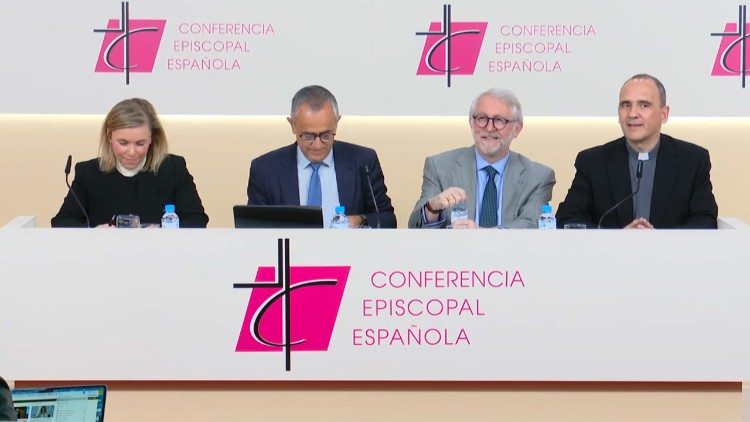
“Lift Up Your Eyes”: The Pope’s Trip to Spain is Being Prepared with Transparency and Social Support
Exaudi Staff
08 April, 2026
2 min
A Journey in the Light of Gaudí: Santiago Prepares for a Magical Afternoon of Literature and Art
Exaudi Staff
07 April, 2026
2 min

Poland: Another Step in the Coup d’État
Wlodzimierz Redzioch
07 April, 2026
5 min
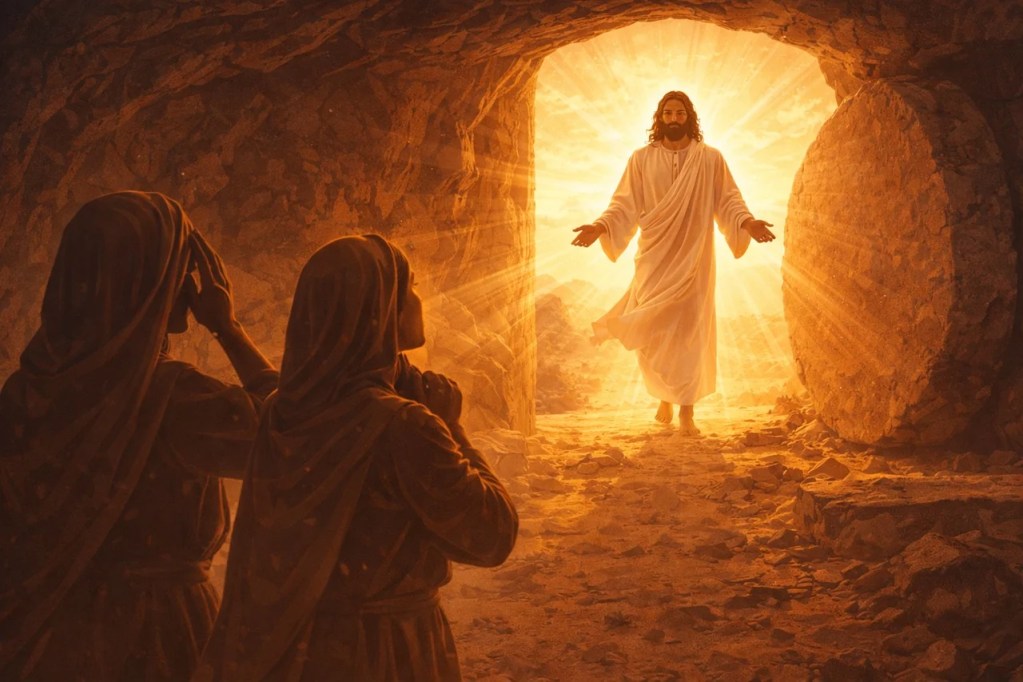
Reflection by Bishop Enrique Díaz: “This is the day of the Lord’s triumph”
Enrique Díaz
05 April, 2026
6 min