 (EN)
(EN)
 (ES)
(ES)
 (IT)
(IT)

Pope Leo XIV in Algeria: “Let us multiply the oases of peace”
The Pontiff calls for transforming the Mediterranean and the Sahara into places of encounter, not despair, denouncing violations of international law and neocolonial temptations
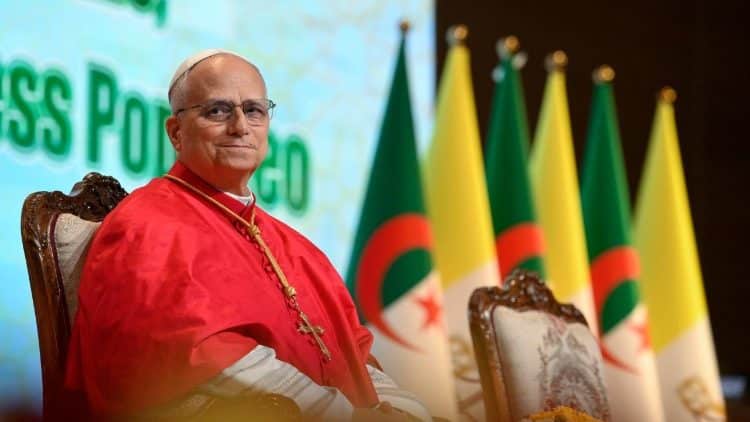

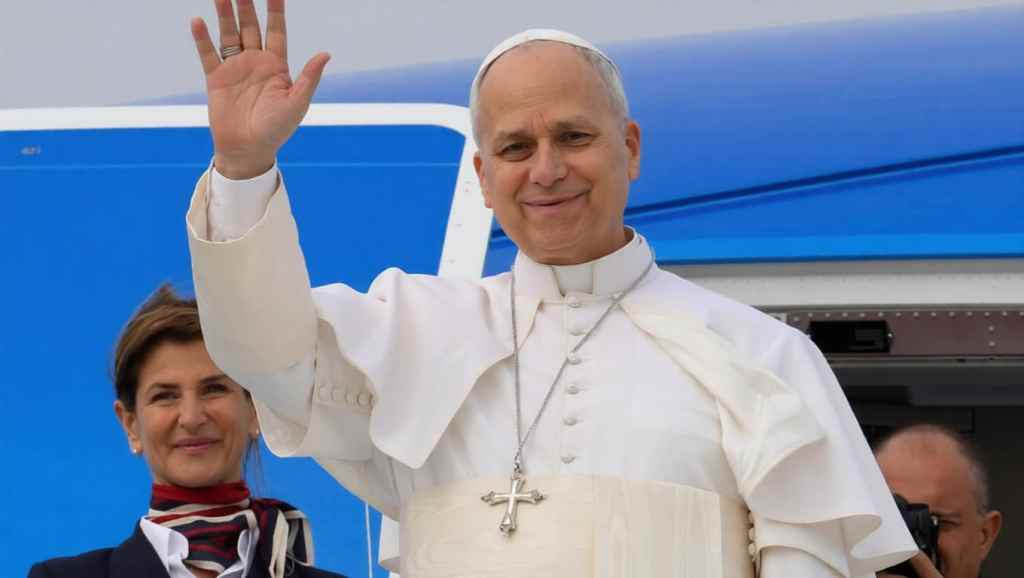
On the first day of his three-day apostolic visit to Algeria, Pope Leo XIV addressed civil authorities, civil society, and the diplomatic corps gathered at the Djamaa el Djazair Conference Center before some 1,400 people. Following a courtesy meeting with President Abdelmadjid Tebboune, the Pontiff delivered a speech filled with hope and resolve, in which he presented himself as a “pilgrim of peace” and recalled his personal connection to Algeria as a spiritual son of Saint Augustine.
“I come among you as a pilgrim of peace, eager to meet the noble Algerian people. We are brothers and sisters, because we have the same Father in heaven,” the Pope affirmed, highlighting the Algerian people’s culture of encounter and reconciliation, their hospitality, and their profound religious sense. He especially praised the practice of sadaka (almsgiving), whose root means “justice”: “Not keeping for oneself, but sharing what one has, is indeed a matter of justice. It is unjust who accumulates wealth and remains indifferent to others.” He added: “This vision of justice is both simple and radical, because it recognizes in the other the image of God. A religion without mercy and a society without solidarity are a scandal in the eyes of God.”
The Holy Father emphasized that the true strength of a country lies not in domination, but in the cooperation of all for the common good. “Authorities are not called to dominate, but to serve the people and their development. Political action finds its criterion in justice, without which there is no authentic peace,” he insisted, also citing the teachings of Benedict XVI and Francis on a globalization that benefits everyone and promotes social, political, and economic participation, especially of the excluded and young people.
One of the most powerful moments of the speech came when he evoked Algeria’s unique geography, nestled between the Mediterranean and the Sahara. “For millennia, the sea and the desert have been places of mutual enrichment between peoples and cultures. Woe to us if we turn them into cemeteries where hope itself dies!” he exclaimed. “Let us liberate these immense repositories of history and future from evil. Let us multiply oases of peace, denounce and eliminate the causes of despair, and combat those who profit from the misfortune of others.” He declared that profiting from speculation on human life, whose dignity is inviolable, is illicit.
Leo XIV did not shy away from the difficulties of the present: he denounced the “continuous violations of international law” and the “neocolonial temptations” that threaten coexistence. “Not by multiplying misunderstandings and conflicts, but by respecting the dignity of each person and allowing ourselves to be touched by the suffering of others, you can become protagonists of a new course in history, more urgent today than ever before,” he said. He called for education in critical thinking, freedom, listening, and dialogue, recognizing in those who are different a fellow traveler and not a threat. “We must work for the healing of memory and for reconciliation between former adversaries,” he proposed.
The Pope also reflected on the tensions between fundamentalism and secularization that affect Algerian society and many others: religious symbols can become “blasphemous languages of violence and oppression” or “empty signs in the vast consumer market that offers no satisfaction.” However, these absurd polarizations should not frighten us: they are a sign that we are living in “an extraordinary era of great renewal,” in which those who keep their hearts free and their consciences alert will be able to draw from spiritual traditions new ways of seeing the world and an unwavering purpose in life.
In closing, Leo XIV reiterated the Catholic Church’s desire to contribute to the common good of Algeria, reinforcing its identity as a bridge between North and South, East and West. He also turned his attention to young people, called to broaden the horizon of hope for all.
With this message, delivered on the same day he visited the Maqam Echahid Martyrs’ Monument, Pope Leo XIV launched a clear and urgent appeal from Algeria: that deserts and seas become reservoirs of life, encounter, and wonder, and not scenes of death and exploitation. It is a speech that invites slow reading, for it resonates like an echo of hope in a world that urgently needs oases of peace.
Address of the Holy Father:
APOSTOLIC JOURNEY OF POPE LEO XIV
TO ALGERIA, CAMEROON, ANGOLA AND EQUATORIAL GUINEA
(13–23 April 2026)
MEETING WITH THE AUTHORITIES, CIVIL SOCIETY AND THE DIPLOMATIC CORPS
ADDRESS OF HIS HOLINESS POPE LEO XIV
“Djamaa el Djazair” Conference Center (Algiers)
Monday, 13 April 2026
_____________________________
Mr President,
Distinguished Officials and Members of the Diplomatic Corps,
Ladies and Gentlemen,
I am deeply grateful for the invitation to visit Algeria, which came at the very beginning of my Petrine Ministry, and I thank you for your warm welcome! You know that, as a spiritual son of Saint Augustine, I have already visited Annaba twice: in 2004 and 2013. I am grateful for the mysterious plan of divine providence that has arranged for me to return here again as Successor of Peter. I am here among you as a pilgrim of peace, eager to meet the noble Algerian people. We are brothers and sisters, for we have the same Father in heaven. The profound religious sense of the Algerian people fosters a culture of encounter and reconciliation, of which my visit also seeks to be a sign. In a world full of conflicts and misunderstandings, let us meet and strive for mutual understanding, recognizing that we are all one family! Today, the simplicity of this awareness is the key to opening many doors that are closed.
Dear brothers and sisters, I am likewise here among you as a witness to the peace and hope that the world so ardently desires, and that your people have always sought. Indeed, your people have never been defeated by their trials because they are imbued with a spirit of solidarity, hospitality and community that is woven into the daily lives of millions of humble and upright people. They are the truly strong ones, to whom the future belongs: those who do not allow themselves to be blinded by power or wealth, and those who refuse to sacrifice the dignity of their fellow citizens for the sake of personal or collective gain. In this regard, I have heard from many how the Algerian people show great generosity toward both their fellow citizens and foreigners. This disposition reflects a hospitality deeply rooted in Arab and Berber communities, a sacred duty which we would hope to find everywhere as a fundamental social value. Similarly, almsgiving (sadaka) is a common and natural practice among you, even for those of limited means. The word sadaka can also mean justice, in the sense that we do not keep things for ourselves, but share what we have as a matter of justice. The one who accumulates wealth and remains indifferent to others is unjust. This view of justice is both simple and radical for it recognizes the image of God in others. Indeed, a religion without mercy and a society without solidarity are a scandal in God’s eyes. Yet many societies that consider themselves advanced are plunging ever deeper into inequality and exclusion. Africa knows all too well that people and organizations that dominate others destroy the world, which the Most High has created in order that we might all live together.
The difficult experiences that you have faced throughout history give your country a particularly important perspective on the global balance of power. If you are able to engage in dialogue regarding the concerns of all and show solidarity with the sufferings of so many countries near and far, then you will be able to contribute to both envisioning and bringing about greater justice among peoples. By respecting the dignity of everyone and allowing yourselves to be moved by the pain of others, instead of multiplying misunderstandings and conflicts, you can surely become protagonists of a new chapter in history. Today, this is more urgent than ever in the face of continuous violations of international law and neocolonial tendencies.
My predecessors already clearly perceived the epochal significance of this challenge. Benedict XVI observed that “the processes of globalization, suitably understood and directed, open up the unprecedented possibility of large-scale redistribution of wealth on a world-wide scale; if badly directed, however, they can lead to an increase in poverty and inequality, and could even trigger a global crisis” (Encyclical Letter Caritas in Veritate, 42). Pope Francis, drawing on his extensive experience of the tensions present in the Global South, highlighted the importance of what can be understood only on the peripheries of the great centers of power and decision-making. Pope Francis wrote, “What is needed is a model of social, political and economic participation ‘that can include popular movements and invigorate local, national and international governing structures with that torrent of moral energy that springs from including the excluded in the building of a common destiny’” (Encyclical Letter Fratelli Tutti, 169).
I therefore urge those of you who hold positions of authority in this country not to fear this outlook but to promote a vibrant, dynamic and free civil society, in which young people in particular are recognized as capable of helping to broaden the horizon of hope for all. The true strength of a nation lies in the cooperation of everyone in pursuing the common good. Authorities are called not to dominate, but to serve the people and foster their development. Political action thus finds its guiding criterion in justice, without which there can be no authentic peace, and is expressed in the promotion of fair and dignified conditions for all. The Catholic Church, too, through her communities and initiatives, wishes to contribute to the common good of Algeria, strengthening its distinctive identity as a bridge between North and South, and between East and West.
The Mediterranean, on the one hand, and the Sahara, on the other, represent geographical and spiritual crossroads of immense significance. If we delve into their history, free from simplifications or ideologies, we discover immense treasures of humanity hidden there. For the sea and the desert have been places of mutual enrichment among peoples and cultures for millennia. Woe to us if we turn them into graveyards where hope also dies! Let us free these tremendous reservoirs of history and of the future from evil! Let us multiply oases of peace; let us denounce and remove the causes of despair; and let us oppose those who profit from the misfortune of others! For illicit are the gains of those who exploit human life, whose dignity is inviolable. Let us, then, unite our strength, spiritual energy, intelligence and resources, so that the land and the sea may become places of life, encounter and wonder. May their majestic beauty touch our hearts; may their boundless expanse prompt us to reflect on transcendence. The Mediterranean, the Sahara and the vast sky above them whisper to us that reality surpasses us on all sides, that God is truly great, and that everything lives in his mysterious presence.
This insight has enormous consequences for our understanding of reality, yet many today underestimate its significance. On closer inspection, Algerian society too is familiar with the tension between religious sensibility and modern life. Here, as across the world, opposed dynamics of fundamentalism and secularization tend to manifest themselves, causing many to lose an authentic sense of God and of the dignity of all his creatures. Consequently, religious symbols and words can become, on the one hand, blasphemous languages of violence and oppression, or on the other, empty signs in the immense marketplace of consumption that does not satisfy us.
These absurd polarizations, however, must not dishearten us. They must be confronted with intelligence. They are a sign that we are living in an extraordinary time of great renewal, in which those who keep their hearts free, and their consciences alert, can draw from the great spiritual and religious traditions new ways of seeing the world and an unshakable purpose in life. We must educate people in critical thinking and freedom, in listening and dialogue, and in the trust that leads us to recognize in those who are different fellow travelers and not threats. We must work together toward the healing of memory and reconciliation among former adversaries. This is the gift I desire for you, for Algeria, and for all of its people, upon whom I invoke the abundant blessings of the Most High.

Exaudi Staff
What is Exaudi News? Exaudi News is an international Catholic media outlet that informs, shapes, and transforms daily in Spanish, English, and Italian. Through news, analytical articles, and live broadcasts of the Pope's events, Exaudi seeks to strengthen Christian unity and contribute to the evangelization of the world, always guided by the Church's social doctrine. We work to bring Christian truth and values to every corner of the planet. Help us transform the world with Exaudi! At Exaudi, we believe that evangelization and quality information can change lives. To continue our mission and expand our reach, we need your help. In addition, we are looking for committed people to join our team. With your support, we will reach more people, spread the message of Christ, and strengthen Christian unity. Will you join our mission? For more information on how to collaborate, visit Exaudi.org or contact us directly: [email protected] Exaudi: Informs, educates, and transforms.
Related
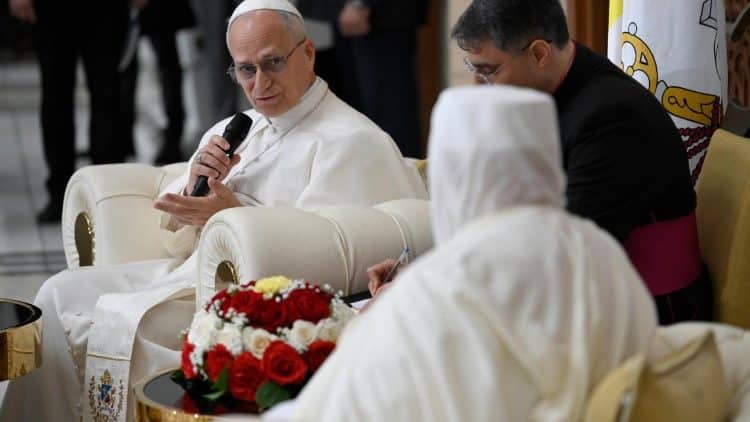
Pope Leo XIV enters the Grand Mosque of Algiers and delivers a message that resonates beyond religions
Exaudi Staff
13 April, 2026
11 min
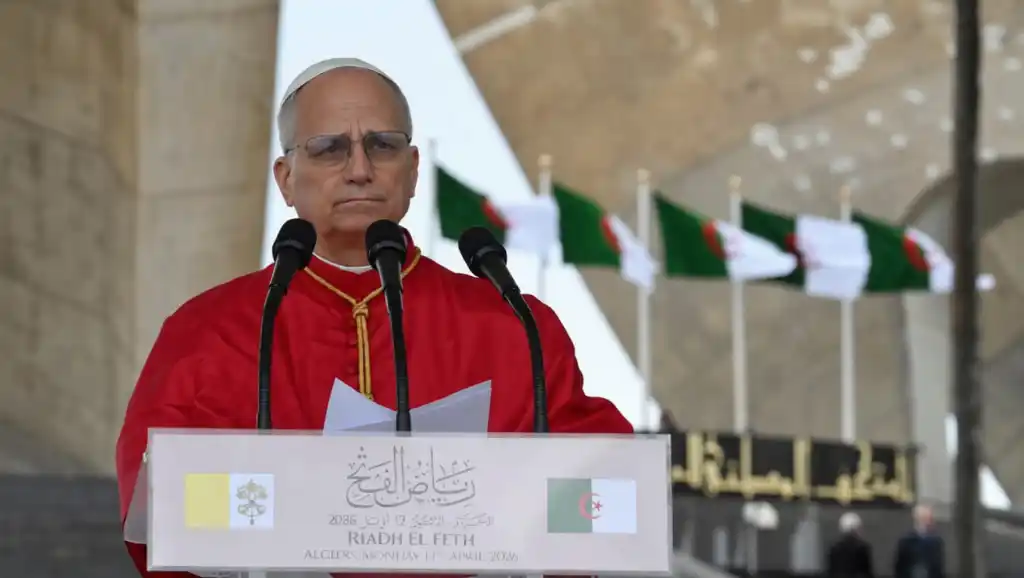
Pope Leo XIV in Algeria: Memory, Forgiveness, and Peace
Exaudi Staff
13 April, 2026
6 min
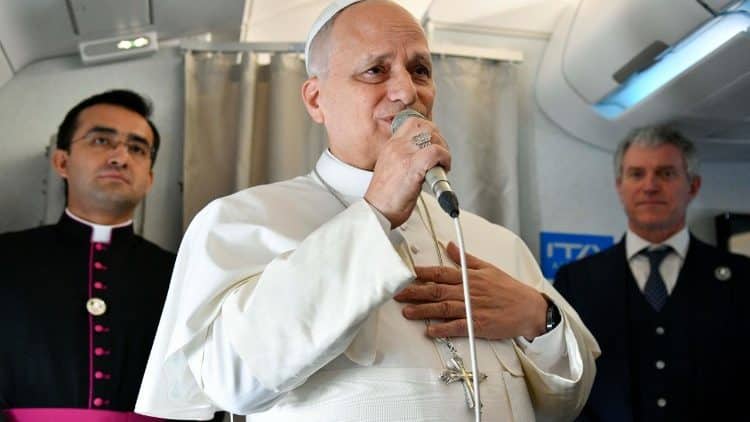
Leo XIV: “I am not a politician, I speak of the Gospel”
Exaudi Staff
13 April, 2026
3 min
Pope Leo XIV in Algeria: He begins his third apostolic journey to Africa
Exaudi Staff
13 April, 2026
3 min