 (EN)
(EN)
 (ES)
(ES)
 (IT)
(IT)

Decent Housing: The Great Social Challenge in Light of the Social Doctrine of the Church
An interdisciplinary analysis and a call to action from the Church to address the housing crisis as a social emergency and a fundamental right
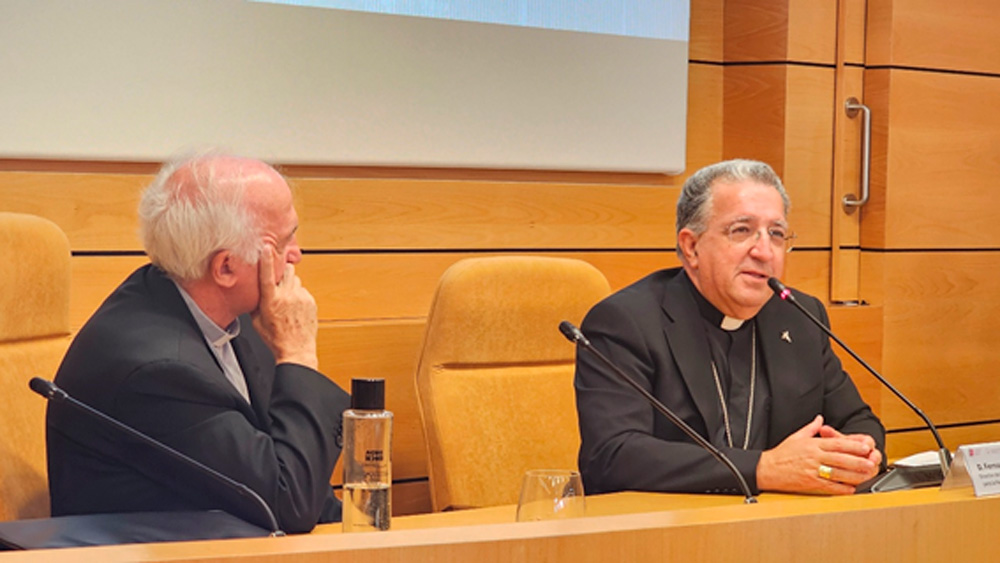

We reproduce below the speech of the president of the Pablo VI Foundation, Monsignor Ginés García Beltrán, for the closing of the Course on the Social Doctrine of the Church, -organized jointly by the Episcopal Commission for Social Pastoral and Human Promotion, the Pablo VI Foundation and the Faculty of Political Sciences and Sociology of the UPSA-, which, in its 30th edition, has addressed the housing crisis. A “social emergency”, as the president himself has described it, whose approach commits everyone: public institutions, the private sector, individual and collective responsibility, and the Church itself, which finds in the Social Doctrine of the Church a guide for its analysis and possible solutions. The course has featured numerous experts who have provided an interdisciplinary approach: law, politics, economics, theology, ethics, and sociology. The data from the new FOESSA report , which will be presented in November, has been released, as well as experiences of supporting the homeless and those facing eviction, both within and outside the Church. All of this has given rise to a wealth of material for reflection, not only for observation, but also for taking action in the face of a situation that has become the great challenge of our time.
A social emergency
Thirty years of reflection, formation, and commitment speak to a fruitful journey in the service of the Gospel amid the challenges of our time. And this year, the theme that has brought us together— housing, the great challenge of our time —emphasizes a painfully current reality that challenges us and calls us to live in justice and solidarity.
Housing as a right and as a community vocation
Housing is not just an economic asset or an urban resource. It is, above all, the place where family intimacy is built, where life germinates, where we learn, dream, and suffer. Based on the Social Doctrine of the Church, we affirm that access to decent housing is a fundamental human right. It cannot be considered a luxury or a privilege, but a basic requirement of human dignity.
From Genesis, where God establishes a home for Adam and Eve, to the prophetic texts that call for justice for the poor, the concept of home is deeply linked to dignity, protection, and a sense of belonging. The family, in this context, is not only a social institution but a community of love and support in which spiritual values are transmitted, and divine care is reflected. Housing is not seen merely as a physical structure, but as the environment where family ties flourish and faith is cultivated.
The Church, in her preferential option for the poor, urges us to look at this reality from the margins, from those who live in substandard housing, from families forced out by speculation, from young people without access to rent, from the elderly who live alone, and, above all, from those whom indifference has rendered invisible.
Reading from the Magisterium of the Church
During the sessions of this course, you have heard expert voices who have addressed the housing phenomenon from multiple perspectives: economic, sociological, political, theological. I now think about the evolution of the real estate market, the impact of public policies, the growth of housing exclusion, and I also want to consider the city model we are building and how it directly affects people’s overall well-being.
Let us recall the Magisterium, from Populorum Progressio to the encyclical Fratelli Tutti, which calls us to develop open, inclusive and supportive communities.
The view from our parishes
But beyond the data and diagnoses, the Church is nourished by the concrete life of our communities. And in our parishes, in poor neighborhoods and urban peripheries, we witness how the housing problem becomes a daily tragedy. Families come to us because they have lost their homes, or those who come from other places and have difficulty finding one, or those who have jobs but cannot find one because of the prices. The scenario is very varied.
From there, the Church acts, not as an urban planning expert, but as a mother who welcomes and comforts. Our volunteers, social workers, priests, and lay people become channels of hope. Because the Gospel always has something to say: it has a face, it has hands, and it dwells among the poor.
Ecclesial commitment to this challenge
We concluded this course with the conviction that the housing problem cannot wait. It is not just a technical issue: it is a moral urgency. Pope Francis reminds us that “homelessness implies the denial of the most basic rights. And, as a Church, we are called to denounce this injustice, to promote alternatives, and to support the most vulnerable.”
In the face of the housing crisis affecting so many people, we cannot help but ask: what role should Christians play in this situation? Without a doubt, following the Lord’s example, we have an ethical responsibility to act. This may involve supporting social housing initiatives, opening spaces for dialogue and community service; advocating for just policies, reaching out to the homeless, and offering time and resources to transform realities. Christian involvement is a living expression of the commandment to love one’s neighbor.

Exaudi Staff
What is Exaudi News? Exaudi News is an international Catholic media outlet that informs, shapes, and transforms daily in Spanish, English, and Italian. Through news, analytical articles, and live broadcasts of the Pope's events, Exaudi seeks to strengthen Christian unity and contribute to the evangelization of the world, always guided by the Church's social doctrine. We work to bring Christian truth and values to every corner of the planet. Help us transform the world with Exaudi! At Exaudi, we believe that evangelization and quality information can change lives. To continue our mission and expand our reach, we need your help. In addition, we are looking for committed people to join our team. With your support, we will reach more people, spread the message of Christ, and strengthen Christian unity. Will you join our mission? For more information on how to collaborate, visit Exaudi.org or contact us directly: [email protected] Exaudi: Informs, educates, and transforms.
Related

The Sea of Grace that Floods the World
Javier Ferrer García
12 April, 2026
7 min
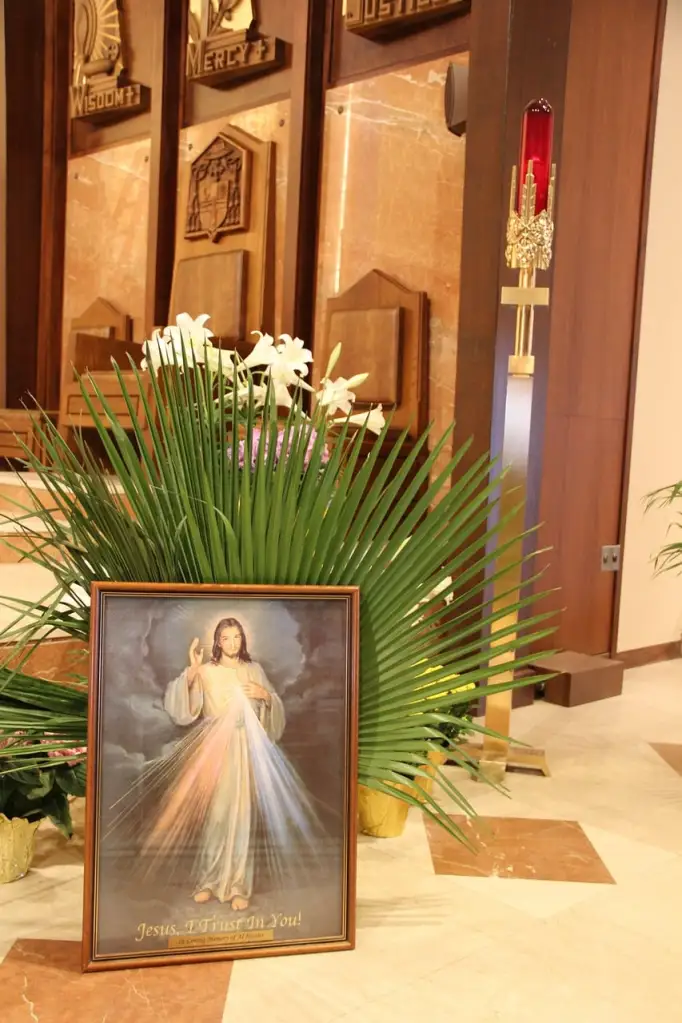
Reflection by Bishop Enrique Díaz: The Lord’s mercy is eternal. Alleluia
Enrique Díaz
12 April, 2026
5 min
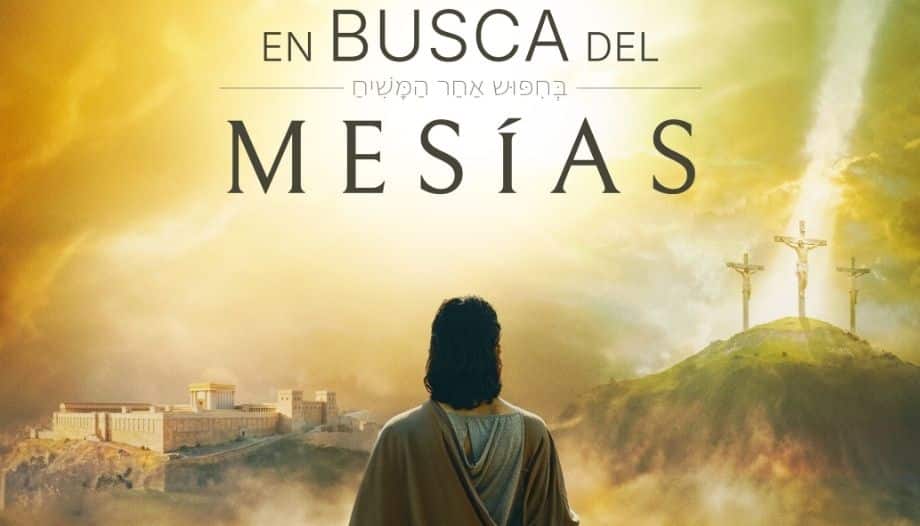
“In Search of the Messiah”: The documentary that reveals how Judaism finds its fulfillment in Christ
Exaudi Staff
11 April, 2026
4 min
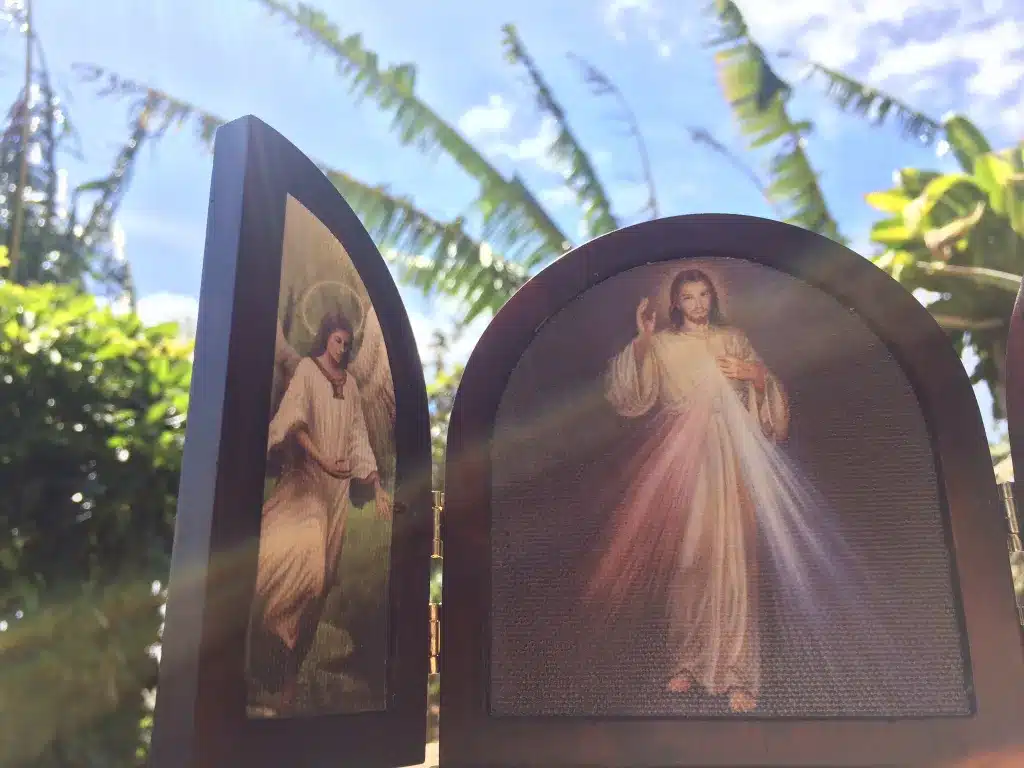
On the Eighth Day Jesus Arrived: Commentary by Fr. Jorge Miró
Jorge Miró
11 April, 2026
3 min