(EN)
(EN)
 (ES)
(ES)
 (IT)
(IT)

Cardinal Arizmendi: Power Obscures
Let us not be slaves to money and power

Cardinal Felipe Arizmendi, Bishop Emeritus of San Cristóbal de Las Casas and head of the Doctrine of the Faith at the Mexican Episcopal Conference (CEM), offers Exaudi readers his weekly article.
FACTS
Mr. Donald Trump, the current President of the United States of America, with all the economic and military power his country possesses, imagines he can do and undo whatever he wants, both inside and outside his country. He has his obsessions and seeks to impose his will on everyone, without regard for individuals. He wants to manage the global economy, thinking only of his personal and national interests. He disrespects the autonomy of some countries and imagines he can change the course of history just because he so decides. He doesn’t care about the many migrants who are good people and contribute to the progress of their country, simply because they don’t have the necessary legal documents. So much power blinds his mind and heart!
Mr. Netanyahu, Prime Minister of Israel, with the good intention of defending his country from Hamas terrorist attacks and rescuing its hostages, ignores the many deaths and malnutrition caused by his military actions in the Gaza Strip. He intends to invade Palestinian territories and would like Palestine to disappear as a free and independent country, in order to annex its territory to Israeli rule. His military power blinds him to the harm he is causing to the Palestinians, as if they were all terrorists!
The same thing happens in other countries and in other environments. Our federal authorities fail to see that 87% of Mexicans disapproved of the last election of judges and magistrates; they only highlight the 13% who supported them, many of whom benefited from their social programs. Their absolute power blinds them! They don’t see the mistakes and corruption of their own coreligionists. The previous president failed to recognize the seriousness of organized crime, which some described as authorized.
The various criminal groups try to impose their territorial dominance to obtain more money, to traffic more drugs, to extort more people. They don’t see beyond this; they don’t grasp the injustices they commit; they don’t mind risking their own lives to achieve their goals, to feel powerful and masters, even in politics. The current federal authorities are doing everything possible to put an end to these groups, but their blind obsession with power and money seems to make it impossible to get out of this rut we’ve fallen into. And something similar happens in families, neighborhoods, towns, cities, and even in churches: those who hold a position or have the most financial resources consider themselves the only ones who know and can do whatever they see fit, without considering other opinions and other rights.
LIGHTNING
Pope Francis, in his exhortation Evangelii gaudium, says:
“One of the causes of this situation lies in the relationship we have established with money, since we peacefully accept its dominance over us and our societies. We have created new idols. The worship of the ancient golden calf has found a new and ruthless version in the fetishism of money and in the dictatorship of the economy, faceless and without a truly human purpose” (EG 55).
“A new, invisible, and sometimes virtual, tyranny is being established, imposing its laws and rules unilaterally and implacably. The desire for power and possessions knows no bounds” (EG 56).
“Behind this attitude lies the rejection of ethics and the rejection of God. Ethics is often regarded with a certain mocking disdain. It is considered counterproductive, too human, because it relativizes money and power. It is perceived as a threat, because it condemns manipulation and the degradation of the person. Ultimately, ethics leads to a God who expects a committed response that is outside the categories of the market. For these, if absolutized, God is uncontrollable, unmanageable, even dangerous, for he calls human beings to their full realization and independence from any kind of slavery. Ethics—an ethics that is not ideologized—makes it possible to create a more humane social balance and order. In this regard, I encourage financial experts and the leaders of countries to consider the words of Saint John Chrysostom: “To fail to share one’s possessions with the poor is to rob them and take their lives. Our possessions are not ours, but theirs” (EG 57).
ACTIONS
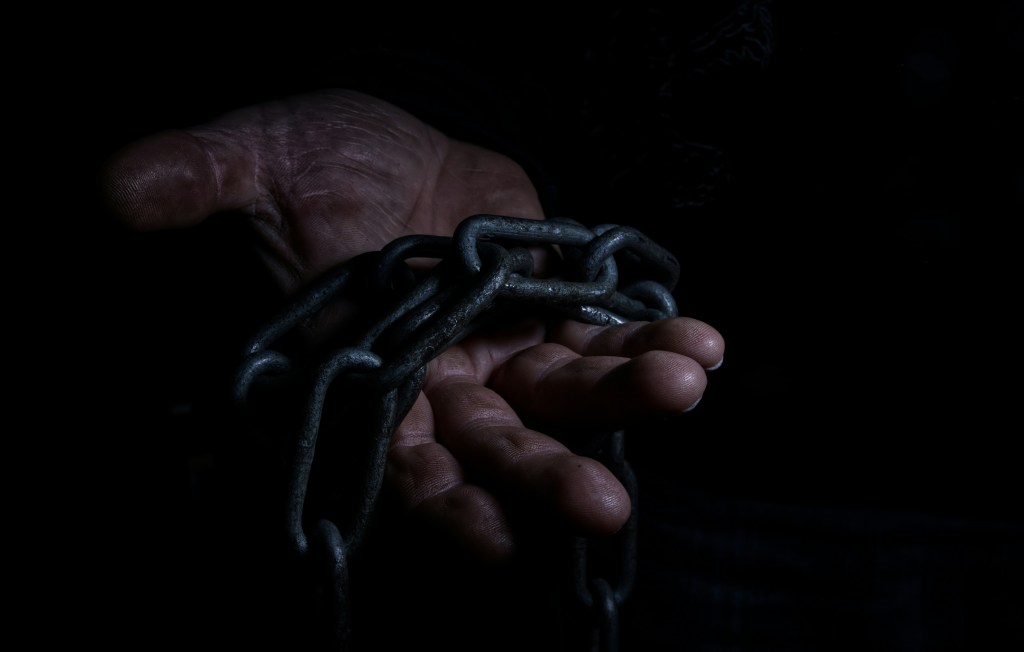
Let us not be slaves to money and power. Our lives acquire full and satisfying meaning if we put our position or the resources we have at the service of others: our family, our community, our country, and the world.

Cardenal Felipe Arizmendi
Nacido en Chiltepec el 1 de mayo de 1940. Estudió Humanidades y Filosofía en el Seminario de Toluca, de 1952 a 1959. Cursó la Teología en la Universidad Pontificia de Salamanca, España, de 1959 a 1963, obteniendo la licenciatura en Teología Dogmática. Por su cuenta, se especializó en Liturgia. Fue ordenado sacerdote el 25 de agosto de 1963 en Toluca. Sirvió como Vicario Parroquial en tres parroquias por tres años y medio y fue párroco de una comunidad indígena otomí, de 1967 a 1970. Fue Director Espiritual del Seminario de Toluca por diez años, y Rector del mismo de 1981 a 1991. El 7 de marzo de 1991, fue ordenado obispo de la diócesis de Tapachula, donde estuvo hasta el 30 de abril del año 2000. El 1 de mayo del 2000, inició su ministerio episcopal como XLVI obispo de la diócesis de San Cristóbal de las Casas, Chiapas, una de las diócesis más antiguas de México, erigida en 1539; allí sirvió por casi 18 años. Ha ocupado diversos cargos en la Conferencia del Episcopado Mexicano y en el CELAM. El 3 de noviembre de 2017, el Papa Francisco le aceptó, por edad, su renuncia al servicio episcopal en esta diócesis, que entregó a su sucesor el 3 de enero de 2018. Desde entonces, reside en la ciudad de Toluca. Desde 1979, escribe artículos de actualidad en varios medios religiosos y civiles. Es autor de varias publicaciones.
Related
Pope Leo XIV gives a gentle but clear rebuke to the media: “Not everything is a response to Trump”
Valentina Alazraki
19 April, 2026
3 min
Pope Leo XIV in Douala: An Urgent Appeal Against Hunger and Poverty in the Economic Heart of Cameroon
Valentina Alazraki
19 April, 2026
3 min
Pope Leo XIV reaches the heart of the conflict in Bamenda: a cry for peace amidst blood and suffering
Valentina Alazraki
17 April, 2026
4 min

Can kindness transform the world?
Tomasa Calvo
17 April, 2026
6 min
Newsletter
Every month, Exaudi touches the lives of many through training, truth, and support
Join our communication channels and share them.