(EN)
(EN)
 (ES)
(ES)
 (IT)
(IT)

Truth and Word in Saint Augustine
From Thought to Faith


Saint Augustine says at the end of Book I of his Confessions: “In my thoughts about small things, I delighted in the truth. I did not want to be deceived, I enjoyed a good memory, I was instructed in speech, I was softened by friendship, and I shunned pain, exclusion, and ignorance. What was there in a being of this nature that was not admirable and praiseworthy? Now, all these are gifts from my dear God. I have not granted them to myself (I, 20, 31; Gredos, 2010).” A precise and beautiful synthesis of the Augustinian way of saying things.
Saint Augustine, in his continual intellectual wanderings (Manichaeism, Cicero’s Hortensius, the Neoplatonists and Academics, the Holy Scriptures), never stopped until he found the truth in which he delighted. What he found along the way fell short. Both in Hortensius and in the writings of the Academics, the salutary name of Christ was missing. For a time, González Niño comments (Saint Augustine, Pilgrim of God; Saint Paul, 2018), the Manichean idea of the body as darkness and the soul as light served to evade his responsibility for the moral disorders of his life.
His encounter with Saint Ambrose in Milan sets him on the path to an encounter with the Christian God. At first, he admires Ambrose only for his rhetoric: “For my part, I began to esteem him, but initially I did not regard him as a teacher of truth, for I had not the slightest hope of finding it in your Church. I appreciated him especially for his kindness to me […]. Out of professional interest, I listened to his public debates, but without the appropriate disposition. I wanted to see if his eloquence was as brilliant as people said, or perhaps more or less so. I hung on to his words, but had very little interest in their content, which I actually disdained, while standing there listening to the fluidity of his discourse (V, 13, 23) (p. 39).” He focuses on the words and not on the reality they express, a small but essential step in shaping truth as the adequacy of the thing with the word.
“It will be the Gospel of Saint Matthew that impresses him the most,” writes González Niño, “with its parabolic invitation to seek, knock, and question (Mt 7:7; I:1:1). This triad will be the motto that frames his story from beginning to end. Reading, previously motivated by the satisfaction of his vainglory or insatiable curiosity, becomes an intense desire to discover the meaning of the sacred text and reorient his life in a new direction. And what seems like small progress is actually the beginning of a longed-for certainty (p. 47).” Speaking is no longer intellectual gymnastics for Saint Augustine; his words and his writings now touch the flesh. He understands that each person is a unity of being, knowing, and willing. He now places his life experience, marked by light and shadow, at the service of God. His sharp and accurate words cut through the errors of the Pelagians and Donatists. Touched by the fire of love for God, he will put into play the gifts he received to transmit, in his countless sermons and letters, the Truth that he was given to touch.
I think of the personal and collective existence of the human adventure, traversed between the earthly city and the city of God. It seems that the former, shaped by self-love to the point of contempt for God, is far ahead. A forgetfulness of God and an enjoyment of everything possible here and now, for there would be no later. However, right in this same turbulent river, there is also the city of God, silent and hopeful, nourished by the good works of so many people who work for the happiness of the earth in order to enjoy the happiness of Heaven. The life of Saint Augustine reminds us that we are all journeyers and encourages us to lend our shoulders to the shaping of the city of God.

Francisco Bobadilla
Francisco Bobadilla es profesor principal de la Universidad de Piura, donde dicta clases para el pre-grado y posgrado. Interesado en las Humanidades y en la dimensión ética de la conducta humana. Lector habitual, de cuyas lecturas se nutre en gran parte este blog. Es autor, entre otros, de los libros “Pasión por la Excelencia”, “Empresas con alma”, «Progreso económico y desarrollo humano», «El Código da Vinci: de la ficción a la realidad»; «La disponibilidad de los derechos de la personalidad». Abogado y Master en Derecho Civil por la PUCP, doctor en Derecho por la Universidad de Zaragoza; Licenciado en Ciencias de la Información por la Universidad de Piura. Sus temas: pensamiento político y social, ética y cultura, derechos de la persona.
Related
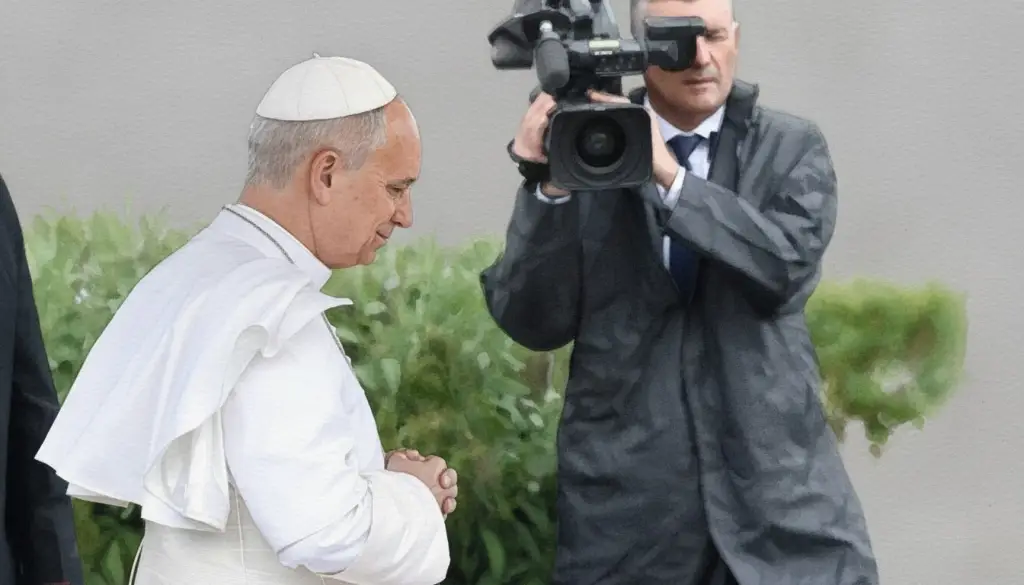
Pope Leo XIV in Algeria: An Emotional Return to the Roots of St. Augustine
Valentina Alazraki
15 April, 2026
3 min

Desires on the Surface
Francisco Bobadilla
15 April, 2026
3 min
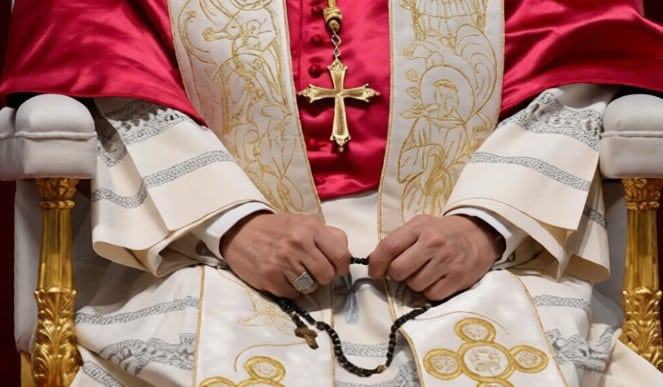
Peace Is Not a Utopia
Rodrigo Guerra López
14 April, 2026
2 min
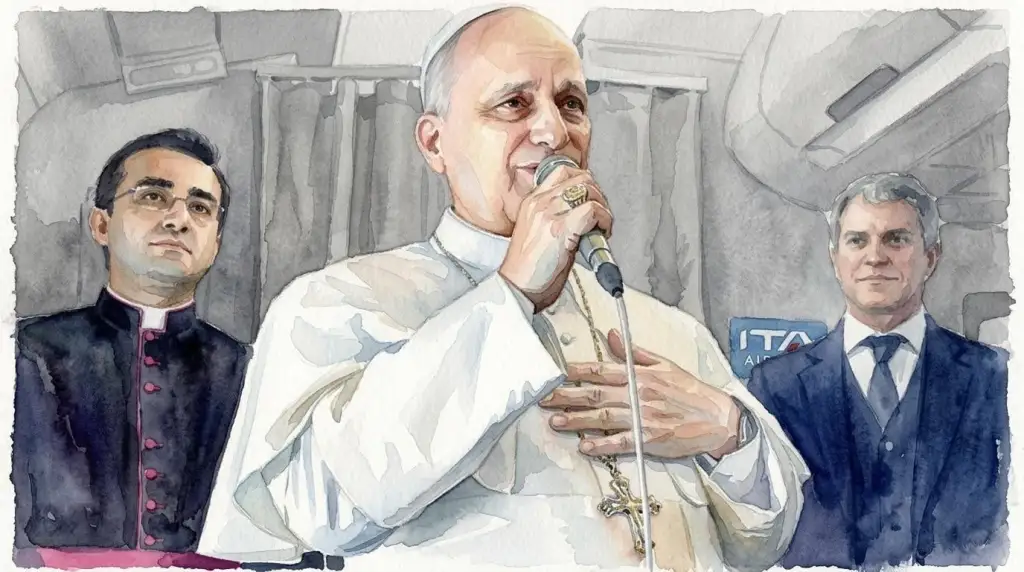
Trump lashes out at the Pope like never before
Valentina Alazraki
14 April, 2026
3 min
Newsletter
Exaudi reaches millions of people every month with training, truth, and support.
Join our communication channels and share them.