 (EN)
(EN)
 (ES)
(ES)
 (IT)
(IT)

The Priestly Vocation of Juan Sebastián: An Undeserved Gift from God
An Argentine Seminarian in Pamplona Responds to the Call to Be a "Fisher of Men"
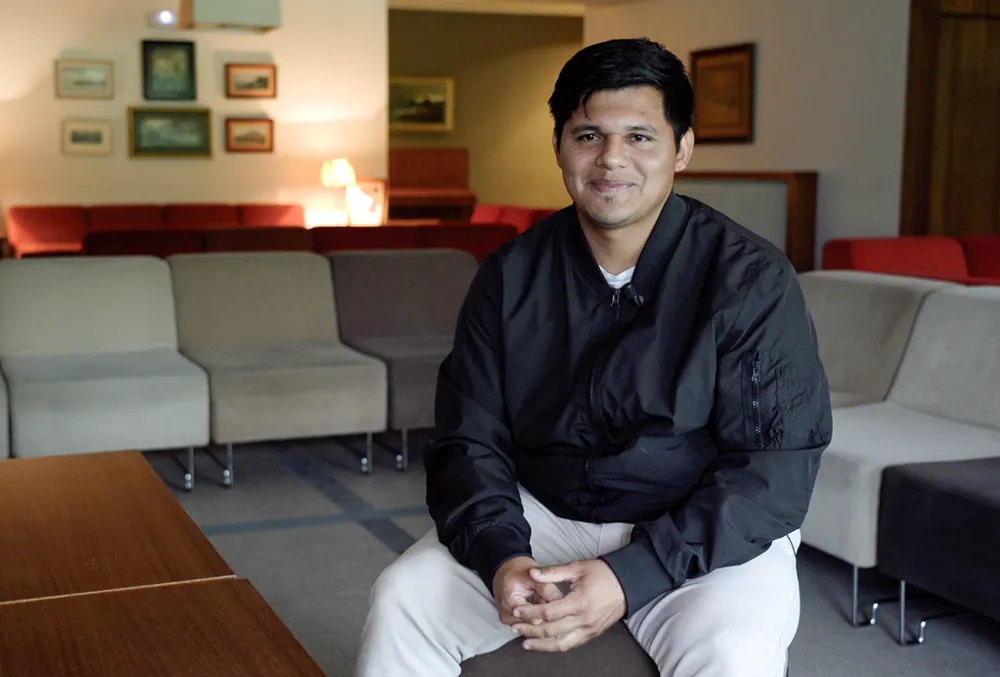

This young Argentine seminarian describes his vocation as an “undeserved gift,” a story of faith that led him to Spain to study in Pamplona and become a “fisher of men.”
Juan Sebastián Miranda (born in 1997) is an Argentine seminarian from the Diocese of San Roque. He emotionally explains that his vocation is an “undeserved gift,” a story that God wrote through ordinary people who, without knowing it, guided him toward Him.
He is in his third year of the Bachelor’s Degree in Theology at the Ecclesiastical Faculties of the University of Navarra and is in his second year of residence at the Bidasoa International Seminary, where he continues on the path that the Lord has laid out for him.
The path to the vocation of the eldest of six siblings
Juan is the oldest of six siblings. He knows what it means to share and compromise. He grew up in a Catholic family, although they weren’t practicing Catholics for many years.
“For some time now, by the pure grace of God, I’ve seen my family start attending Sunday Mass again,” he says with excitement.
Juan was studying Physical Education. “Amid the frenetic pace of the course, I also felt a yearning for the call to the priesthood.”
This seminarian recalls the specific moment that marked a turning point in his vocation. “It was the last day of the novena to the Immaculate Conception, patron saint of my parish. During those days, a preacher offered us a brief reflection before Mass and asked us to bring our Bibles.
That afternoon, I arrived discouraged, with no desire at all, and I only went because I was the youth group leader. I sat in the back pew, far away, with the Bible to one side, listening to the sermon in the background without paying much attention,” he tells us.
Suddenly, an inner voice said to him, “Open Luke 5:10.” John ignored it, but it repeated itself again: “Open Luke 5:10.” Again, he let it go. The third time he heard that voice insisting, he couldn’t help but open the New Testament and read the passage.
Luke 5:10 is a biblical verse where Jesus addresses Simon Peter after a miraculous catch of fish and says, “Do not be afraid; from now on you will be a fisher of men.”
Juan Sebastián recounts that at that time he lived with doubts about whether the Lord was calling him to be a priest. But that day, with those words, everything became clear. That verse illuminated everything. He felt God confirming what He wanted of him. “Since then, my life has been an attempt, imperfect but sincere, to respond to that call and fulfill His will.”
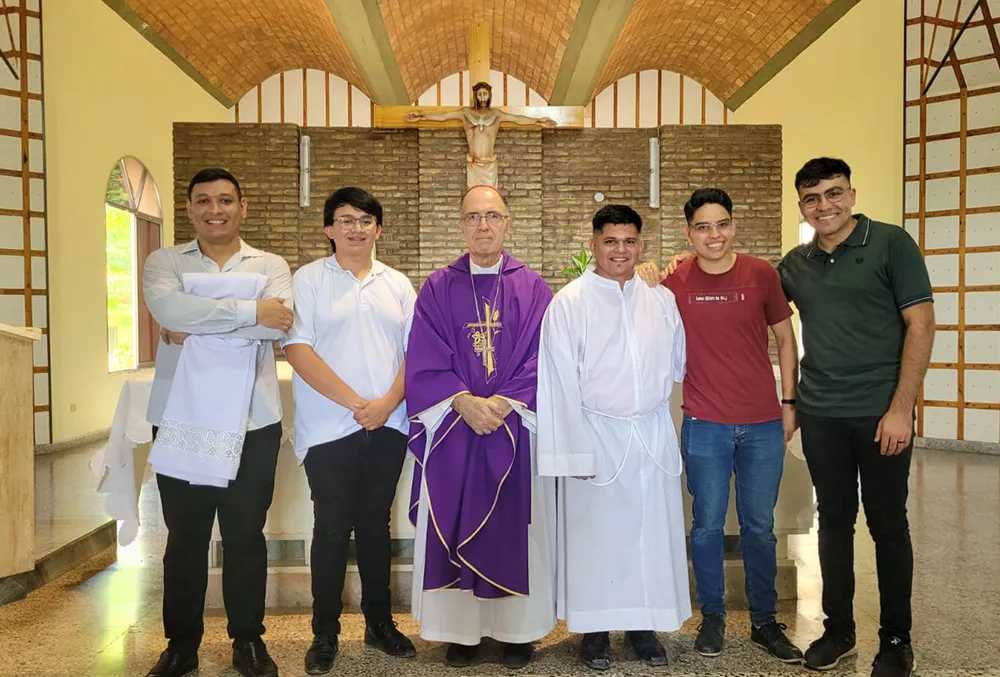
Be the priest of the world expects
On this path to the priesthood, he is very clear about what the world needs today, and they are priests who identify deeply with Christ.
“Prayer and intimacy with God cannot be neglected. Only a heart rooted in this relationship can respond to the needs of society and guide it along the path of hope,” Juan Sebastián emphasizes.
And so, this seminarian continues walking, with his limitations (like everyone else), but with the certainty that God is writing his story. “Every day I ask Him to help me be faithful, so that His strength may be revealed in my weakness,” he adds.
The challenges of his diocese in San Roque
Juan is training in Spain to return to his diocese in San Roque, a very large district: it has 24 parishes, each with large rural areas and numerous communities.
“My parish serves about 25,000 people, plus ten rural communities, and only has one priest.” In total, the diocese has more than 500,000 faithful, served by just 41 priests, including diocesan, missionary, and religious priests.
For this reason, priestly training is essential, above all, to address another challenge that is taking hold in the region: the growth of Protestantism.
“One of our greatest challenges is reaching places where daily Mass cannot be celebrated due to a shortage of priests. It’s also very important to accompany young people who, in a society marked by individualism , seek to fill their existential emptiness with social media and the constant need to be seen, without finding any profound meaning in life,” he expresses with concern.
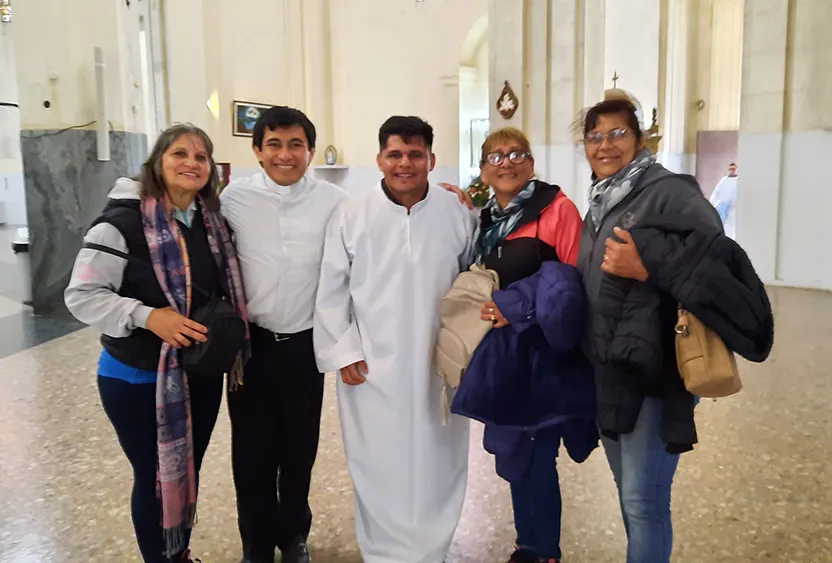
Evangelizing in a secularized society
For Juan Sebastián, the prevailing individualism in society is a problem that requires a paradigm shift. And in this shift, it is vital that Christians demonstrate to the world that they are not called to live in isolation, but to reach out to others.
“In a society that is moving away from God and adapting the truth to its own convenience—sometimes out of ignorance—close and communal witness is more necessary than ever,” he says.
During these years in Spain, he has noticed that, in general, the people are quite religious, especially the older ones. He has observed this appreciation for traditions, such as the Holy Week processions.
Juan is at Bidasoa, an international seminary located in Pamplona. “It’s a place where a global family comes together, where one meets other brothers who share the same faith, the same passion for wanting to serve the Lord through the call to the priesthood.”
“I think it would be wonderful if that same passion for Holy Week were also experienced in the Eucharist, in Confession, and in the sacraments. In my country, we don’t have that same cultural expression, so for me, it’s been something new and enriching,” concludes Juan Sebastián, hoping to return to Argentina with strength and enthusiasm.

Fundación CARF
Trabajamos para llevar la sonrisa de Dios a todos los rincones del mundo a través de los sacerdotes y ayudando a su formación. Gracias a nuestros benefactores, ayudamos a la formación de los sacerdotes, difundimos su buen nombre y rezamos por su fidelidad y las vocaciones. Trabajamos para servir a la Iglesia y que ninguna vocación se pierda y luego ellos puedan transmitir en su labor pastoral toda la luz, ciencia y doctrina recibida. Académico Las licenciaturas, programas de especialización o doctorados, otorgan a cada candidato una formación específica en Teología, Filosofía, Derecho Canónico o Comunicación Social Institucional. Espiritual Los seminaristas y sacerdotes complementan su formación académica y humana con la espiritual, ya que deben estar preparados para seguir su vocación y prestar su cuerpo y su espíritu al Señor. Humano A través del ambiente de familia y de preparación, se consigue el desarrollo de actitudes, capacidades y valores que impactan en el crecimiento personal y social de los sacerdotes.
Related

The Sea of Grace that Floods the World
Javier Ferrer García
12 April, 2026
7 min
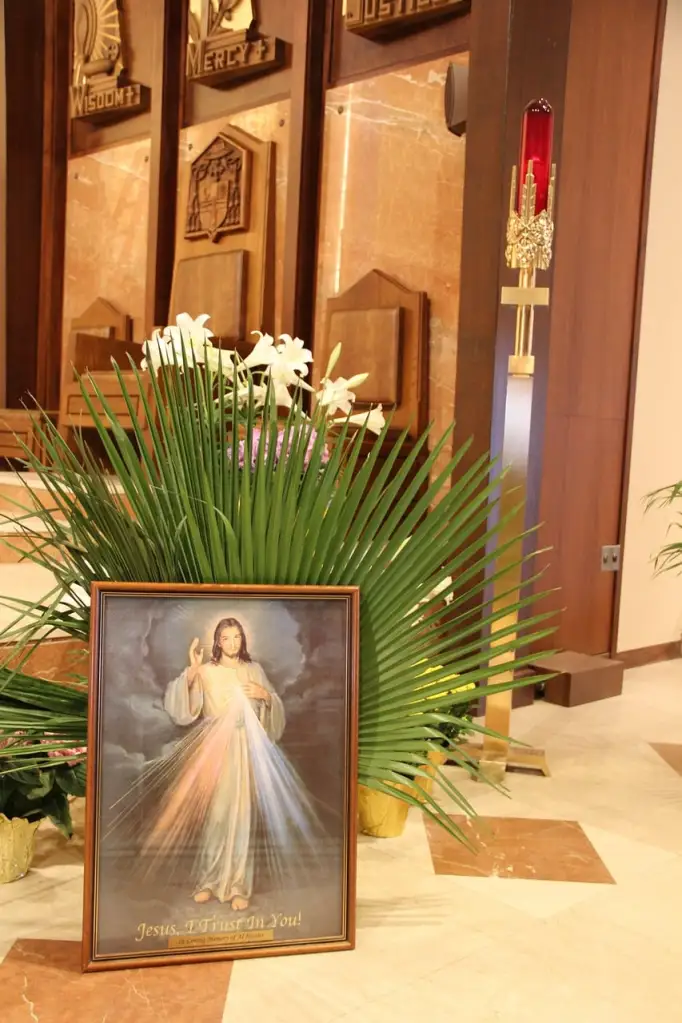
Reflection by Bishop Enrique Díaz: The Lord’s mercy is eternal. Alleluia
Enrique Díaz
12 April, 2026
5 min
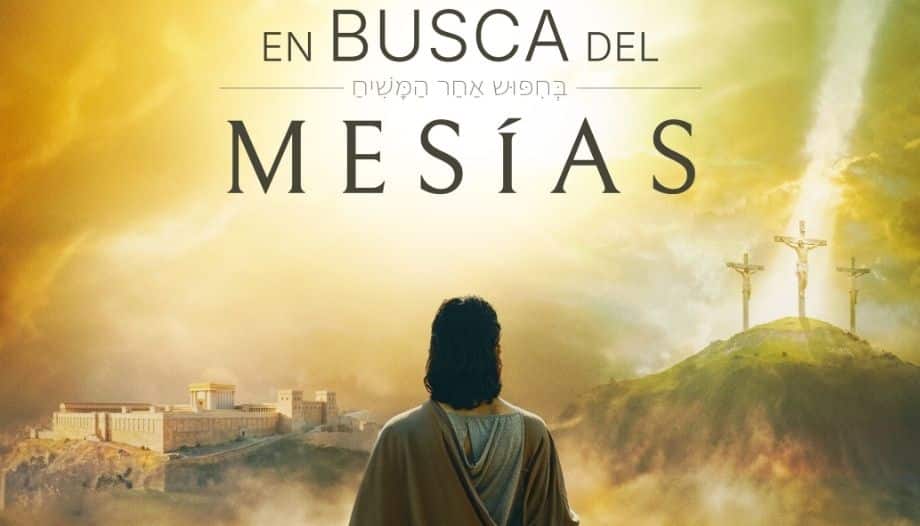
“In Search of the Messiah”: The documentary that reveals how Judaism finds its fulfillment in Christ
Exaudi Staff
11 April, 2026
4 min
On the Eighth Day Jesus Arrived: Commentary by Fr. Jorge Miró
Jorge Miró
11 April, 2026
3 min