(EN)
(EN)
 (ES)
(ES)
 (IT)
(IT)

The Gift of the Theology of the Body
The legacy of Saint John Paul II for rediscovering the beauty of the human being


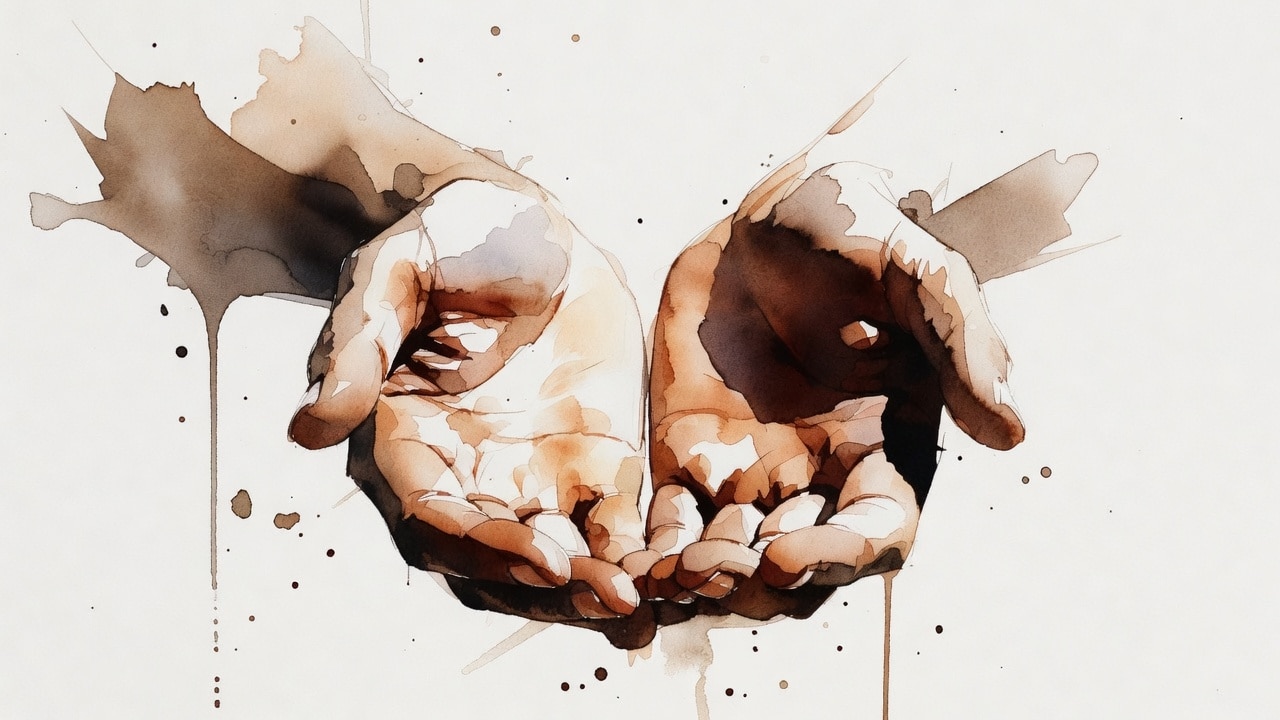
Between September 1979 and November 1984, Saint John Paul II delivered a series of 129 catecheses during the Wednesday general audiences, which were subsequently compiled under the title Theology of the Body. What initially seemed like just another teaching during his pontificate eventually became an invaluable treasure for the Church and the entire world.
These catecheses are not simply reflections on sexuality or morality, but a profound invitation to understand what it means to be a man or a woman in light of God’s plan. Saint John Paul II challenged his listeners to look beyond the superficial and discover the intrinsic dignity of the human person: a being created for communion, love, and self-giving.
The body: language and mystery
The Pope taught that the body is a language that communicates profound truths about our identity and vocation. Like all languages, it can be misinterpreted or manipulated, but it can also reveal a person’s most intimate truth: their capacity to love and be loved. Quoting Redemptor Hominis , he recalled that “man cannot live without love. He remains an incomprehensible being to himself; his life is meaningless if love is not revealed to him.”
In other words, love is not a luxury or an add-on to human life: it is its essence. The Theology of the Body teaches us that human love, lived authentically, reflects the call to go out of oneself and give one’s life for the other, following the model of Christ who gave himself completely (cf. Jn 15:13).
The body as a sacrament
Beyond being a simple instrument or object of use, the body is a sacrament: a visible sign of the invisible. Every gesture of authentic love, every union that respects the dignity of another, points to the greatest mystery: the eternal communion of God in the Holy Trinity. Therefore, the union of man and woman in faithful and fruitful love is a concrete participation in this divine mystery (cf. Eph 5:31-32).
An integral anthropology
The Theology of the Body does not limit itself to addressing questions of sexual morality; it offers a complete Christian anthropology. It illuminates the vocation of marriage, the beauty of consecrated virginity, the depth of friendship, and, ultimately, the universal vocation of every human being: to live in love, to be a sign of the gift, and to discover that fulfillment is achieved through giving oneself to another.
In this first introductory article, we have barely scratched the surface of this monumental work. Throughout this series, we will explore its teachings in more detail, discovering how the Theology of the Body remains a luminous guide for living humanity with dignity, joy, and hope.

Patricia Jiménez Ramírez
Soy una mujer comprometida con mi familia, con una sólida experiencia empresarial y una profunda dedicación al hogar. Durante años trabajé en diversos entornos empresariales, liderando equipos y gestionando proyectos de impacto. Sin embargo, en los últimos años he tomado la decisión de centrarme en mi hogar y dedicar más tiempo a mi marido e hijos, quienes son mi mayor prioridad. Mi experiencia en el ámbito empresarial me ha brindado valiosas habilidades en gestión del tiempo, organización, liderazgo y resolución de problemas, que ahora aplico en mi vida familiar para fomentar un ambiente armonioso y saludable para todos
Related
Learning to See the Passion with the Eyes of the Heart
Patricia Jiménez Ramírez
13 March, 2026
5 min

Joy in the face of adversity is the mark of holiness
Laetare
13 March, 2026
3 min
God at the Heart of Business Success
Javier Ferrer García
11 March, 2026
7 min

The Rebirth of Faith
Exaudi Staff
11 March, 2026
6 min