(EN)
(EN)
 (ES)
(ES)
 (IT)
(IT)

The Enigma of Suicide That Guilt Seeks to Explain
The mystery of suicide, beyond guilt and simplistic judgments
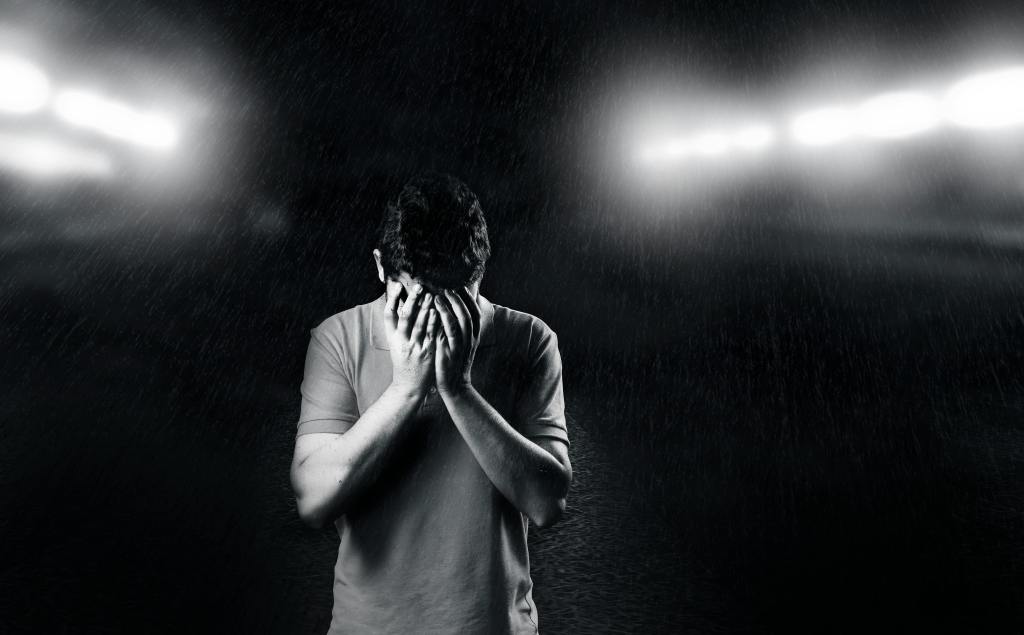

A young priest, accepted by the community and leading a dedicated life, died from the injuries he sustained that led to his death. Almost simultaneously, the news of the priest’s death by suicide of a French deputy came to light.
The reaction and comments generally revolve around blame. The blame lies with the society that provokes it, with a lifestyle, or with each of us, with our “social sins”: loneliness, indifference, demands… Or, a lack of faith and trust. The fact is that it’s seen as something that can be avoided.
At a meeting with the psychiatric team at a large hospital, where I spoke to them about grief, I asked them why they didn’t admit those who came to the emergency room with a suicidal idea behind them. Many were discharged and eventually achieved their goal. They told me that suicide isn’t an illness, that they were free to do it. In a way, they agreed with Catholic morality.
With suicide, we have many questions and few answers. The attempt to explain from guilt is an attempt to avoid the uncertainty of why and punish those responsible, society, or ourselves, who failed to remedy the situation. On the part of family members, guilt serves the purpose of causing harm, of punishing normalcy. The connection with the deceased is so great that we identify with them. If you, who are gone, can’t eat, I won’t eat either. This self-inflicted pain calms the anxiety that can arise when we feel guilty about living.
This guilt exists even before the suicide attempt, when it has been attempted before. Family members feel guilty for not being able to prevent it. And in cases where there have been no external signs that would have betrayed the suicide’s intentions, family members also feel guilty for not having listened more.
Sometimes it happens that a person who lives tormented by mental storms, from which they cannot escape even if they try, decides to end the suffering, even at the cost of their life. At that moment when they decide to end it, they are freed from the anguish of living and are able to call family and friends together to “say goodbye,” even without expressly saying so. They invite them to an anniversary or a party, where they are happy, and in some way, they say goodbye without the others knowing. This is the case others comment on, and they can’t explain it because they seemed so happy.
Suicidal thoughts often haunt those who suffer from it for a long time. Those who experience this experience learn to suppress their feelings. They’re tired of being told what to do, how wrong they are, or other advice or actions that are more annoying to the person receiving this barrage of advice. There’s a tendency to believe that suicidal people don’t know how to live and need wise counsel from anyone.
In other cases, according to what we’re told, those who tried unsuccessfully didn’t think about the family they were leaving behind, or the repercussions it would have on their surviving relatives, at the moment they committed the act, rather than the attempt. Their conscience became alienated. Their understanding became clouded, and they only saw freedom from the situation they perceived as hopeless.
There are other cases of genuine mental illness, whether diagnosed or not. The most extreme case I remember is that of a family in which an adult truck driver committed suicide. They told me he was special. I got them to explain something they had archived and incorporated into their rarities. A few months earlier, he had been missing for three days and returned home, poorly dressed and dirty, without the truck, saying he had been abducted by strange beings. The family neither reported it to the authorities nor took him to a psychiatrist. They thought it had been an excuse to justify three days of partying.
It’s very difficult to predict the future, as sometimes a person announces or threatens to do it. The saying that those who announce it don’t actually do it isn’t true. But we can say that, in many cases, the idea of suicide is used to blackmail and achieve selfish goals.
Other suicides, especially among adolescents, have been the result of macabre, poorly controlled games. Adolescence has the flaw of not yet knowing human limits.
Although the most common suicide, which goes unnoticed, is the one that occurs daily and slowly, adopting behaviors that lead to death. I remember an AIDS patient, at the beginning of the illness, when the only known cure was improving one’s quality of life. How this patient did everything contrary to what was recommended: overwork, smoking, under-eating… I asked him why he did it. He replied that he was in a hurry to die.
Obviously, a self-inflicted death raises many questions and can be a reason to analyze the lifestyles that in some way contribute to the event: loneliness, obsessions, guilt, diagnosed or undiagnosed mental disorders, heartbreak, social or personal pressures, financial difficulties, addictions… While any of these forms or motives can be the trigger that leads to self-inflicted death, none of the reasons given alone justifies suicide. If all failed relationships ended in death, the population would be depleted. If all problems led to suicide, there would be no humanity left.
It’s also true that there are factors that contribute to the onset of self-harm. One of them is the calendar. Around Christmas and New Year’s, and during summer vacations, the number of cases increases. Well-being is also associated with the increase. It’s understood that the struggle to survive is a good incentive for the fight for life.
Other factors studied include sex, age—where increasingly younger cases are being found—and sexual identity. There is data suggesting a higher percentage of cases among those who have opted for sex change. And, obviously, many mental illnesses, such as schizophrenia, which cause unspeakable suffering to the individual.
Drug use, including alcoholism, is also among the variables indicating an increase in cases.
In the case of priests, much has been written about loneliness, the psychological burden they carry, and other factors not widely known. The support we might need is difficult to obtain when acknowledging weakness would mean betraying defeat in an often highly competitive field.
It would be necessary to reconcile ourselves with mediocrity, to make room for leisure time in time and space, to live with a certain optimism, regardless of the decline in vocations to the laity and religious life, to be more transparent in everything, renouncing the preservation of ostentatious appearances. In other words, to practice simplicity and humility to avoid frustration.
Serious attempts are being made to help priests. Some will help improve their mental health, but the problem will persist. Precisely because it is not associated with any dedication, profession, or vocation.
The Church has changed its approach to suicide. From being a reason to exclude the person and name from funeral rites, where he was considered an apostate and buried outside the cemetery, to today, where Father Matteo Balzano has received tender and affectionate treatment out of grief for his loss.
In a letter, the Vicar for Clergy and Consecrated Life, Franco Giudice, noted that “only the Lord knows how to understand the most impenetrable mysteries of the human soul. We raise a prayer to the God of mercy for Don Matteo, our brother in the priesthood, expressing our closeness, at this dramatic moment, to his family and the entire parish community of Cannobio.”
Some will speak forcefully and confidently about the topic, as they usually do with any other subject they’re equally ignorant of. They’re within their rights. But if the person is inherently complex, some topics, like the one we’re discussing in this article, will be even more so. In a concept like this, it’s important to consider the many variables involved.
I’m left with a personal anecdote, where, unintentionally, Don Matteo’s death helped some parents live without so much anguish.
At the end of today’s session with some parents of a teenager with suicidal thoughts, I told them about the case of the deceased priest. They felt somewhat absolved, as one of their daughters suffers from an eating disorder and is close to suicidal thoughts. They feel like bad parents and blame themselves. But the news has relieved their guilt, because if this happens to a person with sublime values, it means it can happen to anyone. Although it may seem contradictory, there are many family members of suicidal people who will experience the same thing.

Alfons Gea
Licenciado en Teología en Facultad de Teología de Barcelona (1988). Diplomado en Magisterio – profesor EGB. Universidad de Barcelona (1990). Licenciado en Psicopedagogia. Universidad Ramón Llull, (1994). Responsable del Servicio de Atención al Duelo de Funeraria Municipal de Terrassa (2001-2022). Terapeuta en Gabinete Gedi - Psicología aplicada (2022). Párroco de St. Viucente de Jonquereas, de Sabadell (2012). Articulista en revistas especializadas y prensa comarcal. Formador en atención al duelo de profesionales sanitarios y sociosanitarios: Trabajadoras sociales, psicólogas/os, médicas, enfermería, maestras (1995). Ha participado en varios programas de opinión y debate de televisiones y radios nacionales. Anteriormente ejerció como asistente espiritual de los hospitales en Terrassa: San Lázaro, Mutua, y Hospital de Terrassa (1997-2018. Fue párroco de la parroquia Virgen de Montserrat de Terrassa (1997-2013) y responsable de Formación de la Delegación de Pastoral de la Salud de la diócesis de Barcelona (1995-2005). Delegado episcopal de Pastoral de la salud de la diócesis de Terrassa (2005-2012). Coordinador de la Pastoral de la Salud de la Conferencia episcopal catalana. Maestro de EGB, Coordinador de secundaria, subdirector de escuela, jefe de gabinete psicopedagógico, fundador y director del Centro Sara – casa de acogida para enfermos de SIDA, educador en situaciones de riesgo social, Fundador del Taller Solidario – centro de inserción laboral.
Related
Pope Leo XIV in Angola: A Message of Hope Walking with a Wounded People
Valentina Alazraki
20 April, 2026
4 min
Thank you, Julia!
Exaudi Staff
20 April, 2026
3 min
Pope Leo XIV gives a gentle but clear rebuke to the media: “Not everything is a response to Trump”
Valentina Alazraki
19 April, 2026
3 min
Pope Leo XIV in Douala: An Urgent Appeal Against Hunger and Poverty in the Economic Heart of Cameroon
Valentina Alazraki
19 April, 2026
3 min
Newsletter
Every month, Exaudi touches the lives of many through training, truth, and support
Join our communication channels and share them.