 (EN)
(EN)
 (ES)
(ES)
 (IT)
(IT)

Reflection by Bishop Enrique Díaz: Blessed is he who comes in the name of the Lord
Palm Sunday, March 29, 2026


Monsignor Enrique Díaz Díaz shares with Exaudi readers his reflection on the Gospel of this Sunday, March 29, 2026, entitled: “Blessed is he who comes in the name of the Lord . ”
***
Matthew 21:1-11: “Blessed is he who comes in the name of the Lord”
Isaiah 50:4-7: “I did not turn my face from insults, and I know that I will not be put to shame.”
Psalm: “My God, my God, why have you forsaken me?”
Philippians 2:6-11: Christ humbled himself, therefore God exalted him.
Passion of Our Lord Jesus Christ according to Saint Matthew (26, 14- 27, 66)
What does the image of Jesus, small, humble, riding a donkey, say to a world of technology, power, ambition, terrorism, and arrogance? The palm branches plucked as he passed, the cloaks offered generously, and the hearts ready to receive Jesus could be the authentic signs of a world that, like Zion, seeks to find peace, truth, and justice.
Jesus is the only king who can give us peace. Saint Matthew recounts a single visit of Jesus to Jerusalem and places it at the center of all his evangelizing activity and as the manifestation of Jesus’ true messianic identity. The image of Jesus riding a donkey should stand in stark contrast to the shouts of jubilation proclaiming him the Son of David. All the expectations that pointed to the Messiah as a powerful and strong king, who with sword and spear would liberate Israel from all its enemies, are almost ridiculed when Jesus appears “riding on a donkey, a colt, the foal of a yoke animal.” And while on the one hand Zion is encouraged by the announcement that “its king” is coming, who will bring it true peace, on the other hand, all the humility and simplicity with which Jesus enters Jerusalem reveals to us the true path to peace. Jesus offers a manifestation of his status as King-Messiah, not with the triumphant air of the victors, but in a spirit of peace, with the simplicity of one who comes to serve his people. Jesus’ entry into Jerusalem and his entry into our communities raises questions about the meaning of his presence and mission among us: How are we building peace? Are we doing it through denigration, threats, and revenge? Or are we doing it from within, through service and by restoring the value of every person?
The Christ of the Palms and the Hosannas are contradictory and paradoxical. Palm Sunday presents itself as a day full of contrasts, light and shadow, with a bittersweet flavor. One moment our streets are filled with cries of “Long live Christ the King! Hosanna to the Son of David!” and moments later the tragic words of the Passion resound in our churches, and the events unfold step by step: the betrayal, the kiss of betrayal, Peter’s denial, the soldiers’ mockery and ironic acclamations of “Long live the King of the Jews!”, the cries of “Crucify him!”, until the final cry on the cross: “My God, my God, why have you forsaken me?”, as Jesus, with a loud cry, expires. It is the painful reality that is present in our lives every day. On the one hand, humanity is exalted and praised, and on the other, it is despised, tortured, and annihilated. We hear proclamations of human rights, exaltations of respect and equality for women, passionate defenses of children and the poor, and yet the news reports on abuse, drugs, rape, kidnapping, and human trafficking. It is the passion of Jesus lived out each day in the person of every man and woman.
The human reality experienced by Jesus takes on the face and the pain of every brother and sister, embracing it to rescue them, to give them their true meaning, and to lead them to true freedom, beyond merely human and economic expectations. The events of that day, what happened that week, are not history of the past; they are a kind of prophecy and a foreshadowing of everything that always happens in the world and in our history. The setting is irrelevant. All the situations in our lives reflect the Passion: at the center, we will always find a man, Christ-today, a victim of injustice, loneliness, betrayal, indifference, and the absence of love. And the actors will always be the same, perhaps with some slight differences: Herod condemning, Pilate washing his hands, Peter denying his friend out of fear of commitment, the flight, the kiss of betrayal… the crowd that one moment praises and exalts, and the next mocks, condemns, and insults. The actors in the play once suggested to me that we might be able to change the roles a bit. We might hope to find a Pilate who doesn’t wash his hands of the matter, or a Herod who truly seeks justice; a Peter who doesn’t run away but declares clearly, “Yes, I know him, he is my friend”; disciples who, overcoming their fears, don’t flee cowardly but stand firm in the fight against injustice. And today we have that possibility: to change the script… with our lives!
Palm Sunday, Holy Week… it is the story of Christ incarnate in humanity, with the possibility for us to change our circumstances and unite ourselves with Jesus, Son of David, in his mission of peace and love. Of course, we need to change our attitudes and embrace the example of Jesus, who gives himself while others flee; who gives his life while others take up arms; who forgives while others are filled with hatred. Holy Week should be lived in this atmosphere of Jesus’ great love, but at the same time, it must be lived as a powerful protest against attacks on human dignity. We cannot live Holy Week without commitment, without caring for our brothers and sisters. May each of Jesus’ words find an echo in our hearts. This day and this Holy Week, let us be filled with the love of Jesus, let us keep his words, his actions, and his teachings in our hearts. Will there be time to listen to Jesus? Will there be time to accept the manifestation of his love for us? Will we be too busy? Will we leave him dying alone, in prison, from hunger and abandonment? Holy Week: time of Jesus and time of the true man.
Good Father, who gave us your Son, our Savior, as our model, made man, humiliated even unto death on the cross, grant that by participating fully in his Passion, we may manifest and live our faith in his Resurrection. Amen.

Enrique Díaz
Nació en Huandacareo, Michoacán, México, en 1952. Realizó sus estudios de Filosofía y Teología en el Seminario de Morelia. Ordenado diácono el 22 de mayo de 1977, y presbítero el 23 de octubre del mismo año. Obtuvo la Licenciatura en Sagrada Escritura en el Pontificio Instituto Bíblico en Roma. Ha desarrollado múltiples encargos pastorales como el de capellán de la rectoría de las Tres Aves Marías; responsable de la Pastoral Bíblica Diocesana y director de la Escuela Bíblica en Morelia; maestro de Biblia en el Seminario Conciliar de Morelia, párroco de la Parroquia de Nuestra Señora de Guadalupe, Col. Guadalupe, Morelia; o vicario episcopal para la Zona de Nuestra Señora de la Luz, Pátzcuaro. Ordenado obispo auxiliar de san Cristóbal de las Casas en 2003. En la Conferencia Episcopal formó parte de las Comisiones de Biblia, Diaconado y Ministerios Laicales. Fue responsable de las Dimensiones de Ministerios Laicales, de Educación y Cultura. Ha participado en encuentros latinoamericanos y mundiales sobre el Diaconado Permanente. Actualmente es el responsable de la Dimensión de Pastoral de la Cultura. Participó como Miembro del Sínodo de Obispos sobre la Palabra de Dios en la Vida y Misión de la Iglesia en Roma, en 2008. Recibió el nombramiento de obispo coadjutor de San Cristóbal de las Casas en 2014. Nombrado II obispo de Irapuato el día 11 de marzo, tomó posesión el 19 de Mayo. Colabora en varias revistas y publicaciones sobre todo con la reflexión diaria y dominical tanto en audio como escrita.
Related
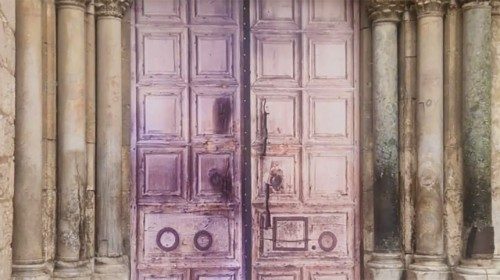
Cardinal Pizzaballa and the Custos of the Holy Land prevented from entering the Holy Sepulchre to celebrate Palm Sunday Mass
Exaudi Staff
30 March, 2026
2 min
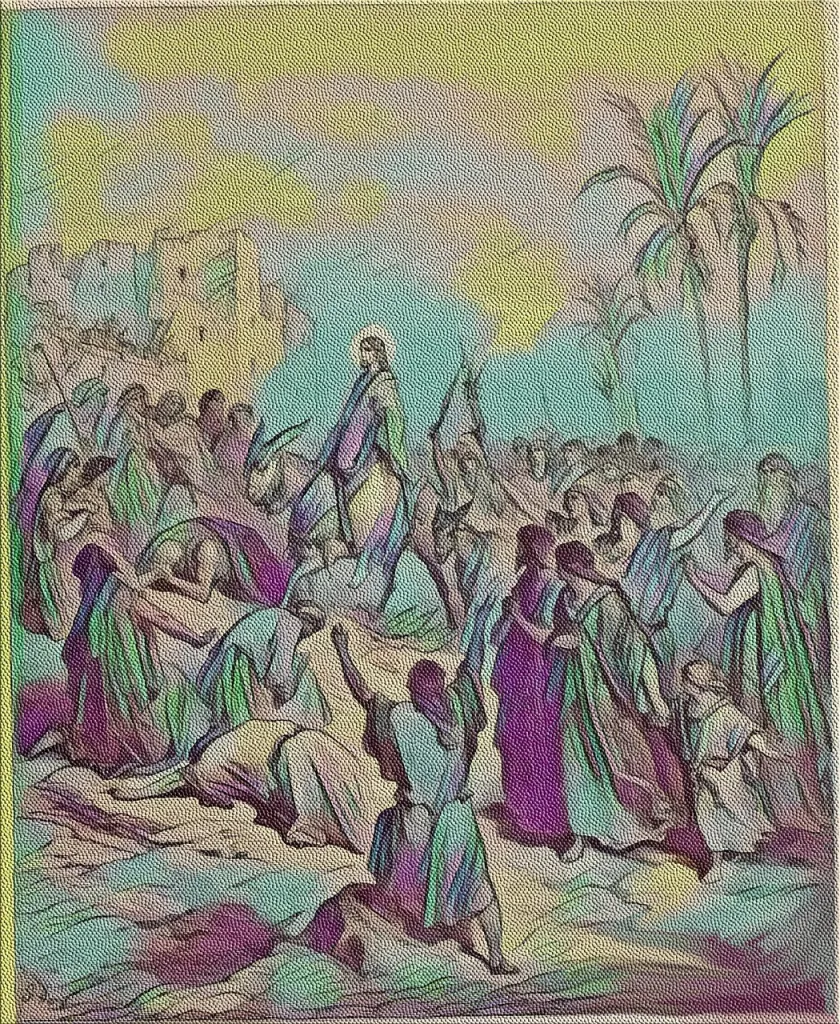
Blessed is he who comes in the name of the Lord: Commentary by Fr. Jorge Miró
Jorge Miró
28 March, 2026
3 min
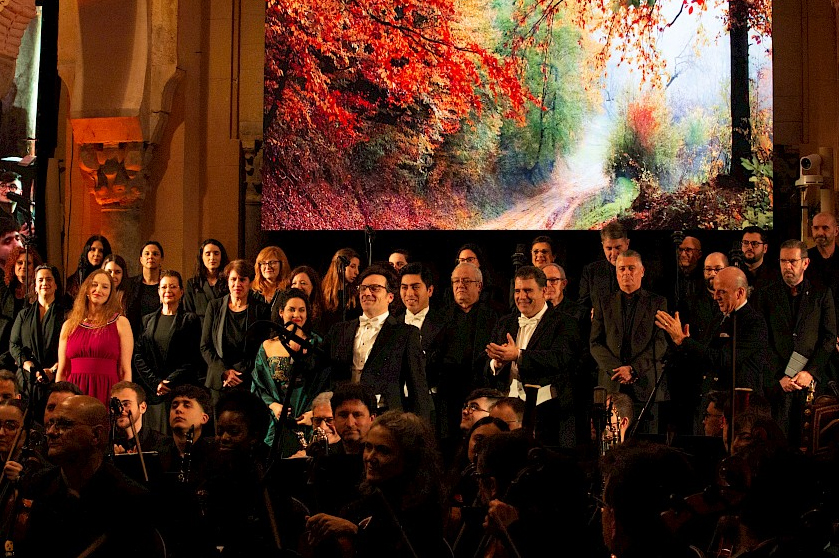
“God in the Opera” Fills the Mosque-Cathedral of Córdoba
Exaudi Staff
27 March, 2026
2 min
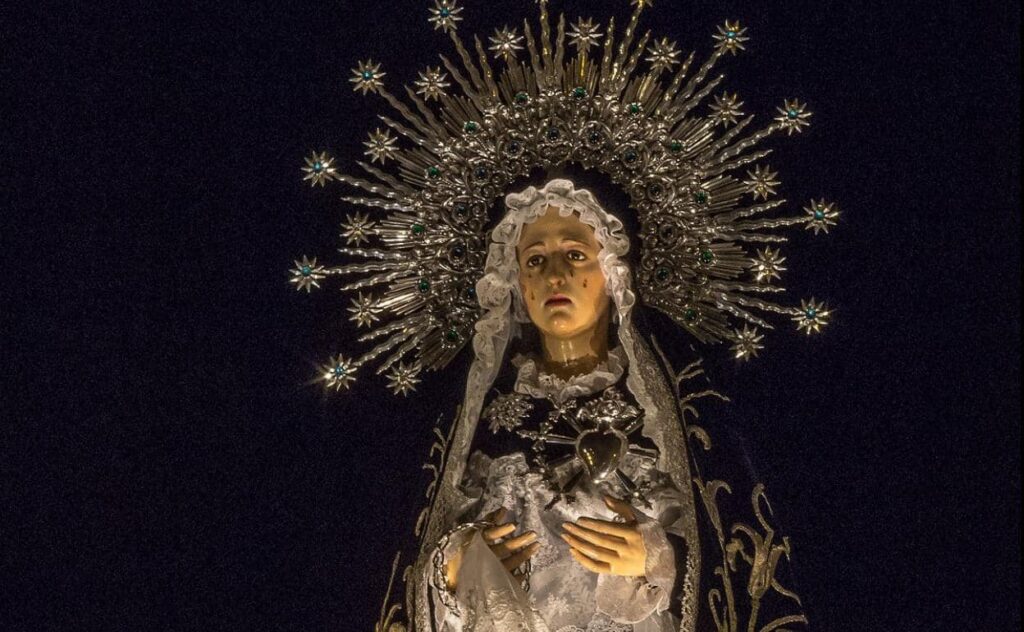
Friday of Sorrows
Exaudi Staff
27 March, 2026
3 min