 (EN)
(EN)
 (ES)
(ES)
 (IT)
(IT)

Leo XIV: God’s Ways of Acting
Holy Mass at the Cathedral of St. Pancras Martyr, in Albano
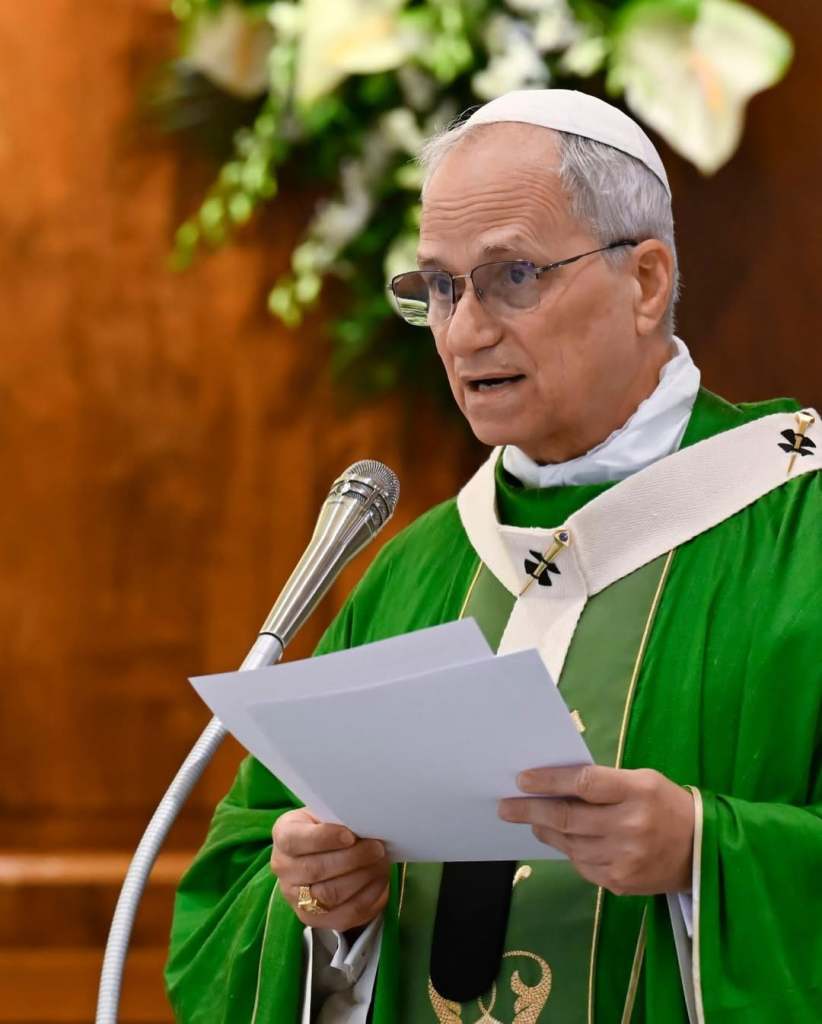

A special appointment with Pope Leo XIV in Albano
Hospitality, service, and silence: encounters that renew faith this summer in 2025
On Sunday, July 20, 2025, Pope Leo XIV presided over Holy Mass in the Cathedral of Saint Pancras Martyr in Albano. The Pontiff arrived walking among the faithful, greeting the sick and elderly, accompanied by a musical band that brought emotion and warmth to the atmosphere.
Among those present were civil and local authorities, who offered symbolic gifts: baskets of regional products and a silver plate bearing the diocesan coat of arms, originally prepared for his inauguration as cardinal, but adapted after his election as Pope.
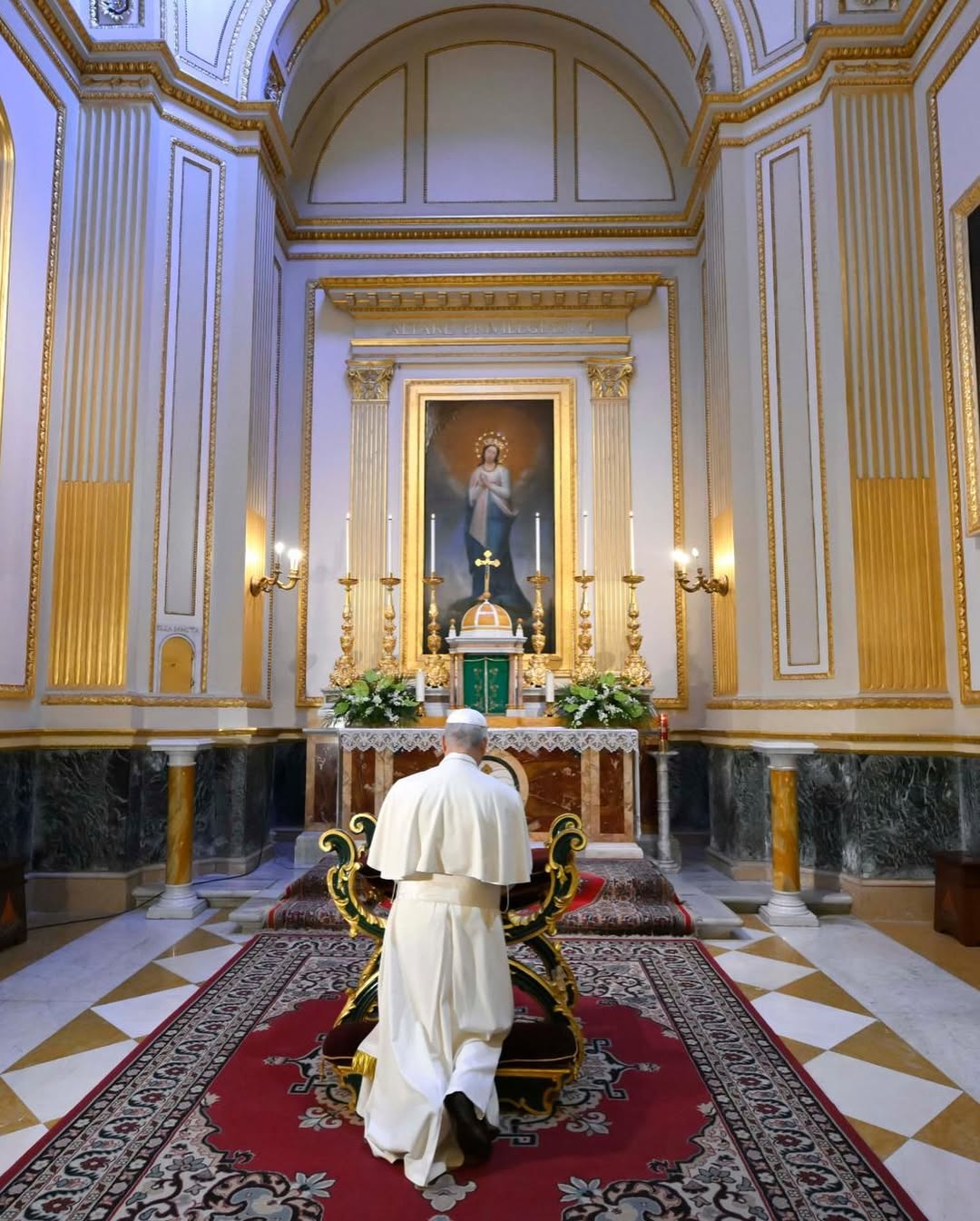
Hospitality, service and listening
The celebration was attended by approximately 1,400 people: 400 inside the cathedral and more than a thousand gathered in the plaza. Also participating were some 80 concelebrating priests. The entrance hymn, composed especially for the occasion, set the spiritual tone for the ceremony.
During his homily, the Pope reflected on two biblical passages: Abraham’s encounter with the three visitors (Gen 18:1-10) and Jesus’ visit to the home of Martha and Mary (Lk 10:38-42). Based on these texts, he explained how Christians are called to combine two attitudes: generous service and attentive listening . Both, he said, are essential for living an authentic and transformative hospitality.
He invited everyone to take advantage of the summer as a time to cultivate inner self, open up to others, share experiences, and strengthen community through silence and generosity.
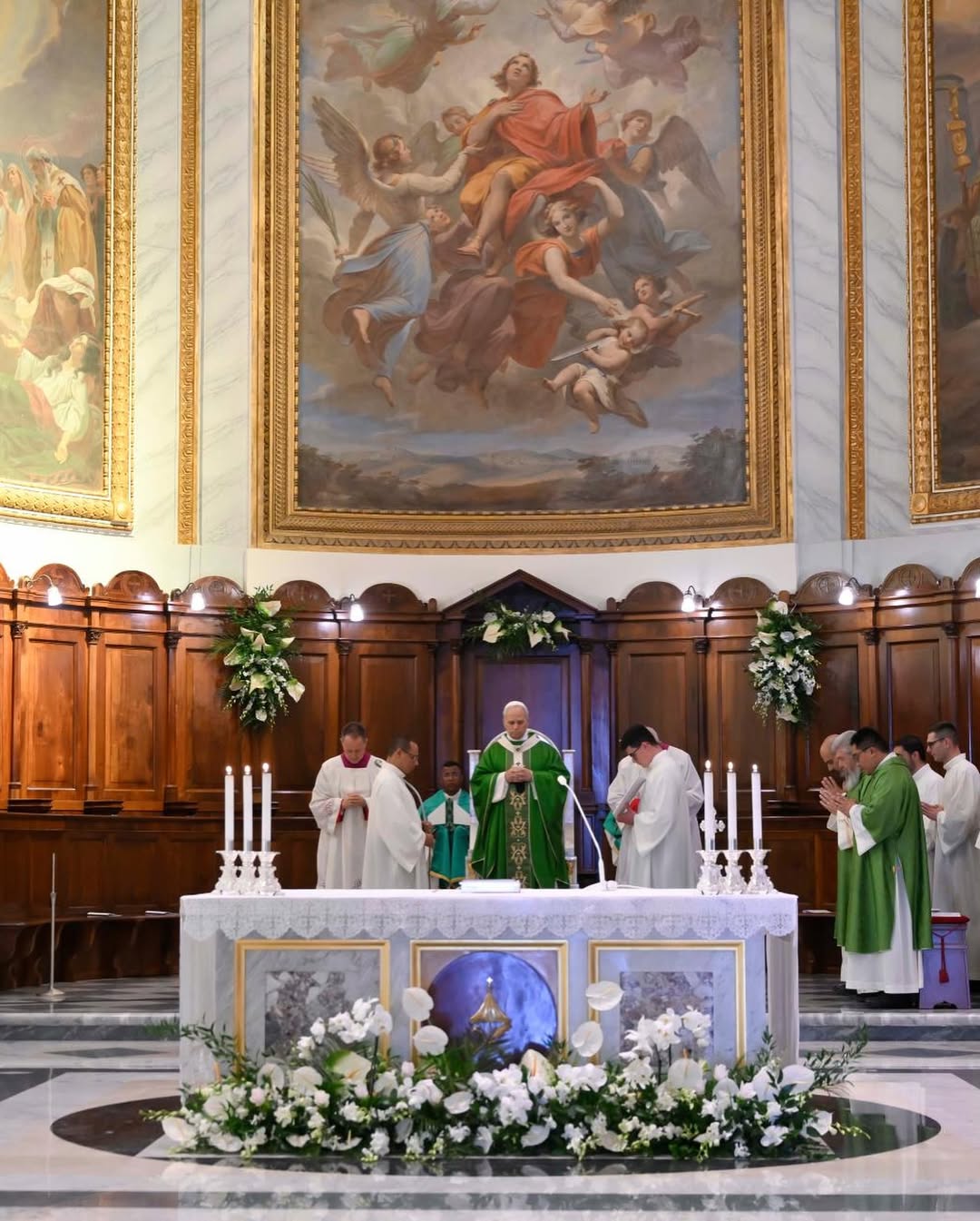
The value of effort and sacrifice
The Pope acknowledged that both serving and listening require effort, sacrifice, and perseverance. He referred to Saint Augustine to emphasize that fatigue in love is never fruitless: “Fatigue will pass and rest will come… one does not reach one’s homeland without crossing the sea.”
Thus, he emphasized that strong and lasting relationships are built through hard work, loyalty, understanding, and compassion. They are the fruits of a hospitality that is not improvised, but rather cultivated with perseverance.
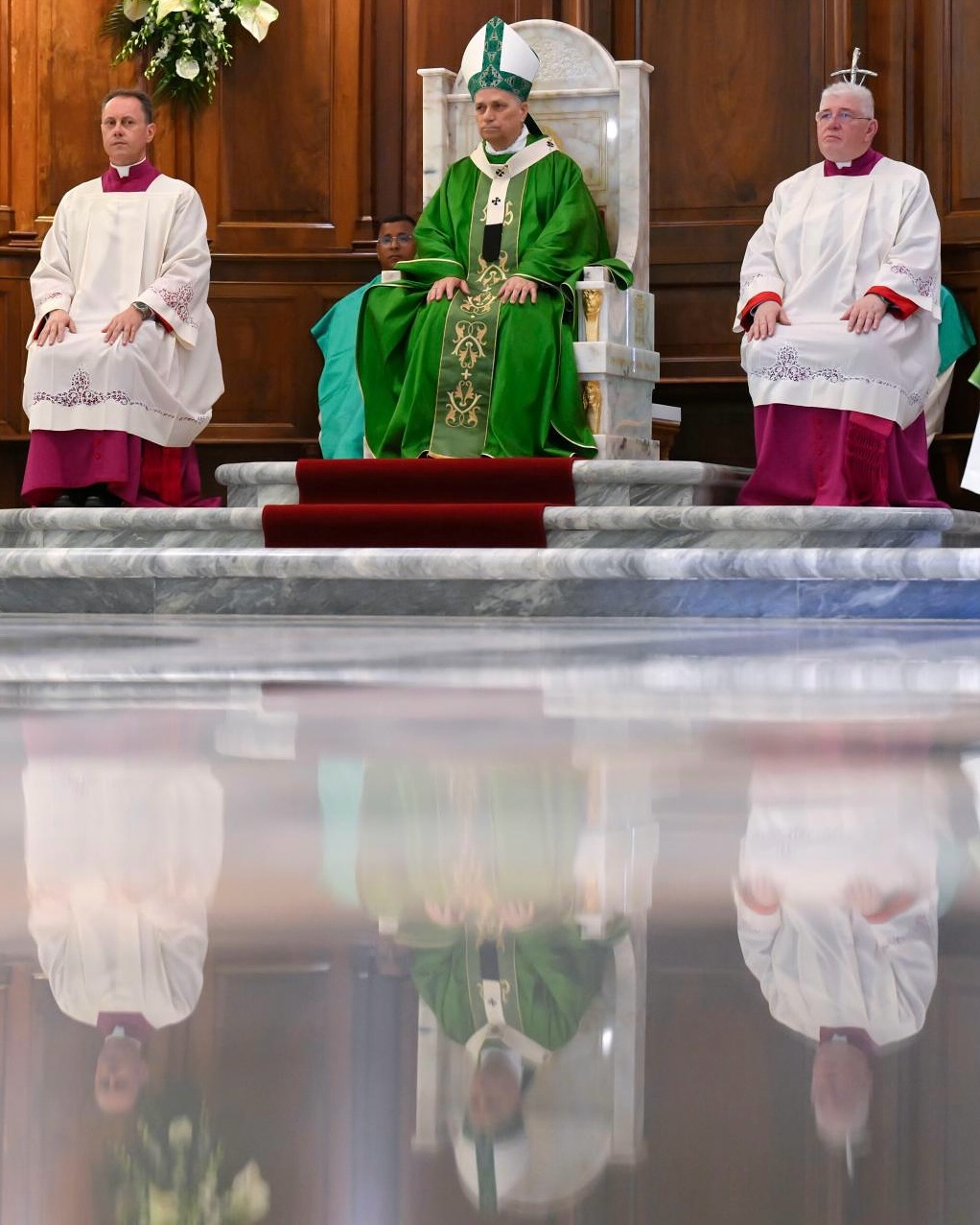
Summer with a purpose: three axes
The Pontiff proposed living the summer season based on three very specific pillars:
-
Contemplative silence , to leave space for the voice of God and our inner voice.
-
Concrete service , offering gestures of care, closeness and help to those around us.
-
Fraternal communion , to share time and listen to those around us, strengthening family and community ties.
Living values: action and contemplation
The Pope’s message connects with everyday life: in a world full of haste, he invites us to balance action with silence, surrender with listening. He reminds us that rest should not only be physical, but also spiritual and relational.
HOLY MASS
HOMILY OF HIS HOLINESS POPE LEO XIV
Cathedral of Albano
XVI Sunday in Ordinary Time, 20 July 2025
________________________________________
Dear brothers and sisters,
I am very happy to be here to celebrate today’s Eucharist in this beautiful Cathedral. As you know, I was supposed to be here on 12 May, but the Holy Spirit worked in a different way. But I am truly pleased to be with you and in the spirit of fraternity and Christian joy, I greet all of you here present, His Eminence, as well as the Bishop of the Diocese, and the authorities present.
In this Mass, both the first reading and the Gospel invite us to reflect on hospitality, service and listening (cf. Gen 18:1-10; Lk 10:38-42).
First, God visits Abraham in the figure of “three men” who arrive at his tent “in the heat of the day” (cf. Gen 18:1-2). The scene is easy to imagine: the blazing sun, the stillness of the desert, the intense heat, and the three strangers seeking shelter. Abraham is seated “at the entrance of his tent,” the position of the master of the house, and it is moving to see how he exercises this role. Recognizing the presence of God in the visitors, he gets up, runs to greet them, and prostrates himself on the ground imploring them to stay. Thus the whole scene comes to life. The afternoon’s stillness is filled with gestures of love which involve not only the Patriarch, but also his wife Sarah and the servants. Abraham is no longer seated, but stands “by them under the tree” (Gen 18:8), and it is there that God gives him the best news he could have hoped for: “your wife Sarah shall have a son” (Gen 18:10).
The dynamics of this encounter lead us to reflect on how God chooses the path of hospitality in order to enter into the lives of Sarah and Abraham and announce that they would have a child, which they had long desired but had given up hope of receiving. Having visited them before in many moments of grace, God returns to knock on their door, asking for hospitality and trust. The elderly couple respond positively, despite not yet understanding what will happen. They recognize God’s blessing and his presence in the mysterious visitors, and offer them what they have: food, company, service and the shade of a tree. In return, they receive the promise of new life and descendants.
While the circumstances are different, the Gospel also teaches us about God’s way of acting. Here too, Jesus appears as a guest at the house of Martha and Mary. This time, however, he is not a stranger: he comes to his friends’ house in the midst of a festive atmosphere. One of the sisters welcomes him by serving him, while the other sits at his feet, listening as a disciple would her teacher. As we know, Jesus responds to the first sister’s complaints that she would like some help with the tasks at hand by inviting her to recognize the value of listening (cf. Lk 10:41-42).
It would be incorrect, however, to see these two attitudes as mutually exclusive, or to compare the merits of the two women. Service and listening are, in fact, twin dimensions of hospitality.
Our relationship with God comes first. Although it is true that we must live out our faith through concrete actions, faithfully carrying out our duties according to our state of life and vocation, it is essential that we do so only after meditating on the Word of God and listening to what the Holy Spirit is saying to our hearts. To this end, we should set aside moments of silence, moments of prayer, times in which, quieting noise and distractions, we recollect ourselves before God in simplicity of heart. This is a dimension of the Christian life that we particularly need to recover today, both as a value for individuals and communities, and as a prophetic sign for our times. We must make room for silence, for listening to the Father who speaks and “sees in secret” (Mt 6:6). Summer can be a providential time to experience the beauty and importance of our relationship with God, and how much it can help us to be more open, more welcoming to others.
During the summer, we have more free time in which to gather our thoughts and reflect, and also to travel and spend time with each other. Let us make good use of this, by leaving behind the whirlwind of commitments and worries in order to savour a few moments of peace, of reflection, taking time as well to visit other places and share in the joy of seeing others — as I am doing here today. Let us make summer an opportunity to care for others, to get to know each other and to offer advice and a listening ear, for these are expressions of love, and that is something we all need. Let us do so with courage. In this way, through solidarity, in the sharing of faith and life, we will help to promote a culture of peace, helping those around us to overcome divisions and hostility and to build communion between individuals, peoples and religions.
Pope Francis said that “If we want to savour life with joy, we must associate these two approaches: on the one hand, ‘being at the feet’ of Jesus, in order to listen to him as he reveals to us the secret of everything; on the other, being attentive and ready in hospitality, when he passes and knocks at our door, with the face of a friend who needs a moment of rest and fraternity” (Angelus, 21 July 2019). These words were pronounced just a few months before the pandemic broke out; that long and difficult experience, which we still remember, taught us much about their truth.
Certainly all of this requires effort. Serving and listening do not always come easily; they require hard work and the ability to make sacrifices. For instance, it takes an effort in listening and serving in order to be faithful and loving mothers and fathers raising their family, just as it requires effort for children to respond to their parents’ hard work at home and at school. It also requires effort in order to understand each other when there are disagreements, to forgive when mistakes are made, to help when someone is sick, and to comfort one another in times of sadness. But it is precisely by making an effort that something worthwhile can be built in life; it is the only way to form and nurture strong and genuine relationships between people. Thus, with the foundations of everyday life, the Kingdom of God grows and manifests its presence (cf. Lk 7:18-22).
Saint Augustine, reflecting on the story of Martha and Mary in one of his homilies, said: “These two women symbolize two lives: the present and the future; a life lived in toil and a life of rest; one troubled and the other blessed; one temporary, the other eternal” (Serm. 104, 4). And considering Martha’s work, Augustine said: “Who is exempt from the duty of caring for others? Who can rest from these tasks? Let us try to carry them out with charity and in such a way that none will be able to find fault with us… The weariness will pass and rest will come, but rest will only come through the effort made. The ship will sail and reach its homeland; but the homeland will not be reached except by means of the ship” (ibid., 6-7).
Today, Abraham, Martha and Mary remind us that listening and service are two complementary attitudes that enable us to open ourselves and our lives to the blessings of the Lord. Their example invites us to reconcile contemplation and action, rest and hard work, silence and the bustle of our daily lives with wisdom and balance, always taking Jesus’ charity as our measure, his Word as our light, and his grace as our source of strength, which sustains us beyond our own capacity (cf. Phil 4:13).
____________
Words spoken by His Holiness Pope Leo XIV before the Blessing at the end of Holy Mass in Albano Cathedral in making a gift of a chasuble to His Excellency Vincenzo Viva Bishop of the Diocese
We present this gift to Your Excellency as an expression of our closeness to your Diocesan Church, with the wish that the Lord’s Blessing may always accompany you. Thank you for your service and thanks to your people.

Exaudi Staff
What is Exaudi News? Exaudi News is an international Catholic media outlet that informs, shapes, and transforms daily in Spanish, English, and Italian. Through news, analytical articles, and live broadcasts of the Pope's events, Exaudi seeks to strengthen Christian unity and contribute to the evangelization of the world, always guided by the Church's social doctrine. We work to bring Christian truth and values to every corner of the planet. Help us transform the world with Exaudi! At Exaudi, we believe that evangelization and quality information can change lives. To continue our mission and expand our reach, we need your help. In addition, we are looking for committed people to join our team. With your support, we will reach more people, spread the message of Christ, and strengthen Christian unity. Will you join our mission? For more information on how to collaborate, visit Exaudi.org or contact us directly: [email protected] Exaudi: Informs, educates, and transforms.
Related
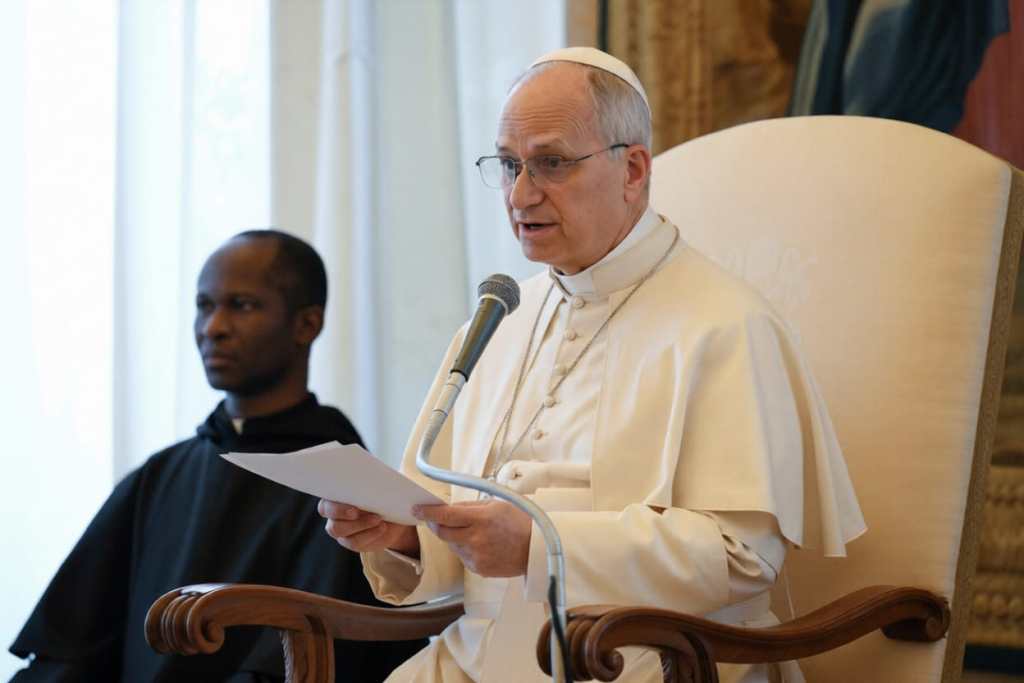
Pope Leo XIV: “Protecting children is at the heart of the Church’s mission”
Exaudi Staff
16 March, 2026
7 min
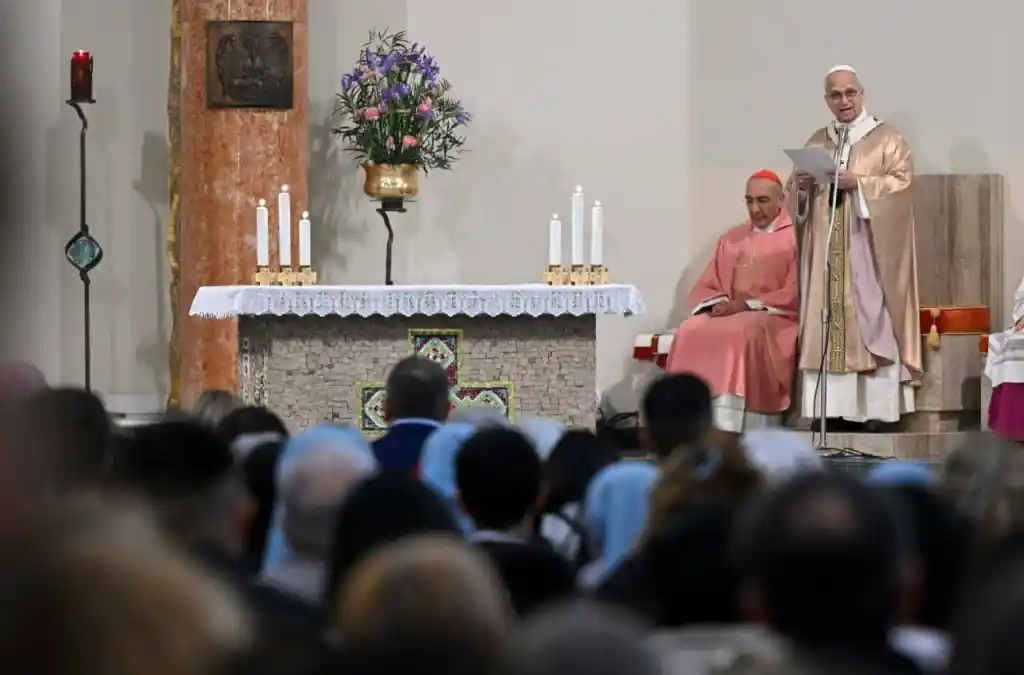
“God always gives light, hope, and peace”
Exaudi Staff
15 March, 2026
6 min
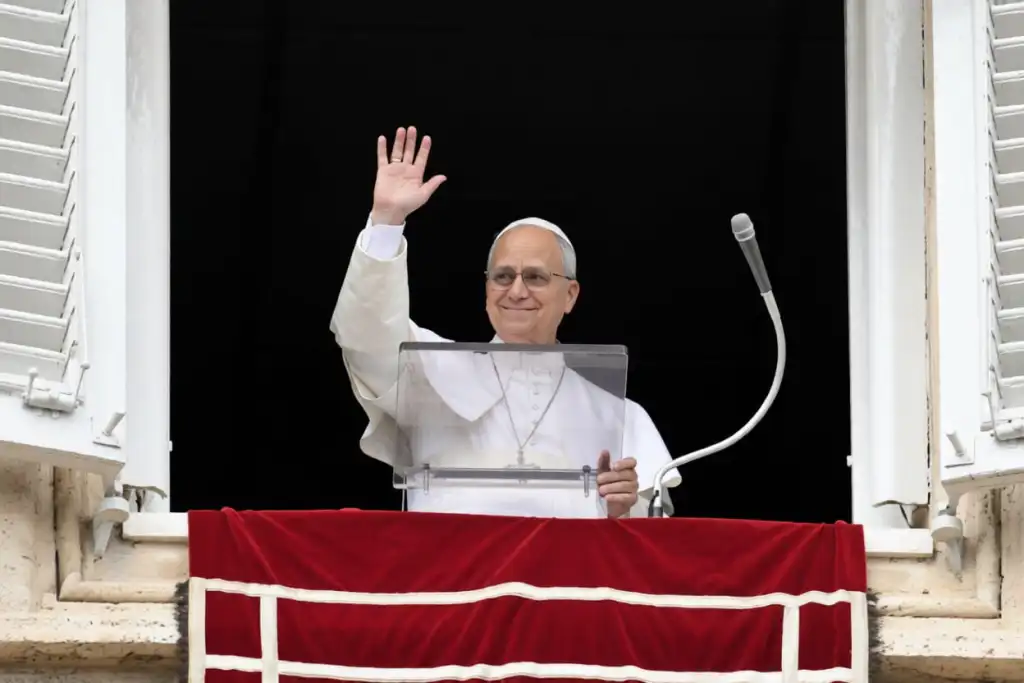
Leo XIV: “Living a Faith ‘with Open Eyes’”
Exaudi Staff
15 March, 2026
6 min
Pope Leo XIV encourages Christian business leaders to promote truly human and sustainable development
Exaudi Staff
15 March, 2026
4 min