 (EN)
(EN)
 (ES)
(ES)
 (IT)
(IT)

Learning to Rest
Don't put off until tomorrow the rest you need today
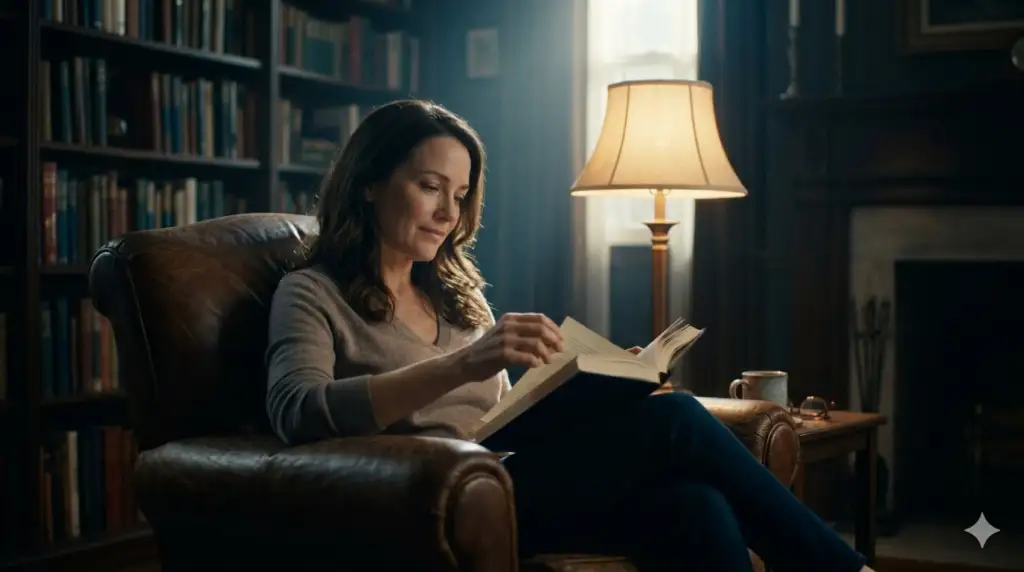

Many people focus all their attention on what they have to do: work, family, friends. However, they barely pay attention to their inner world, their physical needs, and especially their psychological and spiritual needs.
Often, as the years go by and their resistance to exertion decreases due to age, they begin to show signs and symptoms of chronic fatigue that, in many cases, affect their physical well-being in the form of headaches, asthenia, insomnia, back pain, digestive discomfort, high blood pressure, and a long etcetera.
As illuminating examples of the imbalance between fatigue and rest, tension and relaxation, activity and repose, I would like to cite three physical illnesses that are currently prevalent in the West: burnout, fibromyalgia, and chronic fatigue. These and other illnesses, grouped under the heading of psychosomatic diseases, share a common basis: psychological tension, which becomes chronic due to a lack of relaxation or rest.
The best way to rest is to learn not to tire yourself excessively, not to exhaust yourself. It’s just as important to read the phrase “Never put off until tomorrow what you can do today” forwards as it is to read it backwards; along with being diligent in getting things done, it’s also good to tell yourself: ” Leave for tomorrow what you can’t do today” ; don’t burden today with more than you can handle, and don’t put off until tomorrow the rest you need today.
A tired person tends to be pessimistic: someone who is usually optimistic, for example, will react with an unusual apathy. Someone who is prone to worry will find themselves with multiple reasons for anxiety, and it will be necessary to help them see that they are not viewing things objectively at that moment.
In today’s society, due to consumerism, rest is perceived as an expense . It seems impossible to rest in a simple, family-oriented way without unnecessary costs (such as trips to exotic or distant places).
That’s why rest isn’t a luxury or a form of selfishness; it’s a necessity, a duty. “Take care,” is sometimes said among friends and family as they say goodbye: we remind each other that our health is a gift from God.
To learn how to rest, I recommend a very practical book with very useful tips: “ Learning to Live Rest ” (EUNSA, 2011). Its author is Dr. Sarráis , a psychiatrist at the University of Navarra.

Marketing y Servicios
Ideas para mejorar el mundo . Director: José Miguel Ponce . Profesor universitario e investigador en Marketing y Gestión de Servicios, con experiencia en cinco universidades públicas y privadas. Sevillano de origen, ha vivido en varias ciudades de España y actualmente reside en Sevilla. Apasionado por la educación, la comunicación y las relaciones humanas, considera la amistad y la empatía clave en su vida y enseñanza. Ha publicado investigaciones sobre Marketing, Calidad de Servicio y organizaciones sin ánimo de lucro. Humanista y optimista, promueve el agradecimiento y la coherencia como valores fundamentales.
Related
The Wounds of Jesus
Monseñor Gilberto Gómez González
13 April, 2026
2 min
Lift Up Your Gaze!
Rosa Montenegro
13 April, 2026
4 min

Abortion: Legalizing a Crime
Isabel Orellana
10 April, 2026
5 min
Gratitude as a Spiritual Discipline: How to Transform Daily Complaints into Prayers of Thanksgiving
Patricia Jiménez Ramírez
08 April, 2026
5 min