(EN)
(EN)
 (ES)
(ES)
 (IT)
(IT)

How to Cope with Pain?
The Duality of Love and Pain: How to Transform Suffering into an Opportunity to Grow and Love Better
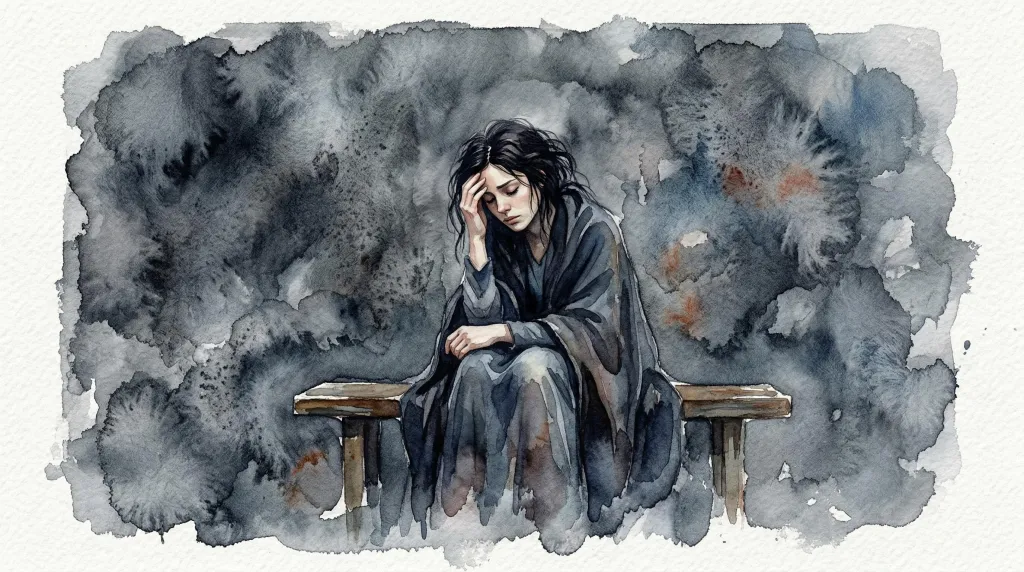

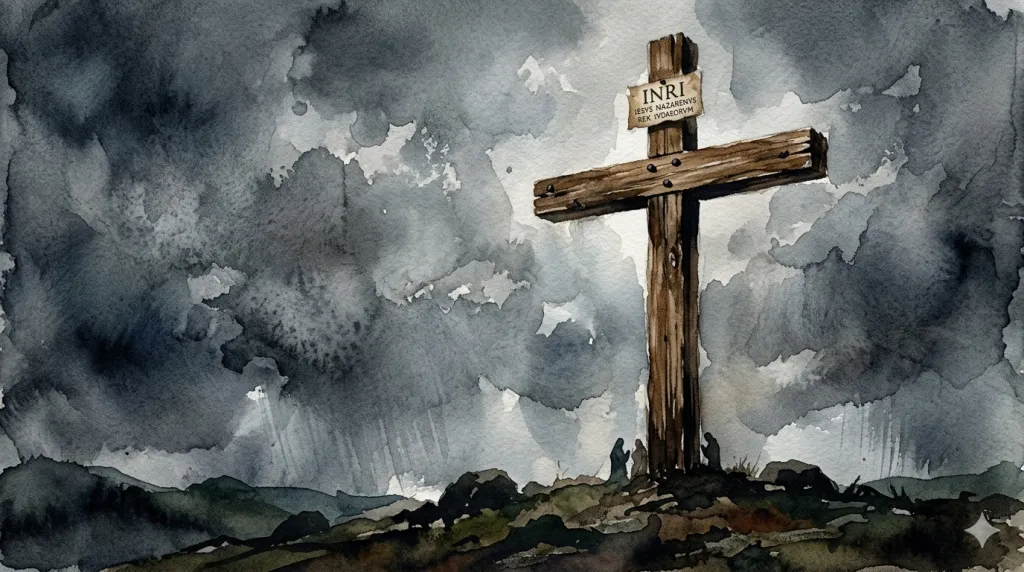
Holy Week is approaching, allowing us to pause and reflect more deeply on some profound events if we cultivate inner silence and stillness. The mystery of suffering…
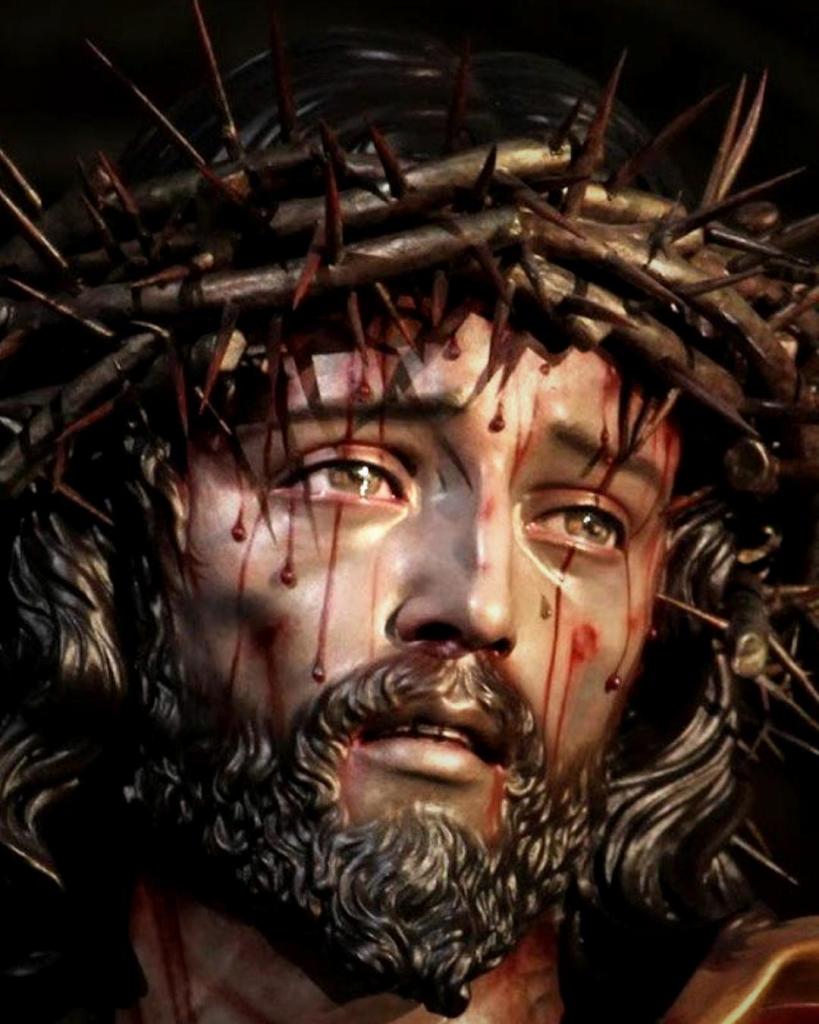
In life, suffering always appears in one form or another. In those difficult moments, reflecting on this topic might help us… What is its meaning, how to cope with it, and how to learn from painful situations? Also, how to address it within the family so that it doesn’t destabilize us. It’s the problem of pain, with the mystery it holds.
Sometimes traumatic situations cause rifts in families or relationships, and other times they bring people closer together. It depends on how they are dealt with. If we help and support each other, drawing on generosity, it’s an opportunity to mature and grow. Perhaps it’s a way to pause , look inward , and dedicate time and energy to reflecting on what’s truly important in life, things that sometimes go unnoticed.
It’s a great blessing that love grows not only with the good times, but also with the not-so-good, as long as you face those unexpected events in life together. Everything nourishes love: a trip, a surprise, a meal, a gift, but also a bad day, a doctor’s appointment, taking care of the children, an illness, difficult times, or a “failure” of any kind…
Pain is a mystery, and it predisposes us to reflect. We are more accustomed to thinking about problem-solving, but not so much about mysteries. Thus, by pausing, the trivial gives way to the important , and it can help us prioritize.
Furthermore, pain is always intertwined with love, because love requires sacrifices, renunciations, absences… and life entails suffering. But when pain is integrated with love, it uplifts, energizes, and helps to overcome it.
Love helps to alleviate pain: it gives it strength and meaning, because they are part of the same reality. That duality of love and pain. The more we love, the more vulnerable we become and the more we expose ourselves to suffering for love, but loving is always worthwhile. Something that transcends us… Love is such a rich reality that it grows and expands when we offer it.
A great writer, C.S. Lewis, reflected a great deal on the theme of pain, as it marked his childhood. And later, the Great War… As happened to his friends in the Inklings literary gatherings, who supported and “rescued” each other from so much suffering and the senselessness of war and the ever-present threat of death.
Regarding these friends, in “The Wizard of Words,” a youth biography of J.R.R. Tolkien published by Magisterio Casals, expert Eduardo Segura writes: “It was about getting together around a good fire and exchanging perspectives on the most varied topics in gatherings that lasted well into the night, and were very fun, full of sparkling and ingenious ideas.”
In his lectures, Lewis used a very graphic metaphor regarding pain: he said that we are like “blocks of stone” from which the “sculptor” tries to extract a masterpiece, a concrete human being. “ The blows of the chisel, which hurt us so much, also allow us to become more perfect.”
He experienced immense suffering as a child: his parents died of cancer, and it left a deep mark on him. All the joy and security of his family environment vanished with his mother’s death. He was nine years old.
He always harbored a deep longing for beauty within him… a longing that went unfulfilled. Later in life, he met Joy Gresham, a sensitive and insightful young American writer who read his work, and love blossomed between them. They married, but shortly afterward, she was diagnosed with advanced cancer.
This is beautifully portrayed in Robert Attenborough’s film ” Shadowlands .” It shows how Joy, from the very beginning, questions his arguments, makes him think, and teaches him to love. She helps him allow himself to be loved , as he had built a protective “mask” around himself due to the pain of his childhood. From a young age, he had chosen “security,” guarding his heart, rather than love itself.
Faced with the unexpected diagnosis, they spend a lot of time together, and she talks to him about so many things, including his death : she tells him it doesn’t take away his happiness, but makes it more ” real . “ She explains that the pain that will come is part of the happiness of that moment. That both realities are intertwined: “that’s the deal.”
He saw her, and he couldn’t bear to see the one he loved so much suffer like that. So he chose suffering over security. He knows that love is worthwhile, giving his whole heart without hardening it, even if it means suffering the unimaginable.
Soon after, she died, and he was left with more questions: why does losing love hurt so much? He had no answers, no ideas were of any use to him ; what remained was the vital question of the meaning of life . All he had were experiences: something that seemed more important to her. And experience is a harsh teacher…
Later, reflecting on this, he writes: “One never actually encounters Cancer, or War, or Unhappiness. One only encounters each hour or each moment that comes. With all kinds of ups and downs: countless ugly spots in our best moments and beautiful spots in our worst. We never grasp the full impact of what we call ‘the thing itself.’ But we are wrong to call it that.”
It’s incredible how much happiness and even how much fun we sometimes experienced together… How long, how serenely, how profitably we talked that last night, closely united.”
They form the “ two sides ” of love : that “love-pain dichotomy.” One cannot truly love without suffering, but on the other hand, love becomes more evident, and grows, in moments of suffering. That is why pain is said to be the “touchstone of love,” where that love is truly felt.
We must learn to unite these two realities so that pain can have meaning and not destroy us; so that love can contribute its energy and gentleness. We must cover pain with love to heal wounds and cope with it better.
This author said that life’s difficulties prepare ordinary people for extraordinary goals…
Therefore, unexpected pain can fuel love: in a relationship, within a family, and can bring people closer together. The secret lies in loving each other, sharing the pain, and bearing it together. Furthermore, when there is emotional harmony, joys are amplified, resonating from one to the other and increasing; while sorrows diminish: they are lessened and softened.
Life is the great opportunity to learn to love,
to enlarge the heart,
and well focused,
Even pain can help us…

María José Calvo
Soy Mª José, Médico de familia. Estudié en la Universidad de Navarra, y allí conocí a mi marido. Pronto la familia suscitó un gran interés en mi. Tuve la suerte de conocer y formarme con grandes pedagogos, entre ellos el Profesor Oliveros F. Otero, uno de los fundadores del Instituto de Ciencias de la Educación de la Universidad de Navarra. También hice diplomados en Orientación Familiar en Madrid, en IPAO, con grandes profesionales y amigos, y un Asesoramiento familiar con Edufamilia. Hace tiempo comencé la aventura de escribir para compartir tantas cosas que tenía en mi cabeza y en mi corazón, e iba haciendo vida en mi propia familia, a la vez que escribía en la Revista Hacer Familia, de Palabra. Pinceladas sobre la familia, el amor de pareja, y el arte de educar, con una mirada antropológica humanística, basada en la ciencia, la biología, la medicina… Asimismo, colaboro con otras revistas y diversas webs. En familia creamos un ambiente de confianza y libertad, donde se construye y re-construye cada persona, y donde se quiere a los demás de forma natural. Y ese ambiente va humanizando nuestro entorno. Aquí me tienes: optimistaseducando.blogspot.com.es
Related