(EN)
(EN)
 (ES)
(ES)
 (IT)
(IT)

Holy Week in Peace
Processions, Faith, and Mercy: Holy Week invites us to disarm hatred and cherish life
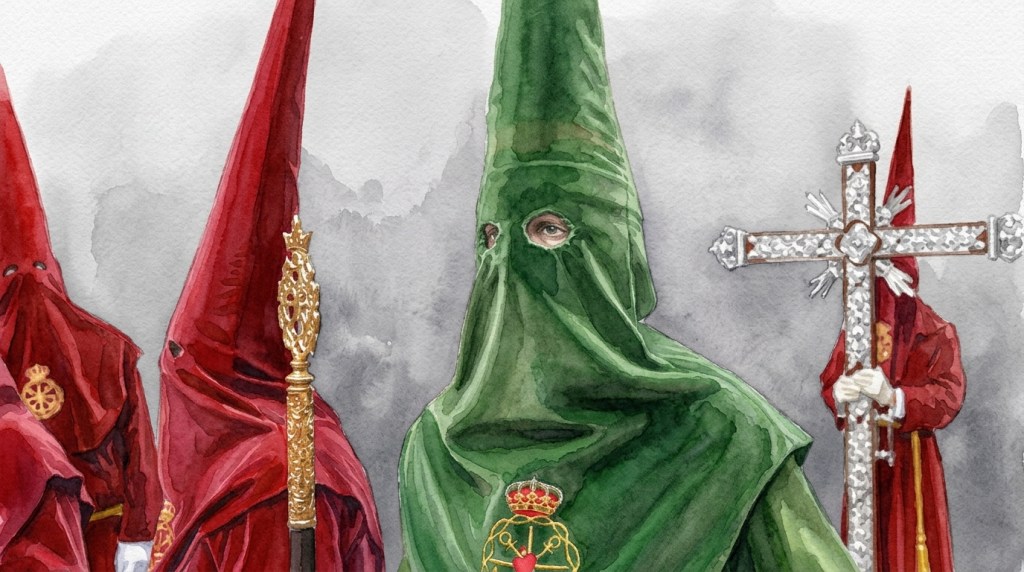

Holy Week is not only an important cultural event but also the celebration of the central mystery of the Christian faith, rooted in the peoples of Spain for centuries.
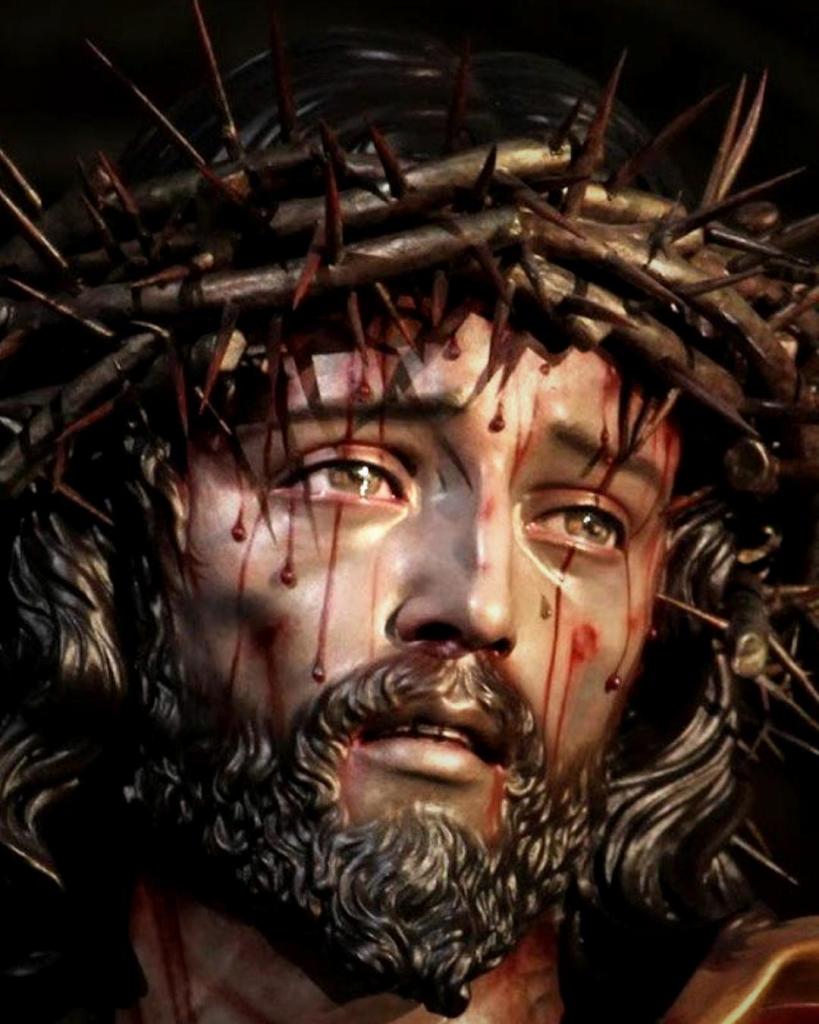
Rest, travel, and celebration offer opportunities to slow down and reflect on Jesus Christ and the Virgin Mary: to examine the extent to which we participate in the Christian faith, which has become incarnate and is profoundly human. Processions are growing in popularity across the country, with thousands of members of religious brotherhoods and devout followers striving to understand the essence of the event. The images of Christ on the cross, bound and scourged at the pillar, carrying the cross, the Virgin of Sorrows and Our Lady of Hope, as well as other figures, draw us into the Passion of Jesus Christ, prompting us to ask ourselves what we are doing with our lives, what our relationship with God is, and what our attitudes are toward the suffering endured by Jesus.
With life
In his Palm Sunday homily, Pope Leo XIV once again made a strong plea for peace in the current conflict zones, primarily Iran, Israel, and Lebanon. He began by saying: “Let us look to Jesus, who presents himself as King of Peace, while war is being prepared around him. He, who remains steadfast in meekness, while others are agitated by violence. He, who offers himself as a gentle touch to humanity, while others wield swords and clubs. He, who is the light of the world, while darkness is about to cover the earth. He, who came to bring life, while the plan to condemn him to death is being carried out.”
A few days earlier, he celebrated Mass in Monaco, and in his homily he also defended life at all times, alluding to current wars and abortion. Specifically, he said that “every life cut short is a wound in the body of Christ,” and he asked that “we not become accustomed to the roar of weapons, to the images of war!” He added that “peace is not a mere balance of power; it is the work of purified hearts, of those who see in the other a brother or sister to care for, not an enemy to be destroyed.”
He also stated that “it is mercy that saves the world,” calling for the protection of human life at all stages as the central theme of his visit. Faith, according to the Pope, must be “always ready to lovingly protect every human life, at any time and in any condition, so that no one is ever excluded from the table of fraternity.” He thus rejects social practices that discard the most vulnerable, as is the case with abortion. The world needs the mercy that “cares for every human existence from the moment it blossoms in the mother’s womb until it withers away in all its fragility.”
Let us recall that at the beginning of Lent, the Pope also prayed for peace in the face of current wars and exhorted all people of good will to live in peace. In his words, this season asks us to “refrain from using words that affect and hurt our neighbor. Let us begin to disarm language, renouncing hurtful words, hasty judgment, speaking ill of those who are absent and cannot defend themselves, and slander. Let us strive, instead, to learn to choose our words carefully and cultivate kindness: in our families, among friends, in the workplace, on social media, in political debates, in the media, and in Christian communities. Then, many words of hatred will give way to words of hope and peace.”
Overcoming hate
We must not forget that wars unleash the worst in humanity, violating the rights and lives of millions of victims and benefiting only a few who prevail and enrich themselves through the suffering of others. While it is true that unleashing violence is not the same as defending oneself against unjust aggression, some public figures would do well to heed the warnings of Pope Leo XIV for the good of all.
More than laws against hate, we need generous politicians with vision. More than decrees against hate, we need a willingness to reach understanding and not pit people against each other. Because recently, the current government proposed tracking the “Trace of Hate,” which is reminiscent of the tendency to monitor freedoms and establish a new form of censorship from the halls of power. Yes, we are not exactly overflowing with words and deeds of peace, and with seeking the common good instead of pursuing self-interest.
Finally, the news of Pope Leo XIV’s trip to Madrid, Barcelona, and the Canary Islands fills us with hope, promising words of peace and harmony, of building bridges instead of walls. It also shows that the Pope has faith in the Spanish people’s ability to live in peace and grow as Christians consistent with the faith we profess: it is culture, it is celebration, and above all, it is believing in Jesus Christ, Savior of the world.

Jesús Ortiz López
Jesús Ortiz López es sacerdote que ejerce su labor pastoral en Madrid. Doctor en Pedagogía, por la Universidad de Navarra, y también Doctor en Derecho Canónico. Durante varios años ha ejercido la docencia en esa misma Universidad, como Profesor del actual Instituto Superior de Ciencias Religiosas. Ha dirigido cursos de pedagogía religiosa para profesores de religión. Es autor de varias obras de sobre aspectos fundamentales de teología y catequética, tales como: Creo pero no practico; Conocer a Dios; Preguntas comprometidas; Tres pilares de la vida cristiana.