 (EN)
(EN)
 (ES)
(ES)
 (IT)
(IT)

Dicastery for the Clergy
Within the Vatican


This organization deals with everything related to the priests and deacons of the diocesan clergy in relation to their pastoral ministry and what they need for its fruitful exercise.
To express and carry out the request of the Apostolic See regarding the formation of candidates for Holy Orders. The mission of the Dicastery for the Clergy falls within this framework, assisting diocesan bishops in ensuring that their churches provide for vocational ministry and that seminarians receive a solid human, spiritual, intellectual, and pastoral education. The Prefect of the Dicastery for the Clergy is Cardinal Lazzaro You Heung-sik, and the Secretary is Monsignor Andrés Gabriel Ferrada Moreira.
Brief historical overview
The history of this body dates back to the Sacred Congregation of Cardinals Interpreters of the Council of Trent, established by Pius IV with the Apostolic Constitution Alias Nos of 1564, to ensure the correct interpretation and practical observance of the norms established by the Council of Trent. This body retained its historical name of Sacred Congregation of the Council until December 31, 1967. With the promulgation of Praedicate Evangelium, its name was changed to Dicastery for the Clergy.
Skills
As emphasized in the Apostolic Constitution on the Roman Curia, the Dicastery for the Clergy is called to oversee a crucial area: its task is to ensure that the community life and governance of seminaries conform to the requirements of priestly formation. It must also ensure that superiors and educators contribute, as far as possible, through their example and sound doctrine, to the formation of the character of future ordained ministers.
The Dicastery for the Clergy is responsible for promoting all matters related to the formation of future clergy through specific norms such as the Ratio fundamentalis institutionis sacerdotalis and the Ratio fundamentalis institutionis diaconorum permanentium , as well as other documents concerning ongoing formation. It is also the responsibility of the Dicastery for the Clergy to confirm the Ratio institutionis sacerdotalis nationalis issued by the Episcopal Conferences, as well as to confirm the establishment of interdiocesan seminaries and their statutes.
Offices of the Dicastery
The Dicastery is structured into four offices: Clergy, Dispensations (cf. art. 116 §2), Administration (of ecclesiastical goods), and Initial and Ongoing Formation (formerly called the “Seminary Office”). These sectors are entrusted to the coordination of their respective Heads of Office or Coordinators, who supervise the work of the Officers and collaborate with the Superiors in processing the matters assigned to them.
Since 2022, the Dicastery has undertaken a project to implement the Communication and Events service, establishing within it a coordination aimed at developing a new communication strategy that seeks to promote a network of support and exchange with the particular Churches.
Furthermore, the Offices of Clergy and Formation compile, suggest, and promote initiatives for the holiness and intellectual and pastoral development of the clergy (diocesan priests and deacons). The Office of Formation is responsible for all seminaries, except those under the Dicastery for the Oriental Churches and for the Evangelization of Peoples.
The specific scope of the Administrative Office concerns the organization and administration of ecclesiastical property belonging to public juridical entities. The Office of Dispensations is competent to process, in accordance with the law, dispensations from the obligations assumed upon ordination to the Diaconate and the Priesthood by diocesan and religious clergy of the Latin Church and the Eastern Churches.
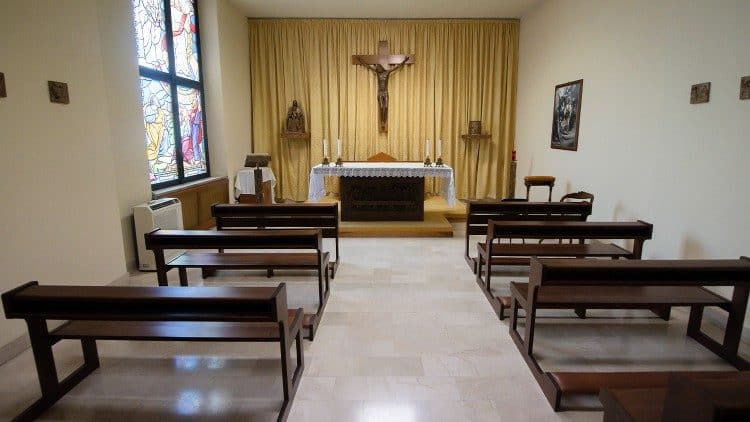
Following the example of the Good Samaritan and the Curé of Ars
The path of priestly formation encompasses various aspects of the life of a minister of God. The Dicastery for the Clergy’s vision is to serve the Church in such a way that it is animated by minds and hands capable of bringing to life, throughout the world, the figure of the Good Samaritan. It is about making God’s mercy and evangelical love shine forth.
With these words, Saint John Vianney, patron saint of the clergy, referred to the priestly ministry: “If we truly understood what a priest is on earth, we would die: not of fright, but of love.” The holy Curé of Ars was, according to Cardinal Lazzaro You Heung-sik, the epitome of a holiness that “is born of prayer, the Eucharist, and Confession, not of prestige.” A holiness forged by the ability to listen to, love, and guide people “with the heart of a shepherd.” Today, more than ever, he remains a model for all priests.
(Translation made while maintaining fidelity to the original text published in Vatican News )
- State Secretariat
- Dicastery for the Doctrine of the Faith
- Dicastery for Bishops
- Dicastery for the Clergy

Exaudi Staff
What is Exaudi News? Exaudi News is an international Catholic media outlet that informs, shapes, and transforms daily in Spanish, English, and Italian. Through news, analytical articles, and live broadcasts of the Pope's events, Exaudi seeks to strengthen Christian unity and contribute to the evangelization of the world, always guided by the Church's social doctrine. We work to bring Christian truth and values to every corner of the planet. Help us transform the world with Exaudi! At Exaudi, we believe that evangelization and quality information can change lives. To continue our mission and expand our reach, we need your help. In addition, we are looking for committed people to join our team. With your support, we will reach more people, spread the message of Christ, and strengthen Christian unity. Will you join our mission? For more information on how to collaborate, visit Exaudi.org or contact us directly: [email protected] Exaudi: Informs, educates, and transforms.
Related
Dicastery for Interreligious Dialogue
Exaudi Staff
10 April, 2026
4 min
Pasolini: A free life consists of always loving and enduring pain without being defeated
Exaudi Staff
27 March, 2026
4 min
The Dicastery for Promoting Christian Unity
Exaudi Staff
26 March, 2026
4 min
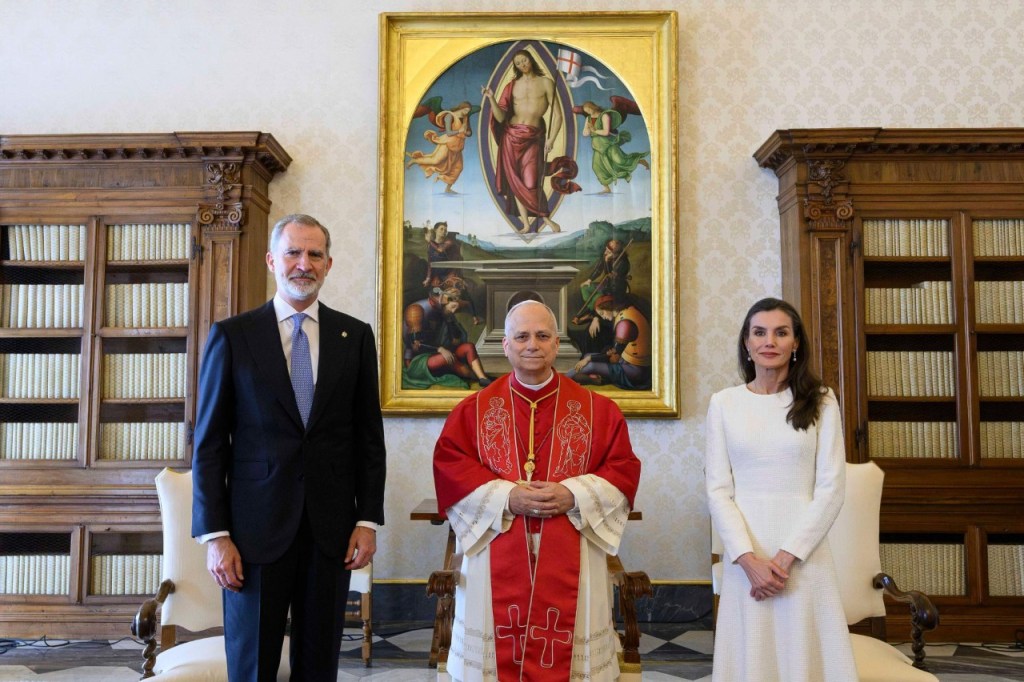
Pope Leo XIV receives the King and Queen of Spain in audience
Exaudi Staff
20 March, 2026
2 min