 (EN)
(EN)
 (ES)
(ES)
 (IT)
(IT)

Abortion: Legalizing a Crime
A Defense of Human Dignity and the Right to Life Against the Throwaway Culture and the Silence of Post-Abortion
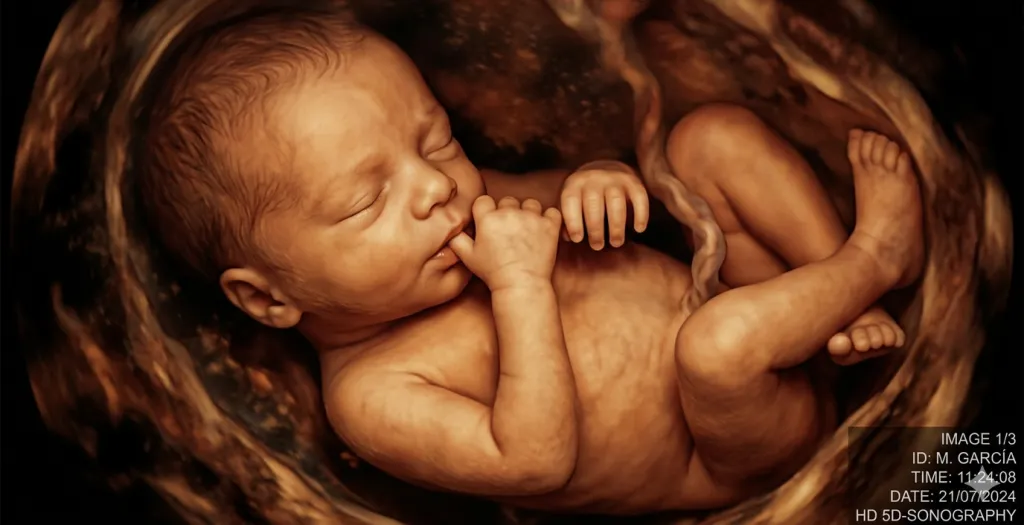

Abortion is, without a doubt, the most abject crime one human being can commit against another. The unborn child is a person (because the embryo is one) whose existence is denied by the decree of a few. It is not nature that imposes its death, as so often happens when a pregnancy is unexpectedly terminated. It is the blindness, the ideological imposition of a society that has normalized acts that violate human dignity at their very core. Similar to what has happened with euthanasia, no meaningful support or assistance is offered to those in difficult and painful situations. And yet, pregnant women must often fight against the advice they receive (even from family and close friends) that points them to the only option: the abortion clinic. When something is inconvenient, undesirable, or simply doesn’t meet the standards that human selfishness demands, it is cut short without further ado. Sometimes, you even hear people casually say that the fetus is nothing more than a lump, and that you’re going to get rid of it. That’s how serious the lack of awareness is.
Humanity, deified and believing itself master of life and death, has forgotten that one day it too will die. But since there is no fear of God, that precious gift of the Holy Spirit—just like the other six He bestows—how can it possibly understand that this creature subjected to a cruel death has not even been able to choose between good and evil, to choose to feed on grace or drink its own condemnation? The unborn child is denied the possibility of administering the gift that God was granting it at conception, which is life itself. With it comes freedom, which is never a license to kill innocents.
When certain decrees are enacted whose enforcement is steeped in blood, as is the case with abortion, there are many of us—more than you might think—who are moved to action by grief. Because grief, in spiritual terms, is an asset, not a liability. That is why we raise our voices denouncing this infamous homicide, and we support the courage of the “pro-life” movement who, without fear of the reprisals they know they will receive—because they do not “obey,” that is, they do not share or join the voices of the prevailing ideology—dedicate part of their time to praying outside abortion clinics, placing themselves at the mercy of expectant mothers who come to them in fear, in pain, and without adequate information. Because tell me, above all, those of you who have children and love them. If they were told that their children would be dismembered, given a saline solution, and subjected to other procedures to cause their death, wouldn’t you feel a chill? Wouldn’t you do everything in your power to prevent such brutality from happening? Of course. These are methods used to eliminate the unborn, exterminating them amidst terrible suffering.
And when everyone has immediate access through digital means to verify that the nascent life, the one developing in the mother’s womb, is that of a person and not just any animal, this verifiable reality is ignored, and apparently no one stops to consider how a child is extracted from the mother’s body. In 1984, Nathanson, known as the “abortion king”—later a convert to Christianity—exposed this in The Silent Scream . If you haven’t seen it, watch it. It’s a harrowing lesson that reveals the depravity of some human beings, and for that very reason, it’s unforgettable.
Everyone wants to know what the surgical procedure they are about to undergo will entail. How is it possible that this same level of interest isn’t shown when it comes to abortion? Let’s call things by their names. Let’s stop with the euphemisms. It’s time to stop talking about “voluntary termination of pregnancy” or claiming “my body is mine.” Women who speak in these terms are profoundly ignorant. Mother and child have their own DNA, and their fingerprints are different.
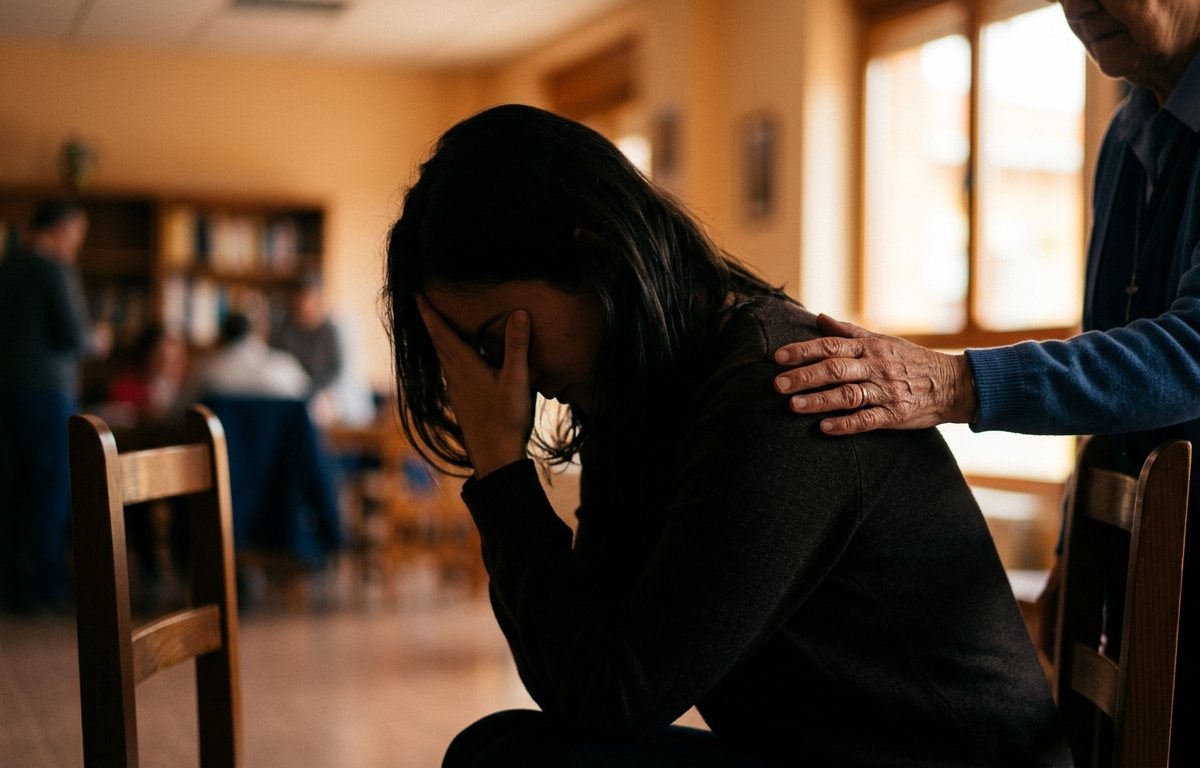
On the other hand, the serious problems that women who undergo this procedure will suffer are not mentioned (and it bothers those who are blind to reality that others do so). Why isn’t post-abortion and post-traumatic stress discussed? Because it’s essential to consider them. There’s a part of the process that doesn’t end at the abortion clinic. It doesn’t all end, as some would have you believe, when you cross the threshold into the street, having left behind the remains of a living being. After convincing them to have abortions, after rolling out the red carpet for them to let their children die, those who could have been mothers are left to their own devices. And for the rest of their lives, they will have to carry the scar etched deep within their being that, for whatever reasons, they made such a cruel decision at some point.
Therefore, let us not abandon this fight for life, because when an unborn child dies, we too die as a civilization, for the protection of life is its foundation. By eliminating the innocent through abortion and justifying such a crime, we allow our deepest values to perish. Every human being is unique and irreplaceable. Let us defend them. If the existence of a puppy is worth more than a human life, what can we expect? Let us recall the words of Saint Teresa of Calcutta on the consequences of this tragedy: “I believe that the greatest destroyer of peace today is abortion. For Jesus said, ‘If you receive the little ones, you receive me.’ So every abortion is a refusal to receive Jesus, it is the contempt of receiving Jesus. It is truly a war against children to directly kill an innocent child, murdered by its own mother” […]. “If we accept that a mother can murder her own child, how can we tell others not to kill one another?” “A country that accepts abortion doesn’t teach its people to love, but rather to use violence to get what they want. This is why the greatest destroyer of love and peace is abortion.” Nothing more needs to be said.

Isabel Orellana
Isabel Orellana Vilches Misionera idente. Doctora en Filosofía por la Universidad Autónoma de Barcelona con la tesis Realismo y progreso científico en la epistemología popperiana. Ha cursado estudios de teología en la Universidad Pontificia de Salamanca. Con amplia actividad docente desde 1986, ha publicado libros como: Realismo y progreso científico en la epistemología popperiana, Universitat Autònoma de Barcelona, 1993; El evangelio habla a los jóvenes, Atenas, Madrid, 1997; Qué es... LA TOLERANCIA, Paulinas, Madrid, 1999; Pedagogía del dolor. Ensayo antropológico, Palabra, Madrid, 1999; En colaboración con Enrique Rivera de Ventosa (†) OFM. Cap. San Francisco de Asís y Fernando Rielo: Convergencias. Respuestas desde la fe a los interrogantes del hombre de hoy, Universidad Pontificia, Salamanca, 2001; La "mirada" del cine. Recursos didácticos del séptimo arte. Librería Cervantes, Salamanca, 2001; Paradojas de la convivencia, San Pablo, Madrid, 2002; En la Universidad Técnica Particular de Loja, Ecuador, ha publicado: La confianza. El arte de amar, 2002; Educar para la responsabilidad, 2003; Apuntes de ética en Karl R. Popper, 2003; De soledades y comunicación, 2005; Yo educo; tú respondes, 2008; Humanismo y fe en un crisol de culturas, 2008; Repensar lo cotidiano, 2008; Convivir: un constante desafío, 2009; La lógica del amor, 2010; El dolor del amor. Apuntes sobre la enfermedad y el dolor en relación con la virtud heroica, el martirio y la vida santa. Seminario Diocesano de Málaga, 2006 y Universidad Técnica Particular de Loja, Ecuador (2007). Cuenta con numerosas colaboraciones en obras colectivas, así como relatos, cuentos, fábula y novela juvenil, además de artículos de temática científica, pedagógica y espiritual, que viene publicando en distintas revistas nacionales e internacionales. En 2012 culminó el santoral Llamados a ser santos y poco más tarde Epopeyas de amor prologado por mons. Fernando Sebastián. Es la biógrafa oficial del fundador de su familia espiritual, autora de Fernando Rielo Pardal. Fundador de los Misioneros Identes, Desclée de Brouwer, Bilbao, 2009. Culmina la biografía completa. Encargada del santoral de ZENIT desde 2012 a 2020 y ahora en Exaudi
Related
Gratitude as a Spiritual Discipline: How to Transform Daily Complaints into Prayers of Thanksgiving
Patricia Jiménez Ramírez
08 April, 2026
5 min
Pope Leo XIV’s First Holy Week: A Call to Light, Hope, and Peace in a World of Darkness
Valentina Alazraki
07 April, 2026
4 min

Living with Meaning and Purpose
María José Calvo
07 April, 2026
4 min
The “steps” that EASTER asks of us all
Mario J. Paredes
04 April, 2026
4 min